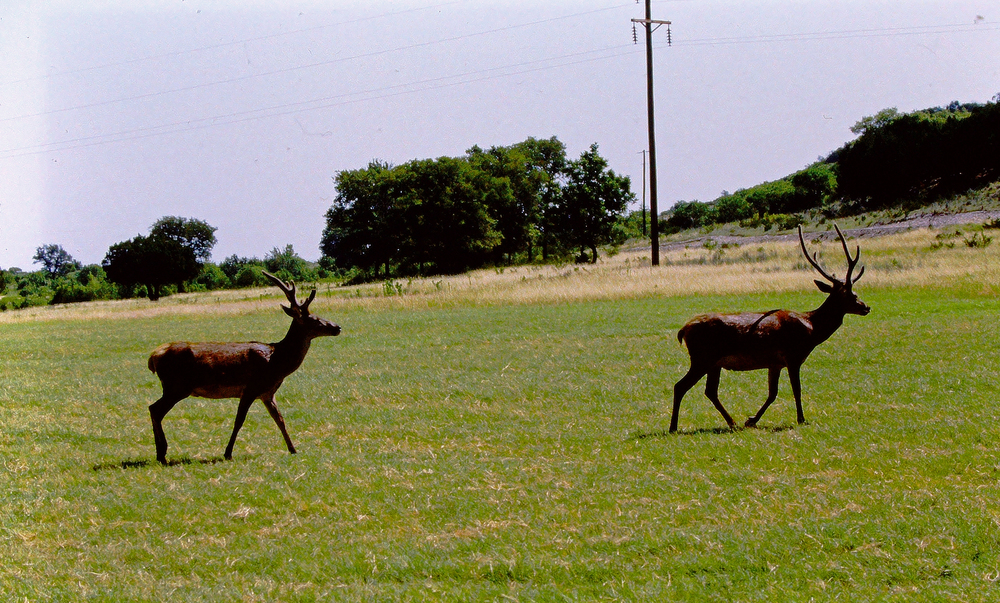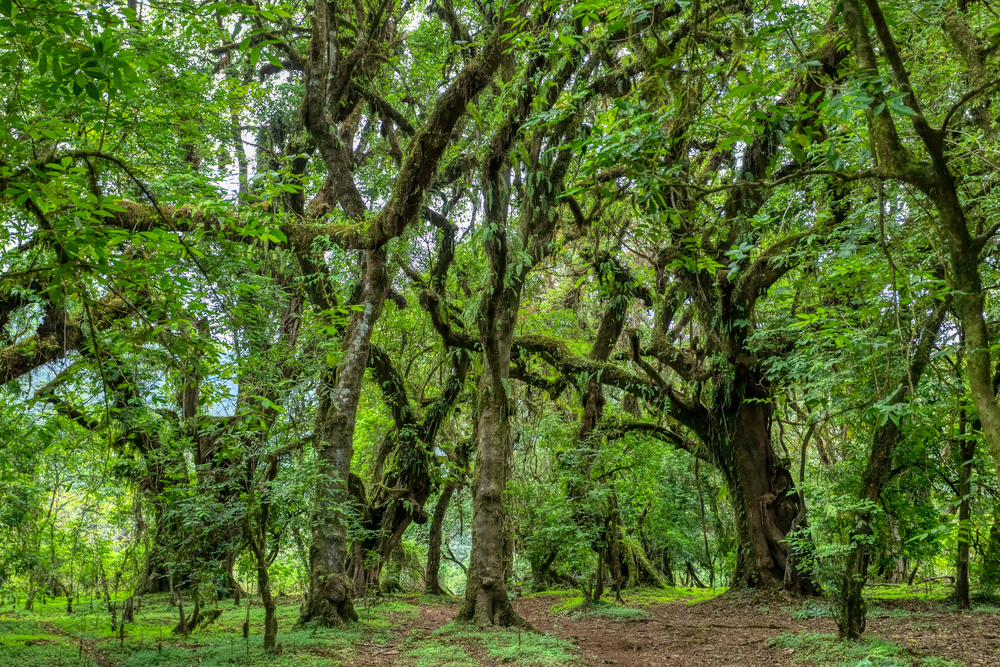
A couple of years ago, The Optimist Daily wrote about a surprisingly positive outcome of the 1986 Chernobyl nuclear disaster in northern Ukraine— the rewilding of the territory.
As an update, we are happy to report that endangered animals are still thriving there, including the Przewalski’s horse, which for decades has been considered the last truly wild horse left in existence. In the 1970s the species was almost pronounced extinct, however now that humans have been absent from the area for 35 years, the Przewalski’s horse population, among other species, is free to flourish in this unexpected wild territory.
Fortunately for the wildlife that now lives undisturbed in the area around Chernobyl, Ukrainian authorities believe that the region will not be inhabitable by humans for another 24,000 years. In the meantime, Chernobyl offers a singular opportunity for researchers and scientists to conduct radioecological research and to study the conservation of biological diversity. The flourishing wildlife is a small silver lining in the wake of this tragic ecological disaster.