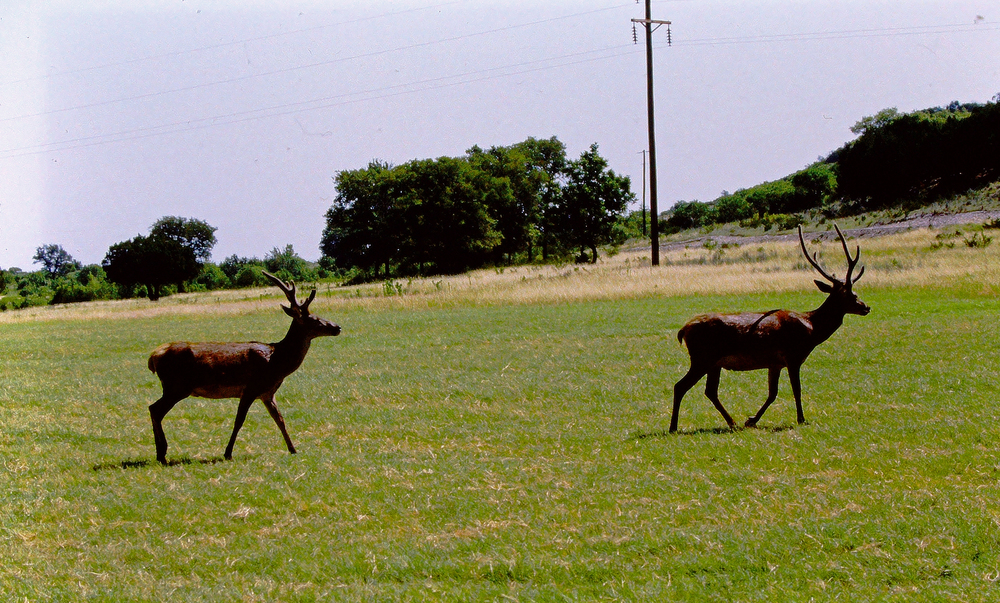
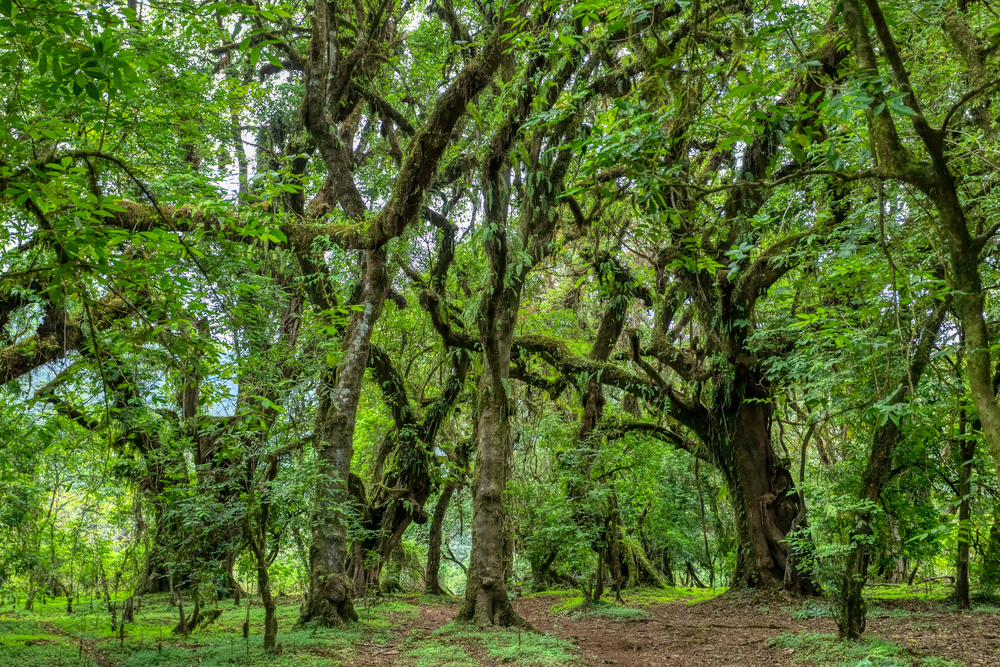
The Chernobyl nuclear disaster is looking more and more like a blessing in disguise. Why? Because the massive disaster zone is teeming with rare and endangered wildlife now that humans have been gone for more than 30 years.
In 1986, the Chernobyl Nuclear Power Plant in northern Ukraine released 400 times more radioactive material that was released by the bombing of Hiroshima, making large swaths of surrounding areas unsafe for human habitation. Prior to the accident, the region was the home to some 120,000 people living in the cities of Chernobyl and Pripyat. Now with just a few handfuls of human holdouts, the ghost towns and outskirts are enjoying the most ironic of comebacks – wildlife is flourishing in the absence of mankind.
Amongst the many different animals, you can now find there are European brown bears, gray wolves, lynx, and the very rare Przewalski’s horse. The flourishing of nature has become so pronounced that Belarus has even started offering wildlife tours. For humans visiting the area, the radiation levels are said to be less than one would be exposed to on a transatlantic flight—meaning it’s rather safe.
We can without a doubt say the Chernobyl disaster was a grim point in history, but at a time where wildlife habitats are more threatened than ever, it’s beautiful to know that rare animals are making a comeback in the disaster zone.