


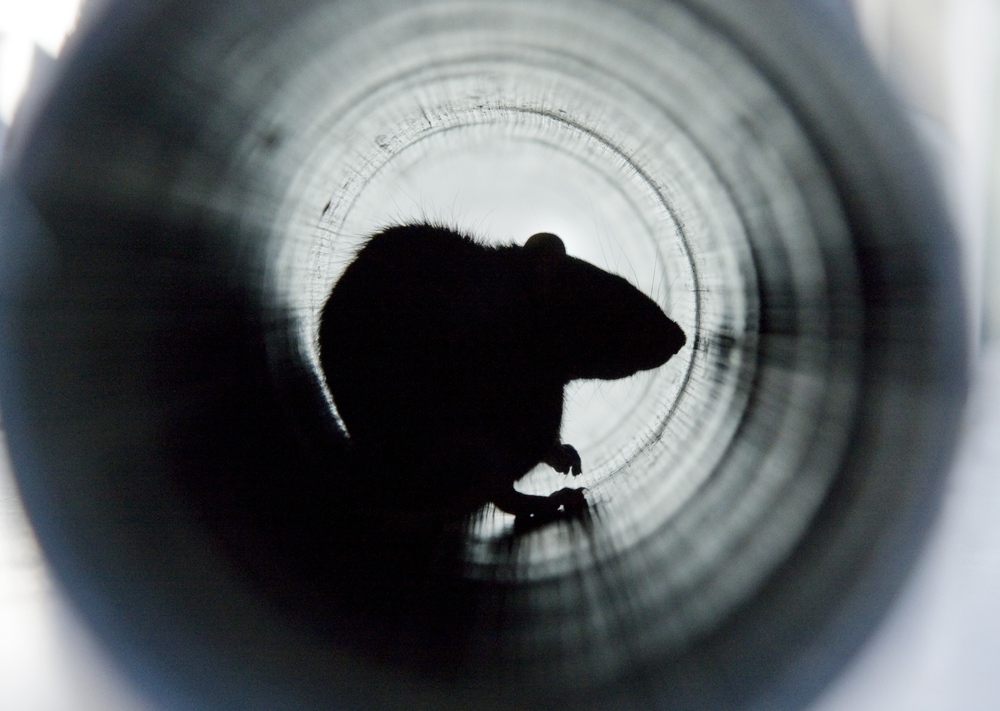
It’s not often that we hold rats in high regard, but we can certainly make an exception for Magawa, the humble, explosive-sniffing rodent that’s responsible for saving countless lives.
Magawa is a Gambian pouched rat, which is quite large compared to North American rats. Gambian rats are native to sub-Saharan Africa and can grow up to three feet long from nose to tail. They are quite agreeable in nature and are often kept as pets.
Gambian rats have poor eyesight, not unlike other rodents, but they have a sensational sense of smell. Magawa was trained to harness this natural ability by the trainers at the Belgian nonprofit APOPO, who taught him how to sniff out military-grade explosives.
During his five-year career from 2016 to 2021, Magawa worked as a living sensor, leading his handlers to more than 100 un-exploded weapons that were buried in the Cambodian countryside. During times of war, militaries would plant landmines in fields that were meant to slow down the advance of enemy forces, but once the battle is over, the landmines are a challenge to clean up as armies often don’t have close records of their locations. This puts civilians who happen to be passing through these fields at risk of serious injury or even death.
In Cambodia alone, experts estimate that military forces left behind approximately four to six million idle land mines at the end of the Cambodian Civil War. These abandoned landmines and other explosives killed 19,789 Cambodians and injured 45,102 more between the years 1979 and 2020.
Magawa was able to help clear 225,000 square meters of land, amounting to 71 landmines and 38 other unexploded devices. In September of last year, the People’s Dispensary for Sick Animals bestowed Magawa a gold medal for his services.
Magawa is now seven years old, which is at the higher end of the average life expectancy of a Gambian pouched rat (between six to eight years). A new generation of rats is in place to take over this valiant work, but Magawa’s efforts will never be forgotten. Join us in wishing him a relaxing and well-deserved retirement.






