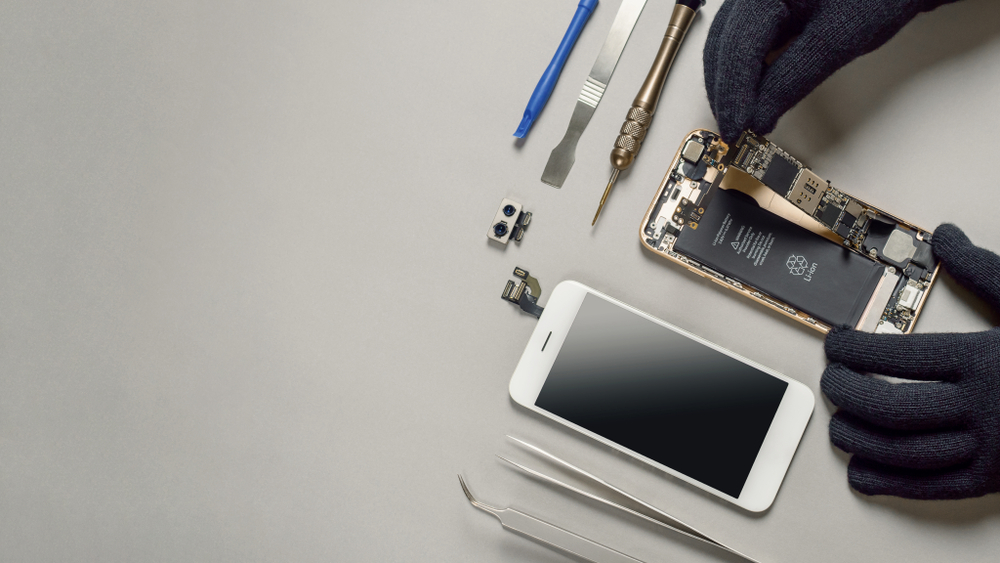
On September 12th, the California state Assembly passed Senate Bill 244 with a unanimous 50-0 vote, marking a historic milestone for the right-to-repair movement. This historic measure, which was also approved with an amazing 38-0 vote in the California Senate in May, now needs a final concurrence vote in the Senate before reaching Governor Gavin Newsom’s desk.
California joins Minnesota and New York as the third state to pass right-to-repair legislation. However, California’s measure differs in that it requires corporations to offer access to repair resources like parts, tools, documentation, and software for a longer period of time. This commitment lasts three years for products priced between $50 and $99.99 and seven years for those priced at $100 or higher. The act applies to gadgets and appliances made after July 1, 2021.
California sets the standard
While California is not the first state to support the right-to-repair campaign, its importance cannot be overstated. As the home of many Big Tech businesses and one of the most populous states in the United States, California frequently sets the tone for legislative trends that spread across the country.
Kyle Wiens, CEO of iFixit, a staunch advocate for the right to repair, emphasizes the importance of this victory in a statement: “Accessible, affordable, widely available repair benefits everyone. Since Right to Repair can pass here, expect it to be on its way to a backyard near you.”
Apple’s U-turn and the path ahead
Notably, Apple recently made waves by publicly endorsing California’s right-to-repair bill, reversing years of opposition to repair rights. This change of attitude is consistent with a broader trend in which regulators are putting pressure on digital behemoths like Apple to be more repair-friendly. European regulations, for example, persuaded Apple to integrate USB-C in its most recent iPhone 15. Apple’s renewed commitment to repairability was highlighted during the Wonderlust event on September 12th, just hours before SB 244 was passed.
Nathan Proctor, senior director of the Public Interest Research Group’s right-to-repair campaign, recognizes this movement but cautions that there is more work to be done: “That’s good news, because as important as this legislation is, we have more to do if we want a more sustainable relationship with the electronics that power our modern lives.”
While the path to complete right-to-repair legislation is not without problems and roadblocks, the success of SB 244 in California is a monument to the power of lobbying, a portent of change in an industry where repairability is becoming a fundamental part of the debate. All three bills are planned to go into effect in 2024, with New York’s coming first in January, followed by Minnesota’s and California’s in July, promising a brighter future for consumers and the environment alike.