California is pioneering a daring strategy of turning sewage into safe, potable water in response to the severe concerns of water scarcity exacerbated by climate change. The State Water Resources Control Board approved laws that allow treated wastewater to flow straight into Californians’ taps, marking a significant step toward ensuring water supplies in the state’s drought-prone state.
Taking on water scarcity head-on
“This decision positions California with the most advanced standards for treating wastewater, meeting or surpassing current drinking water standards,” remarked E. Joaquin Esquivel, chair of the board, emphasizing the significance of this development. After extensive discussions and meeting a six-year deadline, the unanimous approval of these regulations last month heralds a crucial milestone in water reuse initiatives.
The refined method: ensuring safety and purity
Stringent safety measures demand a multi-step treatment process for recycled water under these new regulations. The detailed 62-page document explains a thorough method that includes three unique treatment phases as well as rigorous pathogen monitoring.
According to the document, the treatment includes an innovative approach incorporating an “ozonation process,” biologically activated carbon addition, reverse osmosis, and advanced oxidation. This ensures not just safety but purity, surpassing many existing drinking water sources, as affirmed by Esquivel: “These regulations ensure that the water produced is not only safe but purer than many drinking water sources we now rely on.”
Reduced scarcity and environmental impact
While the policy does not require direct potable reuse, it does allow water providers to do it, encouraging resource conservation and minimizing trash discharged into natural waterways. Governor Gavin Newsom’s recommendations for water recycling standards, which are expected to cost $27 billion by 2040, reflect a proactive approach in the face of California’s severe droughts, heat waves, and disastrous wildfires.
The Metropolitan Water District of Southern California has already begun a major water recycling project, suggesting a greater commitment to long-term water solutions.
Embracing ideas from around the world
This resourceful method is inspired by worldwide pioneers. Windhoek, Namibia, pioneered wastewater recycling more than three decades ago, setting a precedent for water-stressed areas around the world. Similarly, Singapore has a large filtration system that treats large amounts of water, demonstrating the practicality of recycling even for drinking reasons.
Overcoming initial doubts: a global revolution
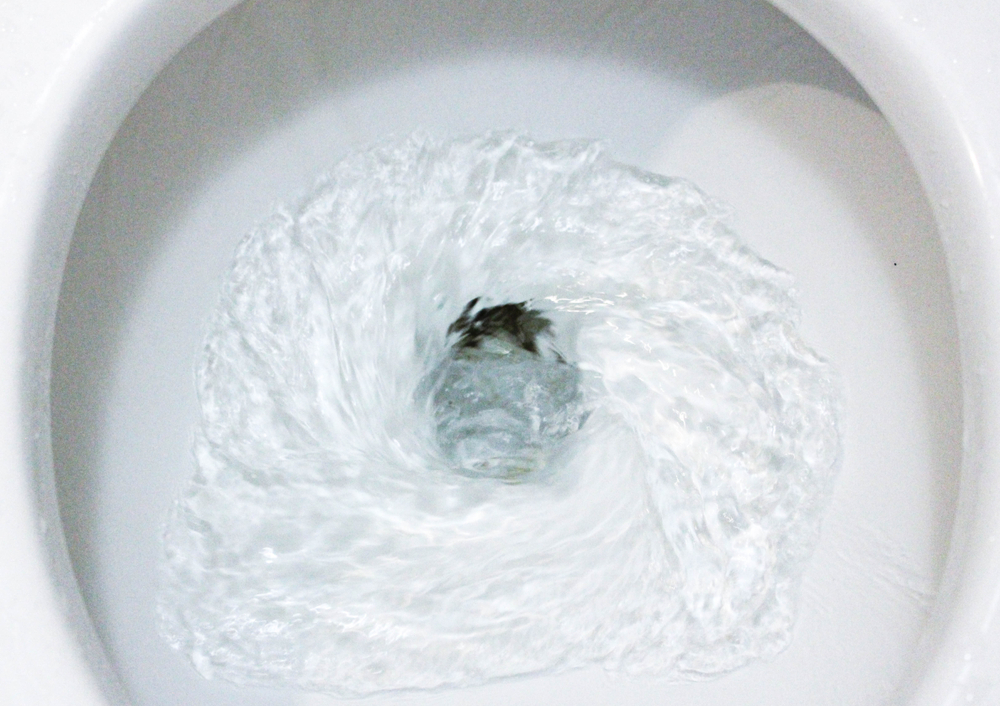
California’s progress reflects a global trend of gradually adopting recovered wastewater solutions. Similar initiatives, previously termed “toilet to tap” in the 1990s, are gaining popularity overseas. Despite initial criticism, such technologies are being adopted in Texas and Colorado in the United States, as well as in the United Kingdom. As attitudes shift, there is a rising realization of the importance of adopting new measures to ensure water security.
California’s shift toward direct potable reuse marks a water scarcity watershed moment. A proactive approach is shown in the combination of tough standards, innovative treatment procedures, and a dedication to sustainability. As Esquivel succinctly puts it, “This is an exciting development in the state’s ongoing efforts to find innovative solutions to the challenges of extreme weather driven by climate change.”
California is not only tapping into wastewater but also into a sustainable and resilient future in which access to clean water is no longer distributed as a luxury but treated as a fundamental human right.