BY THE OPTIMIST DAILY EDITORIAL TEAM
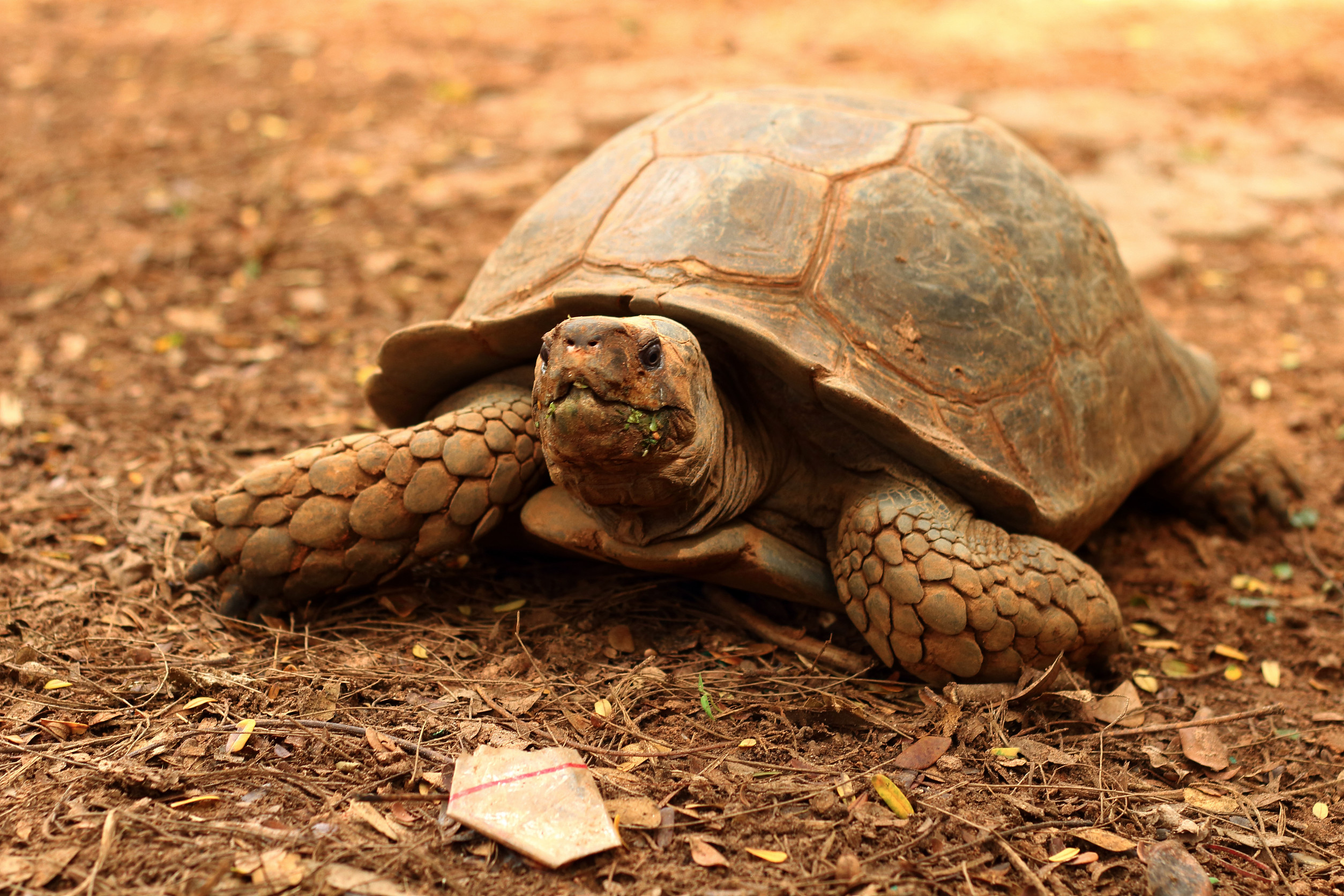
At the Philadelphia Zoo, a century-old resident named Mommy is celebrating a remarkable milestone—and not just because she’s turning 100. For the first time in her long life, this Western Santa Cruz Galapagos tortoise has become a mother, and her four hatchlings represent a major leap forward for conservation.
The zoo announced the exciting news this spring: four critically endangered Galapagos tortoises have successfully hatched, marking the first time the species has reproduced at the zoo. Mommy’s achievement is not only a first for her but a significant success for the species’ survival in U.S. zoos, where only 44 Western Santa Cruz Galapagos tortoises were living prior to the hatchlings’ arrival.
“Anyone that has visited the Zoo for the last 92 years has likely seen her,” said Dr. Jo-Elle Mogerman, Philadelphia Zoo President and CEO. Mommy arrived at the zoo back in 1932 and has been a familiar face—and shell—to generations of visitors.
A plan decades in the making
The births are part of a larger effort led by the Association of Zoos and Aquariums (AZA) through its Species Survival Plan (SSP). In 2020, the program recommended that a male tortoise named Abrazzo be sent to Philadelphia as a breeding partner for Mommy. That careful matchmaking has now paid off.
Of the 16 eggs Mommy laid, eight were incubated at temperatures designed to produce females (above 85.1°F) and eight for males (below 82.4°F). The four that have hatched so far are all female—an intentional choice to support future population growth.
The hatchlings, which each weigh between 70 and 80 grams, are healthy and already eating. The first one emerged on February 27, and more may still be on the way, as Galapagos tortoise eggs can take up to eight months to hatch.
A hopeful future for tortoise conservation
Lauren Augustine, director of herpetology and birds at the zoo, emphasized the importance of the moment: “Until now, Mommy’s genes were not represented in the AZA population, making these offspring extremely important in the protection of this species.”
The achievement is resonating beyond Philadelphia. Ashley Ortega at Gladys Porter Zoo in Texas called it a breakthrough. “We are excited to learn more about how we can replicate this success at other accredited zoos since the team in Philly has accomplished something that was seemingly impossible.”
The hatchlings will remain at the Philadelphia Zoo for at least five years, giving visitors a chance to witness this conservation success story up close. The public debut is set for April 23, which fittingly coincides with the 93rd anniversary of Mommy’s arrival.
In the meantime, the zoo invites the public to help name the hatchlings through its website. It’s a fitting way to celebrate a feel-good moment that reminds us how care, planning, and a little patience can help restore what once seemed lost.