BY THE OPTIMIST DAILY EDITORIAL TEAM
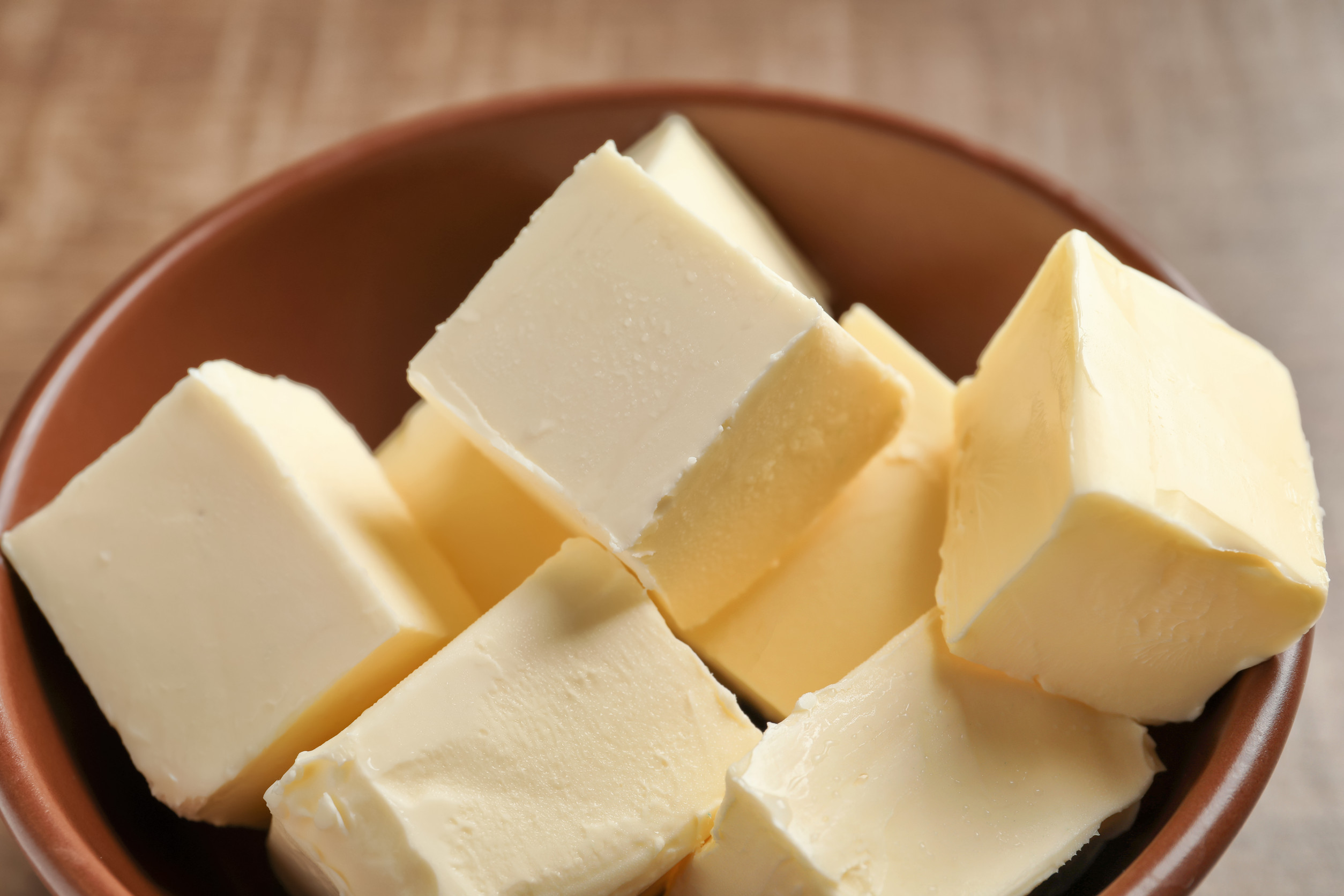
Imagine this: you reach for your morning toast, swipe on a glossy, golden spread, and savor that creamy richness. But surprise — there were no cows, no crops, and definitely no pastures involved. Welcome to the era of butter made from air.
This culinary curveball is brought to you by Savor, a California-based startup that’s turning heads (and taste buds) with its carbon-crafted butter. By combining carbon dioxide, hydrogen, and oxygen through a high-tech thermochemical process, Savor has created a butter alternative that’s molecularly identical to the real deal. According to early testers, tastes just like it too.
“We’re not talking margarine here,” said Brian Wood, owner of Starter Bakery in Berkeley, California, who’s already using the product in his croissants. “The texture is just right, and people are loving it.”
The chemistry of creaminess
So how does air become butter? It all starts with CO₂ captured from the atmosphere, paired with hydrogen extracted from water. These elements undergo a controlled reaction under high heat and pressure to produce alkanes, which are simple carbon chains. Once oxidized into fatty acids, these compounds are then reassembled into triglycerides, the foundational building blocks of fats and oils.
By carefully controlling this process, Savor can engineer fats that match the texture, taste, and performance of traditional dairy butter — minus the moo.
And they’re not stopping at butter. With backing from none other than Bill Gates, Savor is also working on dairy-free versions of ice cream, cheese, and milk.
Why this matters: the carbon cost of comfort food
Traditional butter may be delicious, but it comes at a high environmental cost. The carbon footprint of dairy butter ranges from 5.2 to 14.7 kilograms of CO₂ equivalent per kilogram of product, depending on fat content and packaging.
Savor’s butter? It clocks in at less than 0.8 grams of CO₂ emissions per kilogram. That’s not just a reduction. It’s a revolution.
And there’s more: no grazing land, no deforestation, and no gallons of water needed for livestock. Savor’s process skips the agricultural middlemen entirely, offering a radically efficient and climate-friendly alternative.
From lab to loaf: where it stands now
Currently, Savor’s air-butter is available to select partners, including restaurants and bakeries. Interest is bubbling; even Michelin-star chefs are getting curious. And because it behaves like dairy butter in cooking and baking, it offers a seamless swap for chefs and home cooks alike.
Still, challenges remain. Scaling up production to meet demand won’t be easy, and Savor is navigating the complex web of food safety regulations to bring its product to market.
Then there’s the hurdle of public perception. “Lab-made” foods often come with a side of skepticism, even when the science is sound. Savor will need to lead with transparency, and maybe a few taste tests, to win over wary consumers.
Health is also on the radar. While Savor’s butter is chemically the same as traditional butter, long-term studies will be needed to evaluate the effects of lab-made fats over time. In the meantime, ingredient transparency and production integrity will be key to building trust.
What’s next for butter 2.0?
If Savor succeeds, we may be witnessing the beginning of a food revolution, one where creamy indulgence doesn’t come at the climate’s expense. A butter born from air might sound like science fiction, but it’s fast becoming a very real part of the future.
As the company prepares for wider distribution, it’s clear that Savor isn’t just churning out butter. It’s churning out possibilities.