BY THE OPTIMIST DAILY EDITORIAL TEAM
Fighting malaria has always been a game of adaptation. As mosquitoes evolve resistance to insecticides and Plasmodium parasites dodge existing drugs, scientists have been racing to find smarter solutions. Now, a team from the University of California, San Diego (UCSD) and Johns Hopkins University may have made a breakthrough: a simple genetic edit that could stop the disease in its tracks.
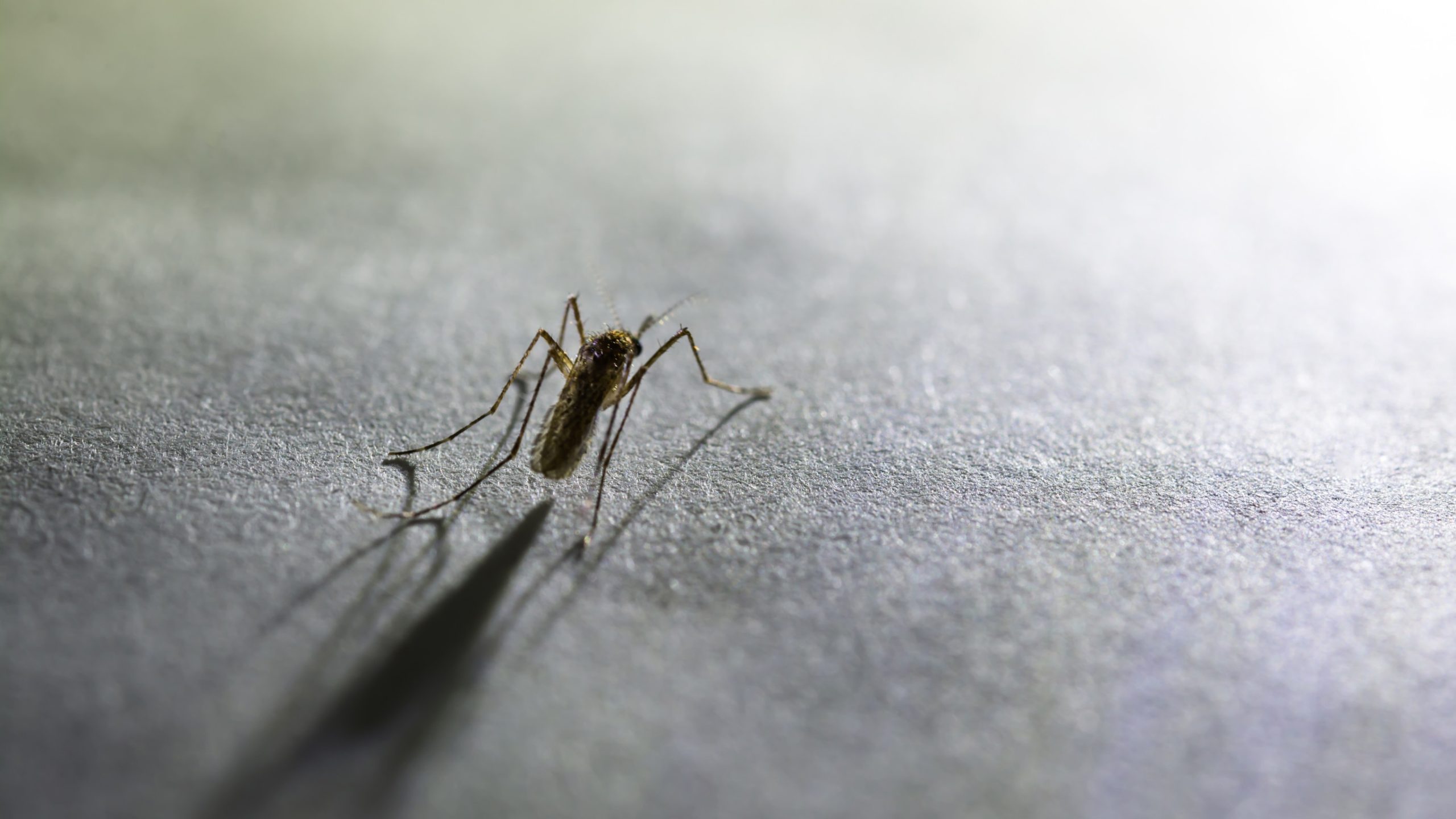
Using CRISPR-Cas9 gene-editing technology, researchers introduced a naturally occurring variation into mosquitoes, effectively making them immune to malaria infection. Their study, published in Nature, reveals a promising new method for rendering mosquitoes inhospitable to both major human malaria parasites, Plasmodium falciparum and Plasmodium vivax.
How one amino acid makes all the difference
At the center of this innovation is a mosquito protein called Fibrinogen-related protein 1, or FREP1. This protein, which plays an essential role in mosquito physiology, also unwittingly helps malaria parasites make their way from the mosquito’s gut to its salivary glands, the final step before human infection.
Previous studies had identified a variant of the FREP1 gene that seemed to block this process. So UCSD biologist Ethan Bier and his colleagues decided to see what would happen if they replaced the most common form of FREP1 (one that includes the amino acid leucine at position 224) with a naturally occurring version that swaps in glutamine instead.
That one-letter substitution had big effects. Mosquitoes with the altered FREP1 gene (Q224) showed strong resistance to infection from both P. falciparum and P. vivax parasites, effectively cutting off malaria transmission without harming the mosquitoes themselves.
The phantom gene drive
What makes this strategy especially clever is how it spreads through mosquito populations. Rather than using a traditional gene drive, a genetic hack that forces an entire gene to spread rapidly and persist indefinitely, the researchers created what they call a “phantom” allelic drive. This more subtle version nudges the natural Q224 variant into the population but allows it to fade over time.
“You can insert the cassette in a gene where it incurs a fitness cost, and when you do that, over time it disappears,” Bier explained. In other words, the edit can work its magic while it’s needed, but won’t permanently alter wild populations. This reduces the risk of long-term ecological consequences, which has been one of the chief criticisms of gene drive technologies.
The concept isn’t entirely new. Bier’s team has previously used a similar method to “re-wild” pesticide-resistant fruit flies. But this is the first time such an approach has shown strong promise against malaria.
A new ally in the global fight
Though the gene tweak is powerful, Bier stressed that it’s not a silver bullet. The strategy is meant to complement, not replace, existing malaria interventions. “The idea is to use them in combination with what’s out there in terms of the standard vector control mechanisms and have that whole package hopefully work together,” he said.
Other experts are taking note. Maciej Maselko, a mosquito genetics researcher at Macquarie University who was not involved in the study, called the approach “a promising path toward modifying wild mosquito populations.” He added that with global public health funding under pressure, cost-effective and scalable solutions like this one are urgently needed.
The next step? Field trials to test the approach in real-world settings. If successful, this microscopic tweak could help rewrite the story of one of humanity’s oldest and deadliest foes.