BY THE OPTIMIST DAILY EDITORIAL TEAM
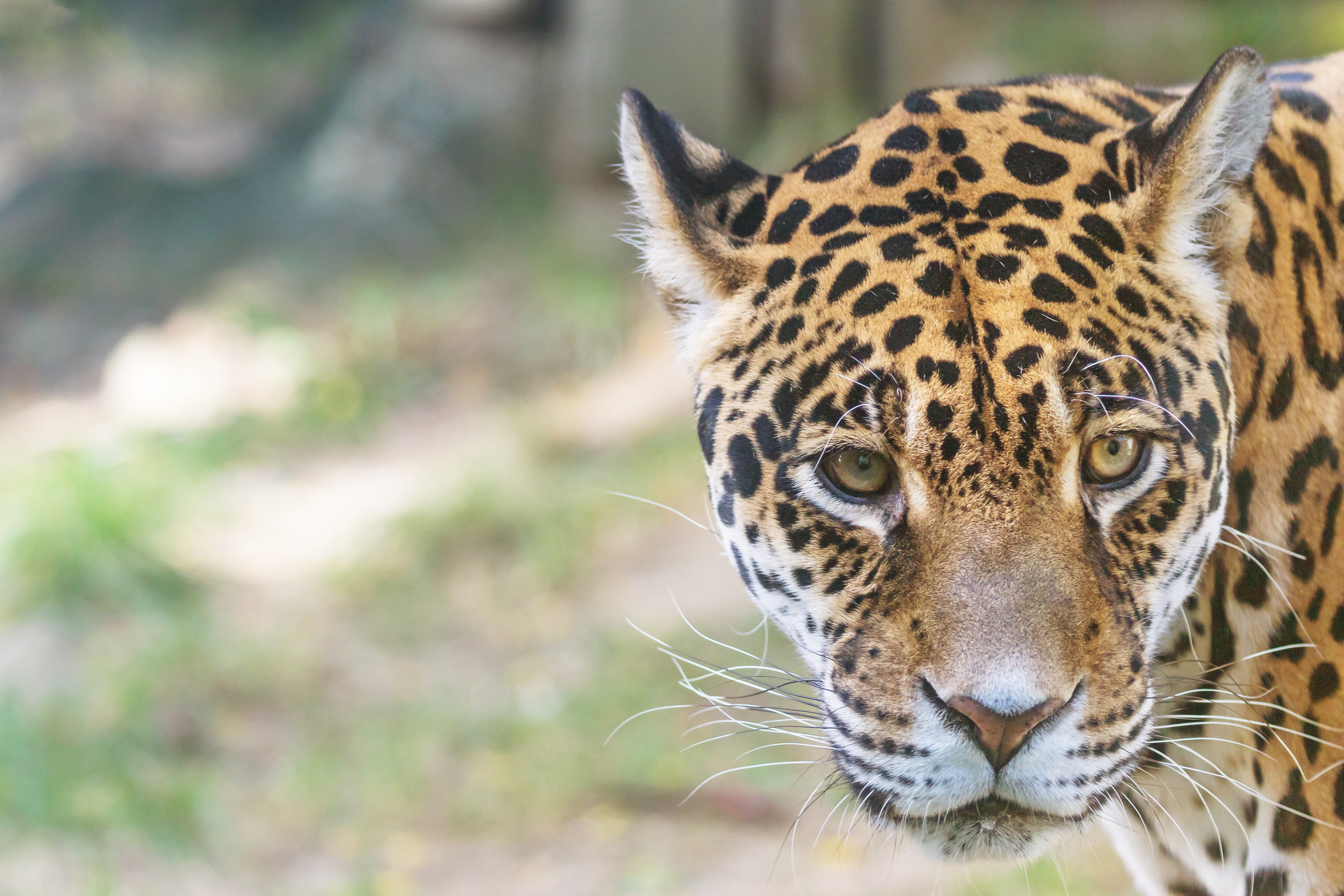
Good news for the jaguar, a species often teetering on the edge of survival: Mexico has just recorded a 30 percent increase in its population since 2010. From 4,100 individuals to 5,326 today, this remarkable rebound is the result of years of coordinated conservation work, and a hopeful sign for biodiversity in the country.
Counting the cats
The latest census, carried out in 2024 by the National Alliance for Jaguar Conservation (ANCJ), spanned 90 days across 15 states. Using 920 motion-sensor cameras and the help of nearly 50 researchers plus community leaders, the team surveyed more than 414,000 hectares. It was the largest mammal census in Mexico’s history.
The Yucatán peninsula turned out to be jaguar central, with 1,699 spotted, followed by the south Pacific (1,541), northeast and central regions (813), the north Pacific (733), and the central Pacific coast (540).
“It’s extraordinary that the country has managed to maintain and increase its jaguar population over the last 14 years,” said Gerardo Ceballos, a leading researcher on the project. “Mexico and the world need good news.”
What’s behind the rebound
Ceballos credits three main strategies: protecting natural areas, reducing conflict between jaguars and cattle ranchers, and boosting public awareness of the species. “Before, the jaguar was virtually unknown,” he explained. “Now it’s one of the most recognized animals in Mexico.”
Community-led programs have also played a big role. By working with ranchers to prevent livestock losses, conservationists have reduced retaliatory killings. At the same time, campaigns celebrating the jaguar as a national symbol have helped shift public perception from fear to pride.
Challenges still on the horizon
Despite the gains, experts caution that jaguars in Mexico remain at risk. Habitat loss is the biggest threat: the country has lost 600,000 hectares of forest and jungle in the last six years, including 60,000 hectares annually in the Yucatán alone.
Illegal trade is another hurdle. Jaguar teeth, claws, and skins still circulate on online marketplaces. Ceballos says collaborating with tech companies to remove such content will be key.
Then there’s infrastructure. New highways not only fragment jaguar territory but also increase the risk of road deaths. Wildlife crossings could help mitigate this. Meanwhile, diseases transmitted from domestic animals continue to endanger wild populations.
A fight worth continuing
At the current growth rate, jaguars in Mexico could remain vulnerable for decades. But Ceballos and his colleagues believe that with enough funding, stronger policy, and continued collaboration between scientists, communities, and landowners, the recovery timeline could be cut in half.
“We are winning a battle in a war that is being lost,” Ceballos reflected. “But it is a very important battle. It gives us hope that if we articulate the right policies, we can achieve great results.”