BY THE OPTIMIST DAILY EDITORIAL TEAM
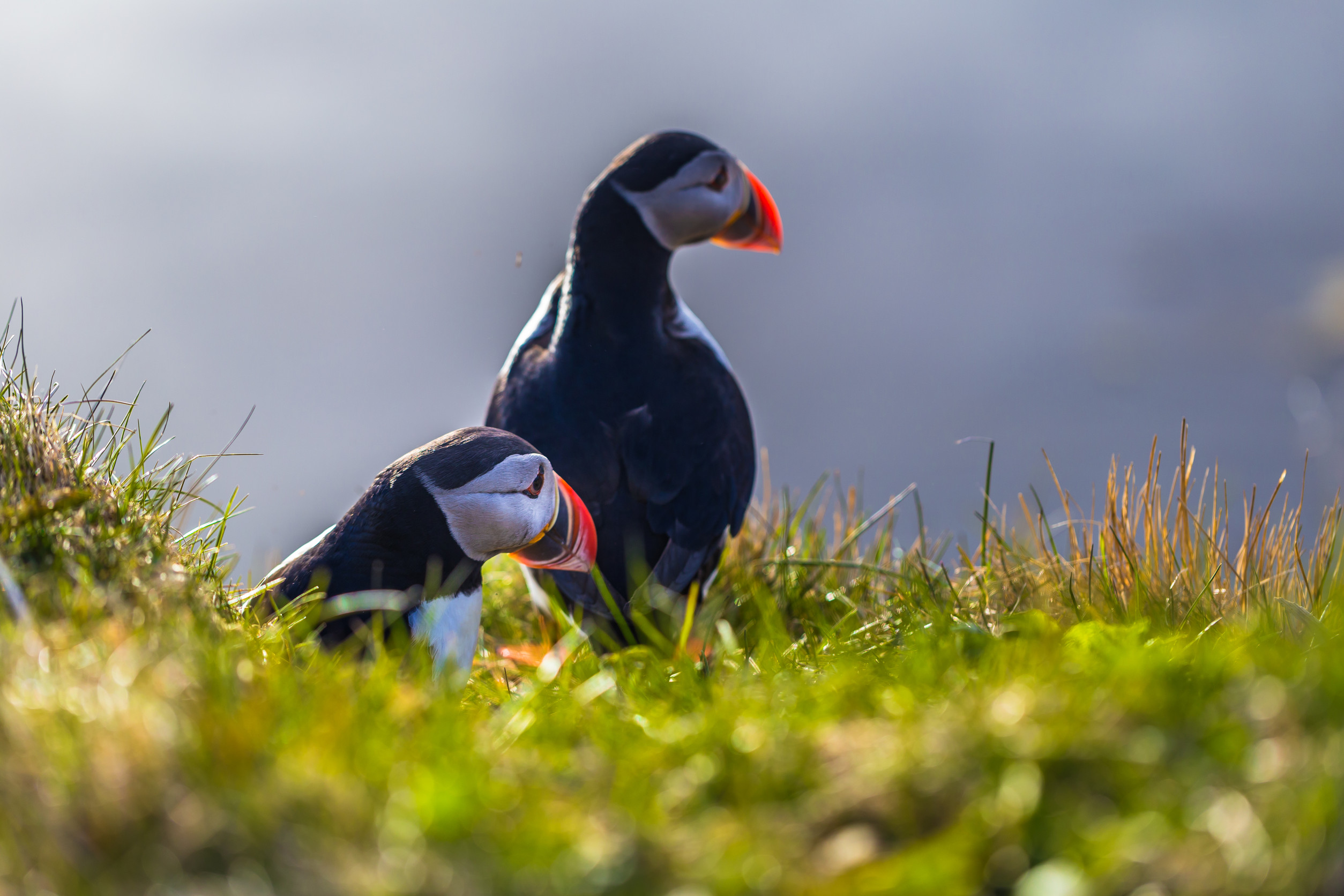
For the first time in at least a quarter century, puffins have appeared on the Isle of Muck in County Antrim, Northern Ireland. This triumphant return is a milestone conservationists are calling a powerful sign of recovery. The tiny island, managed by Ulster Wildlife as a protected seabird sanctuary, had not seen evidence of puffin breeding since the charity began overseeing the site 25 years ago.
Their return follows years of determined restoration work. Invasive brown rats, notorious predators of eggs and chicks, were removed through an eradication program launched in 2017. The team also introduced winter grazing to keep vegetation low, limiting cover for predators.
Andy Crory, Ulster Wildlife’s nature reserves manager, summed up the significance of the moment: “Seabird restoration works.” For him, the return of puffins, once spoken of only in local lore, marks a turning point. “Tales of puffins once breeding on the Isle of Muck felt more like folklore,” he said. “So, while a handful of puffins on a tiny island may seem small, this moment is huge.”
First signs of renewal
The first encouraging glimpse came in 2024, when five puffins were spotted near the island. The evidence grew even stronger this spring. Cameras installed for the rat eradication project captured two puffins repeatedly entering and leaving a nesting burrow on the cliff ledges.
Even more promising was their behavior. The birds were bringing food back to the burrow, a hopeful sign they were rearing a chick. While researchers cannot yet confirm whether they successfully fledged a young “puffling,” Crory remains optimistic.
“Our hope is that the Isle of Muck will become a thriving stronghold for puffins and, in time, tempt back other lost species like the Manx shearwater,” he said. “For now, we’re waiting with great excitement to see if the first ‘pufflings’ appear on the cliffs next summer. That truly would be the icing on the cake.”
A broader comeback for seabirds
The puffins’ resurgence is part of a larger pattern. Annual surveys are already showing increases in other seabird species on and around the island, including eider ducks, guillemots, herring gulls, and lesser black-backed gulls.
The success on the Isle of Muck mirrors restoration efforts elsewhere. Across the UK, rat removal programs have helped boost seabird populations under threat from invasive predators. On Rathlin Island, the LIFE Raft project is expected to confirm the successful eradication of rats in its upcoming report. In a world-first achievement, ferrets have also been removed from the island.
Why puffins matter
Puffins are a priority species in Northern Ireland and red-listed in the UK, the highest category of conservation concern. Their decline has been driven by food shortages, shifting ocean conditions linked to climate change, and predation by invasive species.
Unlike many seabirds, puffins spend most of their lives at sea, only returning to land to nest in spring and summer. They are fiercely loyal to their nesting sites and to each other, returning to the same burrow with the same partner year after year. Each pair raises only one chick per breeding season, making every successful nest vitally important.
A sanctuary with a future
Because the Isle of Muck is closed to the public, conservationists hope the birds will have a safe, undisturbed breeding season next year. As the restoration work continues to unfold, the puffins’ return stands as a reminder of what is possible when ecosystems are given the chance to heal.
From a handful of sightings to the possibility of newborn pufflings, the island’s recovery underscores a simple truth: small interventions can unlock big changes, even for some of the world’s most vulnerable seabirds.
Correction: A quick note for clarity! This story is about the Isle of Muck in Northern Ireland, not the island of the same name in Scotland’s Inner Hebrides. Thanks to the reader who spotted this and let us know.