BY THE OPTIMIST DAILY EDITORIAL TEAM
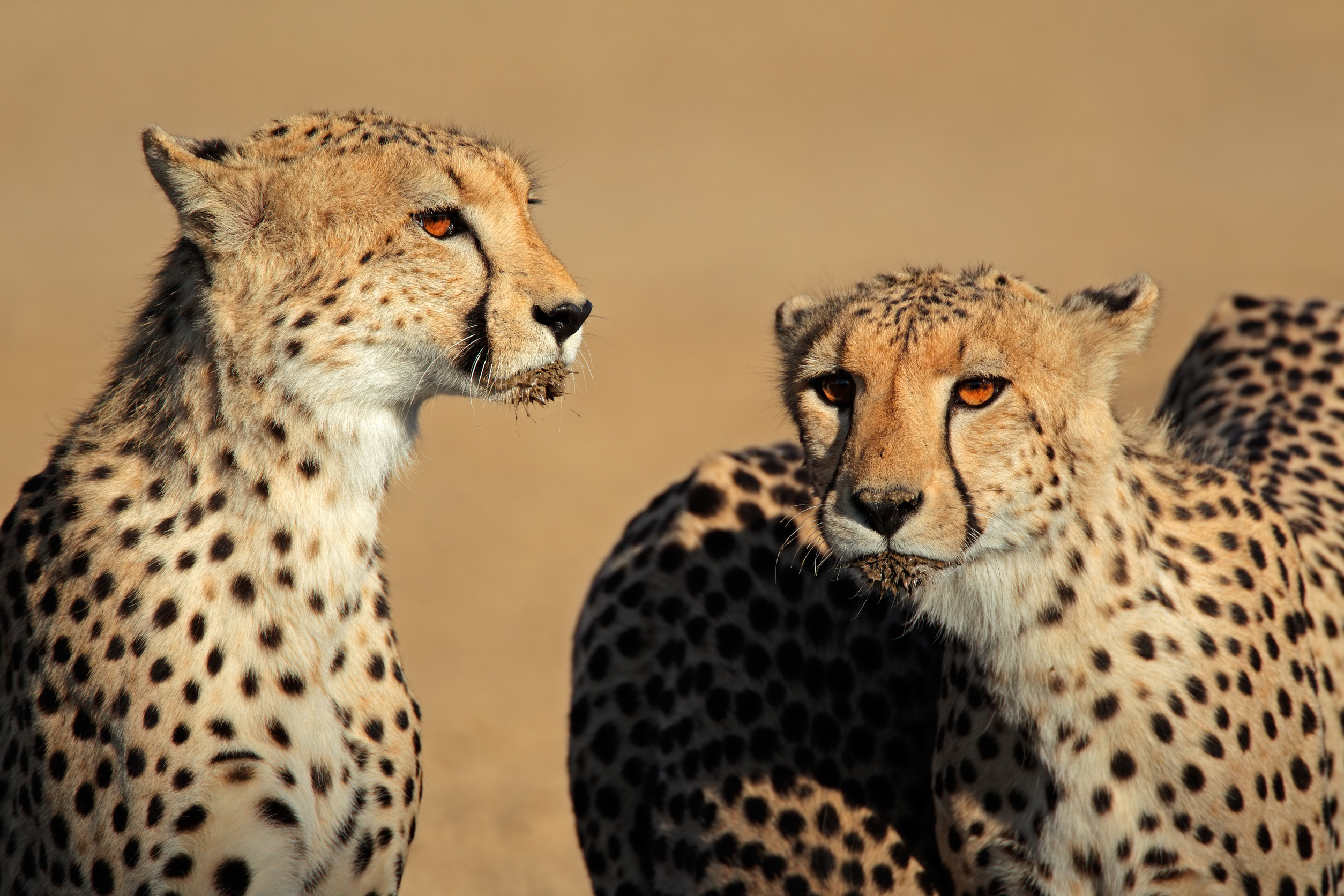
In the heart of Namibia, a unique conservation project is quietly preparing for a future no one wants to face. At the Cheetah Conservation Fund, zoologist Dr. Laurie Marker has spent the past 35 years collecting and storing cheetah sperm samples. Her goal is simple, though sobering: to preserve the species’ genetic material in case the world’s fastest land animal runs out of time.
With global wild populations plummeting, the idea of a sperm bank for cheetahs, which was once only a forward-thinking precaution, is now increasingly viewed as a potential lifeline.
“You don’t do anything with it until it’s needed,” Marker said in an interview with the Associated Press. “And we never want to get to that point.”
Cheetah populations in crisis
Cheetah numbers in the wild have dropped by 80 percent in the last 50 years, and the species now occupies just 10 percent of its historical range. Fewer than 7,000 individuals remain in fragmented groups across Africa. Of the 33 known populations, most include fewer than 100 cheetahs, according to Marker.
While they are not officially listed as critically endangered like the black rhino, their numbers are dangerously low. The reasons are unfortunately familiar: habitat loss, human-wildlife conflict, and the illegal wildlife trade.
And there’s another challenge that’s harder to see but just as damaging: shrinking genetic diversity. Small, isolated populations mean cheetahs are often forced to breed within limited gene pools, leading to reproductive challenges.
Scientists believe cheetahs already faced a severe population bottleneck around 10,000 to 12,000 years ago during the last ice age. As a result, their genetic variation is unusually low, and reproductive health is already compromised. Marker says up to 80 percent of cheetah sperm is abnormal, which limits breeding success and makes assisted reproduction a logical next step.
“‘A sperm bank makes perfect sense, right?” Marker asserted.
How sperm banks support wildlife conservation
The concept of storing reproductive material isn’t new in conservation circles. Sperm banks have been created for rhinos, elephants, big cats, birds, antelopes, and more. Often, these reserves act as a last line of defence when natural reproduction is no longer possible.
One of the most urgent examples is the northern white rhino. With only two females remaining, natural reproduction is impossible. Scientists are now relying on frozen sperm collected years ago and are experimenting with embryo implantation using southern white rhinos as surrogates. Although none of the pregnancies have yet been successful, the effort continues with all hope riding on reproductive science.
Similar methods helped bring back the black-footed ferret, once considered extinct in the wild, using stored sperm from a small population in Wyoming.
How cheetah sperm is collected
Unlike domestic animals or those bred in captivity, cheetah sperm is gathered opportunistically. In Namibia, cheetahs often come into conflict with livestock farmers, leading to injuries or captures. When these cats are brought in for treatment or rescue, Marker’s team may collect sperm samples during veterinary care.
Samples are also obtained from deceased cheetahs, ensuring that even unexpected losses can contribute to the genetic archive.
“Every cheetah is actually a unique mix of a very small number of genes,” Marker said. “We will try to bank every animal we possibly can.”
So far, the lab has collected samples from approximately 400 cheetahs, all stored in liquid nitrogen at ultralow temperatures at the conservation center near Otjiwarongo. The facility is often referred to as a “frozen zoo.”
Notably, artificial insemination using these samples has not yet occurred in Namibia. Breeding wild animals in captivity is prohibited, and the project’s focus remains on preserving future options, not immediate reproduction.
The backup plan: zoos and beyond
If wild populations continue to decline, the first line of reproductive backup would be the estimated 1,800 cheetahs currently living in zoos and managed breeding programs. However, cheetahs are known for being notoriously difficult to breed in captivity, making natural reproduction in zoos an unreliable safety net.
In that case, the frozen sperm stored in Namibia could represent the final option to restore or rebuild populations through assisted reproductive technologies. “Without it,” Marker said, “we’re not going to have much of a chance.”
Preparing for the worst, hoping for the best
For now, the sperm bank is a bit of a safeguard. Marker and her team remain focused on frontline conservation: protecting wild cheetahs, reducing human-wildlife conflict, and promoting coexistence. But the existence of the frozen gene bank provides a measure of hope in an uncertain future.
The race to save the cheetah is not just about speed, but foresight, planning, and science. And if the day comes when artificial reproduction is needed to rescue the species, the groundwork has fortunately already been laid.