BY THE OPTIMIST DAILY EDITORIAL TEAM
In a bold move to protect public health and the environment, Malaysia enacted an immediate and total ban on the import of electronic waste, or e-waste, as the government steps up efforts to stop illegal dumping and corruption tied to waste management.
The Malaysian Anti-Corruption Commission (MACC) announced last week that all e-waste would now fall under the “absolute prohibition” category, effectively eliminating prior loopholes that allowed limited importation. Previously, the Department of Environment could grant exemptions for certain categories of e-waste. This discretion has now been revoked.
“E-waste is no longer permitted,” said MACC chief Azam Baki in a statement, pledging “firm and integrated enforcement action” to prevent illegal imports. The move comes amid an ongoing corruption probe involving top officials in the environmental agency.
Toxic burden: why e-waste is a growing threat
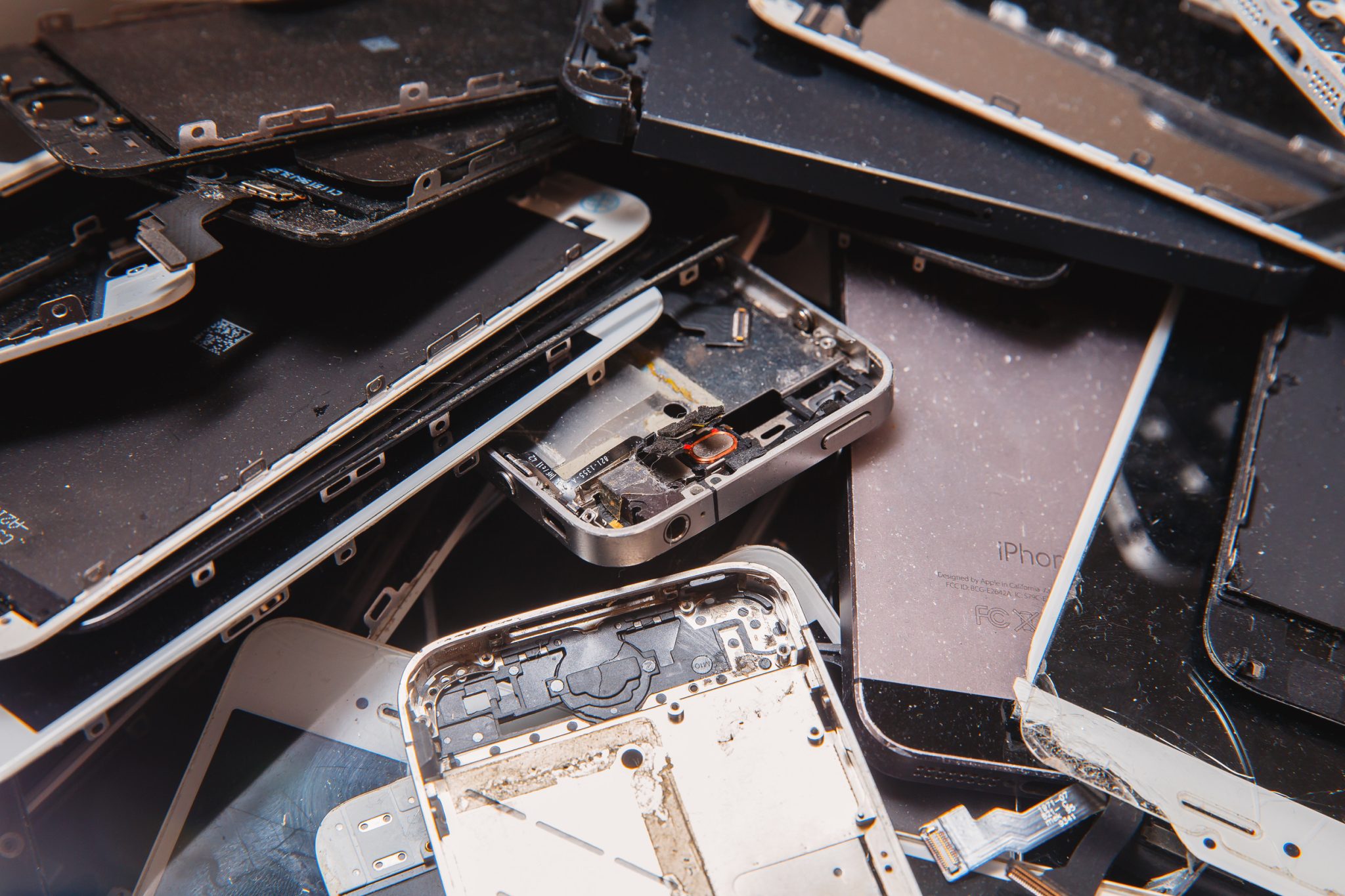
E-waste refers to discarded electronics such as phones, laptops, TVs, and appliances. These items often contain heavy metals and hazardous substances like mercury, lead, and cadmium, all of which are contaminants that can pollute groundwater, soil, and air if improperly processed.
Environmental groups have long sounded the alarm over Malaysia’s growing role as a destination for global electronic waste, much of which is believed to enter the country illegally. In recent years, authorities have intercepted and seized hundreds of containers of suspected e-waste at ports across the country. Many of these shipments have been traced back to exporters in high-income nations.
According to the MACC, Malaysia is taking the stance that it “is not a dumping ground for the world’s waste.” The commission emphasized that e-waste is more than just trash; it’s a serious risk to public health, environmental sustainability, and even national security.
A crackdown amid corruption investigations
The ban coincides with a widening corruption investigation into the oversight of e-waste imports. Last week, the MACC detained and remanded the director-general of the Department of Environment and their deputy for alleged abuse of power and corruption related to e-waste handling.
Authorities have since frozen several bank accounts and seized cash believed to be connected to the case. In a post on social media, Malaysia’s Home Ministry reiterated its commitment to ramp up enforcement efforts to stop the illegal smuggling of e-waste into the country.
A regional issue with global roots
Malaysia is not alone in confronting the issue. Neighboring Indonesia has also tightened its borders. Late last year, the Indonesian government seized over 70 containers of hazardous e-waste at a port on Batam Island, much of it originating from the United States. Just last month, four of those containers, filled with used electronics and components like circuit boards and power supplies, were shipped back to the U.S.
The surge in Southeast Asia’s e-waste burden began in earnest after China, once the world’s largest importer of foreign waste, enacted a near-total ban on such shipments in 2018. Since then, exporters have diverted waste to other countries with less stringent regulations and lower recycling costs.
But governments across the region are increasingly drawing a line. Malaysia’s new ban sends a clear message: the era of using Southeast Asia as a dumping ground is coming to an end.
Did this solution stand out? Share it with a friend or support our mission by becoming an Emissary.