


BY THE OPTIMIST DAILY EDITORIAL TEAM
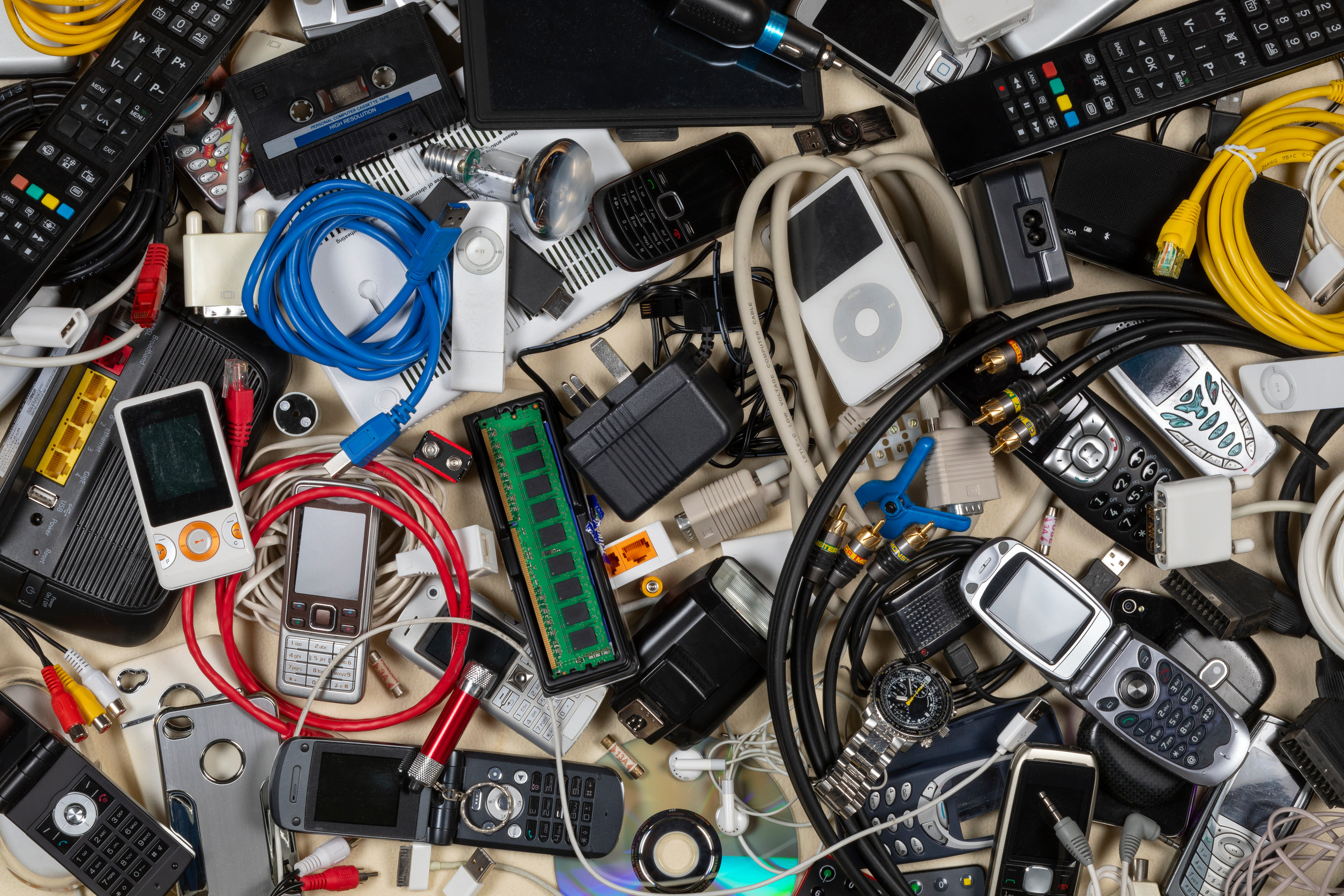
Buried somewhere in your drawer, that outdated smartphone may be worth more than you think. Not because it’s vintage, but because it holds slivers of lithium, cobalt, and rare earth metals… the very stuff Europe desperately needs.
Urban mining, the process of extracting valuable materials from used electronics and buildings, is emerging as a major tool in Europe’s race toward resource independence and climate resilience. As the European Union reduces reliance on foreign imports, it’s turning to what’s already within its borders: old tech, broken appliances, demolished buildings, and a whole lot of untapped potential.
From global dependence to circular ambition
Despite being one of the largest product markets on the planet, Europe lacks the raw materials that power green and digital technologies. Currently, about 90 percent of strategic elements, like those used in batteries, semiconductors, and wind turbines, are imported.
That’s where urban mining comes in. Rather than relying on traditional “primary” mining that digs into the earth, urban mining pulls metals and minerals from discarded goods. A 2024 EU law, the Critical Raw Materials Act, aims to have 25 percent of these vital materials come from recycling by 2030—a big leap from the current 1 percent.
Your old tech could power the future
Estimates suggest there are about 700 million unused phones sitting around in European homes. And they’re just the tip of the iceberg. On average, each household owns 74 electronic devices, 13 of which are unused and stashed away.
This hoarding habit, often driven by concerns about data privacy or the “just in case” mindset, is part of what experts call “electronic hibernation.”
Still, the potential is huge. EU member states are ramping up efforts to collect and process electronic waste. Across the continent, 2,700 facilities are working to recover precious metals from tossed-out tech, gradually replacing reliance on materials imported from Asia and elsewhere.
Construction joins the circular revolution
Urban mining doesn’t stop at smartphones. In fact, construction and demolition make up about 40 percent of the EU’s total waste by weight. Most of this is traditional material (think concrete, aluminum, steel, and glass) that could be repurposed or reused.
Though much of today’s demolished concrete gets crushed and reused in road foundations (a process known as downcycling), newer technologies now allow for high-quality recycling that keeps the material usable in future buildings.
Some EU countries are even requiring pre-demolition inventories of materials, paving the way for more intentional reuse. Everything from bricks and windows to wood beams and steel supports can potentially get a second life.
Renovate, reuse, rethink
Circularity isn’t just about recycling; it’s about rethinking how we build and design in the first place. Modular construction allows parts of buildings to be easily dismantled and reused, while renovation strategies can reduce both waste and emissions.
According to the European Environment Agency, 20 to 25 percent of building emissions are embedded in construction materials. By embracing circular economy principles, particularly in renovations, Europe can significantly cut these embedded emissions and align more closely with climate goals.
A new Circular Economy Act is expected in 2026 to expand support for these kinds of efforts across sectors.
A circular future is already here
Urban mining offers a smart, sustainable path forward, not just for resource security but for reshaping how Europe thinks about waste. Whether it’s the phone in your drawer or the bricks in your old school, discarded materials are being reimagined as strategic assets. The future, it seems, may already be built.






