BY THE OPTIMIST DAILY EDITORIAL TEAM
The moment you plant a seed, a race begins. Your vegetable seedlings need to establish themselves before weeds do, and the longer germination takes, the harder that race gets. Frost, temperature swings, animals, and flooding can all interfere during that window. Most gardeners tweak their watering schedule or soil mix. Dr. Alan Taylor, a horticulture professor at Cornell University’s School of Integrative Plant Science, suggests starting one step earlier.
Soaking your seeds before planting speeds up germination, shrinking that vulnerable window. “Faster germination and seedling emergence gives your vegetable crop a good head start and competitive edge over weeds,” Taylor says. You need water, a paper towel, and one night.
Which seeds to soak
Nearly all vegetable seeds can benefit, but large-seeded varieties gain the most. Their thick seed coats are harder for water to penetrate, so soaking makes a real difference for crops like sweet corn, peas, cucumbers, pumpkins, squash, and table beets.
Small seeds can also be soaked, though they’re trickier to handle. Taylor specifically recommends soaking the ones “that take a long period of time to germinate, like carrots, parsley and parsnip.”
The exception is beans. Garden beans and lima beans are sensitive to damage and prone to oversaturation — skip soaking them unless you have experience.
The paper towel method
You probably already have everything you need.
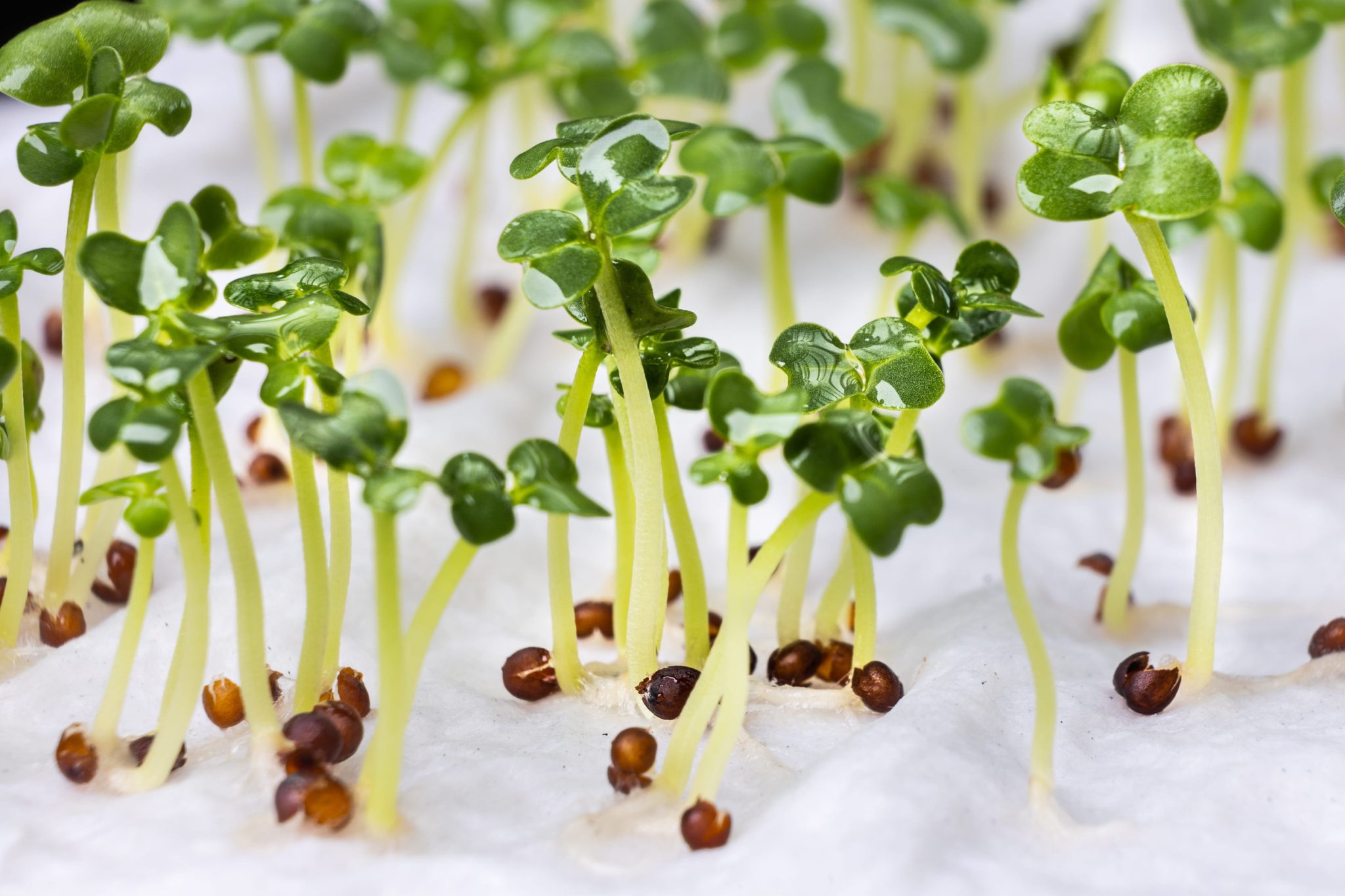
Line the bottom of a cafeteria tray or egg carton with a paper towel and saturate it with water, then pour off the excess so it’s moist but not pooling. Sprinkle your seeds over it. For large seeds such as sweet corn and peas, lay a second saturated towel on top. Leave the whole thing in a room between 65°F and 70°F overnight.
Don’t go past 24 hours. Seeds left too long absorb too much water, start sprouting prematurely, or rot.
When ready, transfer the seeds to a dry paper towel and let them dry before planting by hand. Seeds with any exposed roots are easy to damage at this stage, so be careful. Too wet and they’ll stick together when you try to plant them.
And that’s all it takes! One night, minimal materials, and you’ve given your seeds a genuine edge. If you’ve had a row go quiet on you after planting, this is probably the first thing worth changing.
Did this solution stand out? Share it with a friend or support our mission by becoming an Emissary.