BY THE OPTIMIST DAILY EDITORIAL TEAM
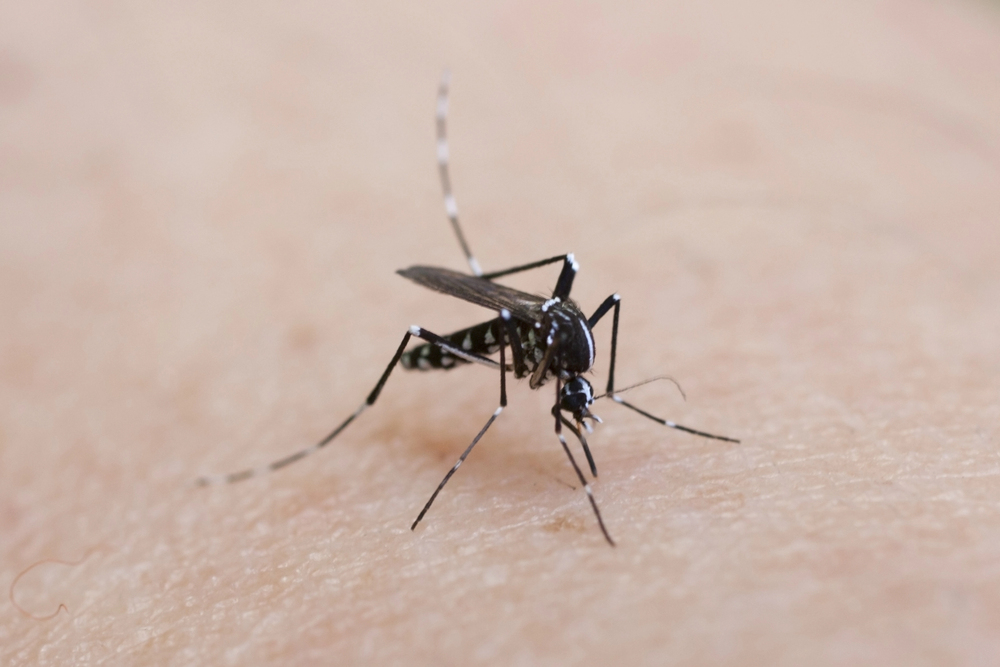
Portugal has released 30,000 sterile male mosquitoes in Lisbon as part of a push to bring down populations of the Asian tiger mosquito (Aedes albopictus), a species that can carry dengue, Zika, and yellow fever. Last Thursday’s release in Alvalade was the third and final deployment of this phase. Sixty thousand sterile mosquitoes have now gone out across Portugal in total.
The logic behind sterile male release
Male mosquitoes don’t bite; only females do, and the sole reason they do is to get blood for egg development. Males exist to mate, which is exactly what makes this work: flood a wild population with sterile males; they compete with fertile males for females, and any female that mates with one produces nothing. Do that consistently, and reproduction rates fall. No pesticides, no genetic modification.
Afonso Moreira, a public health doctor at the Francisco George Public Health Unit and the project’s lead researcher, says the sterilization method is proven and safe. Sterile insect technique has a long track record in agricultural pest control. Its use against disease-carrying mosquitoes in European cities is a newer application.
Dispersal and survival: the first phase focus
Bringing down the population isn’t the immediate goal. Researchers are working through a more basic question first: how far do the released mosquitoes spread, and how long do they last once they’re out in a city?
“When we release them into areas where there is a population of this mosquito, they will essentially compete with the male mosquitoes that are already there, the wild mosquitoes,” Moreira told the Lusa news agency.
If the dispersal and survival numbers hold up, the next stage will be a comparative study starting in May, measuring reproduction in treated areas against areas handled through conventional methods.
One piece of a broader strategy
Moreira was clear that sterile releases aren’t a replacement for anything. Getting rid of standing water and cutting off breeding sites is still the most direct way to keep tiger mosquito numbers in check. The sterile male program adds pressure from inside the population, but the habitat work has to keep running alongside it.
The disease risk from Aedes albopictus works through a chain: the mosquito picks up a pathogen from an infected person and passes it to whoever it bites next. Fewer mosquitoes mean fewer chances for that chain to close.
Did this solution stand out? Share it with a friend or support our mission by becoming an Emissary.