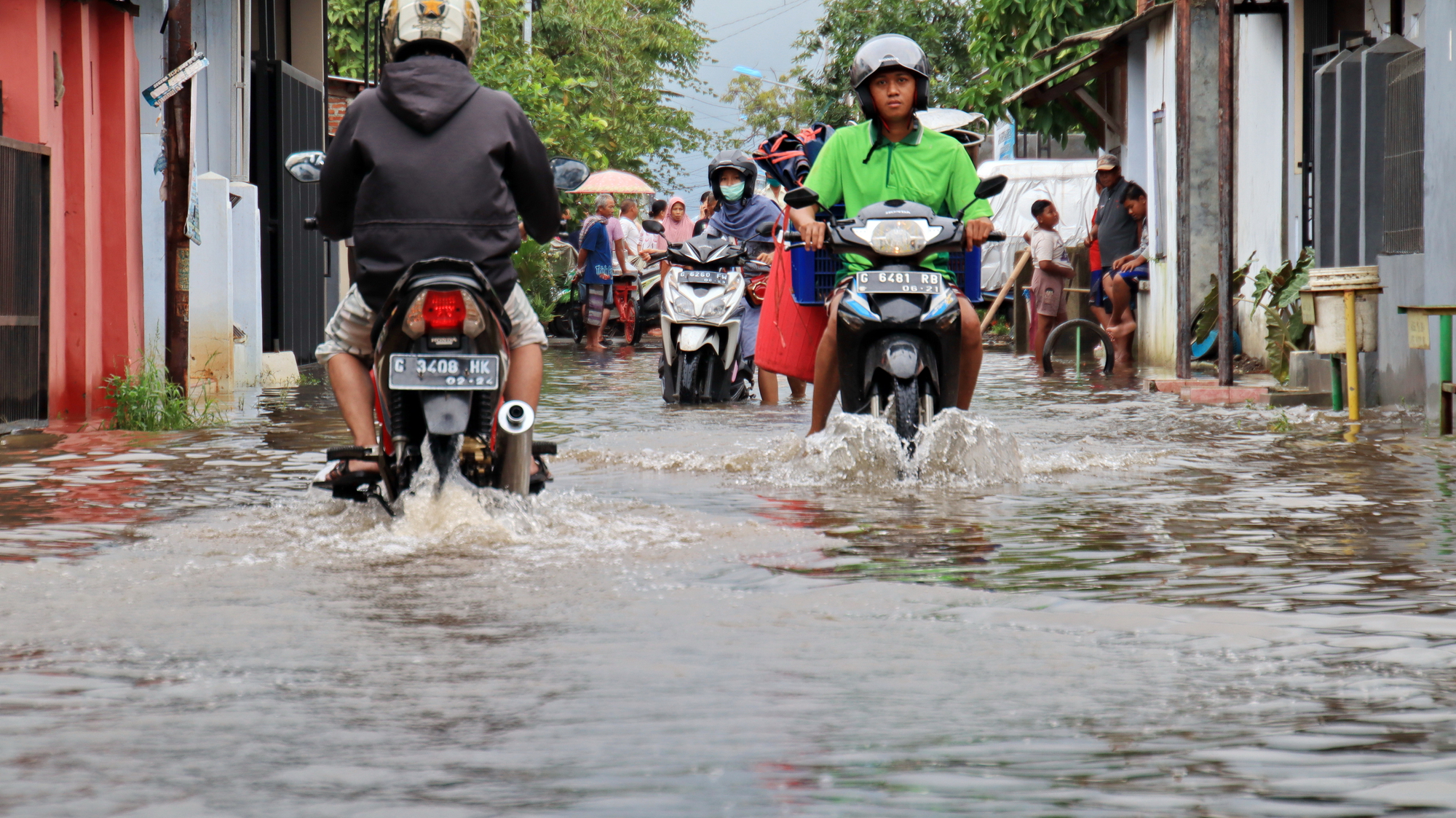
In developing countries, human waste is often left out in the open or funneled into the ocean, where it contaminates the water supply—leading to thousands of deaths each year due to gastrointestinal diseases. That’s beginning to change after an alliance of companies like Unilever and nonprofits like The World Bank have come together to launch The Toilet Accelerator, an initiative aimed at providing business support to emerging sanitation entrepreneurs in the developing world. The initiative began by helping companies manufacture toilets at scale, but now they are working with sanitation companies to turn human waste into a “resource” that can be effectively reused. At one sanitation company in Ghana, dried fecal waste is being mixed with organic waste to be converted into biogas that fuels electricity generators.

The developing world is turning its poop problem into a resource
More of Today's Solutions
The Rockefeller Christmas Tree gets a charitable new life after the holidays
We once shared how a tiny owl was rescued from the branches of the Rockefeller Christmas Tree. Now we have more good news as ...
Read MoreA youth-led environmental victory creates a paradigm shift in Montana’s...
A group of youth environmental activists scored a landmark legal victory in Montana, marking a critical step forward in the ongoing battle against climate ...
Read MoreA glimpse into the feline world: how your cat experiences life through the se...
While cats have the same fundamental senses as humans, how they interpret and use sight, sound, smell, taste, and touch creates a unique tapestry ...
Read MoreAre your pillows past their prime? Here’s what the experts say
BY THE OPTIMIST DAILY EDITORIAL TEAM We all have that one pillow—just the right squish, the perfect level of support, the familiar comfort that ...
Read More