


Science
From mathematics and AI to medicine and psychology, The Optimist Daily features the latest news on discoveries, technological advances, and breakthroughs in the world of science. Our Science section is here to engage and enlighten you.
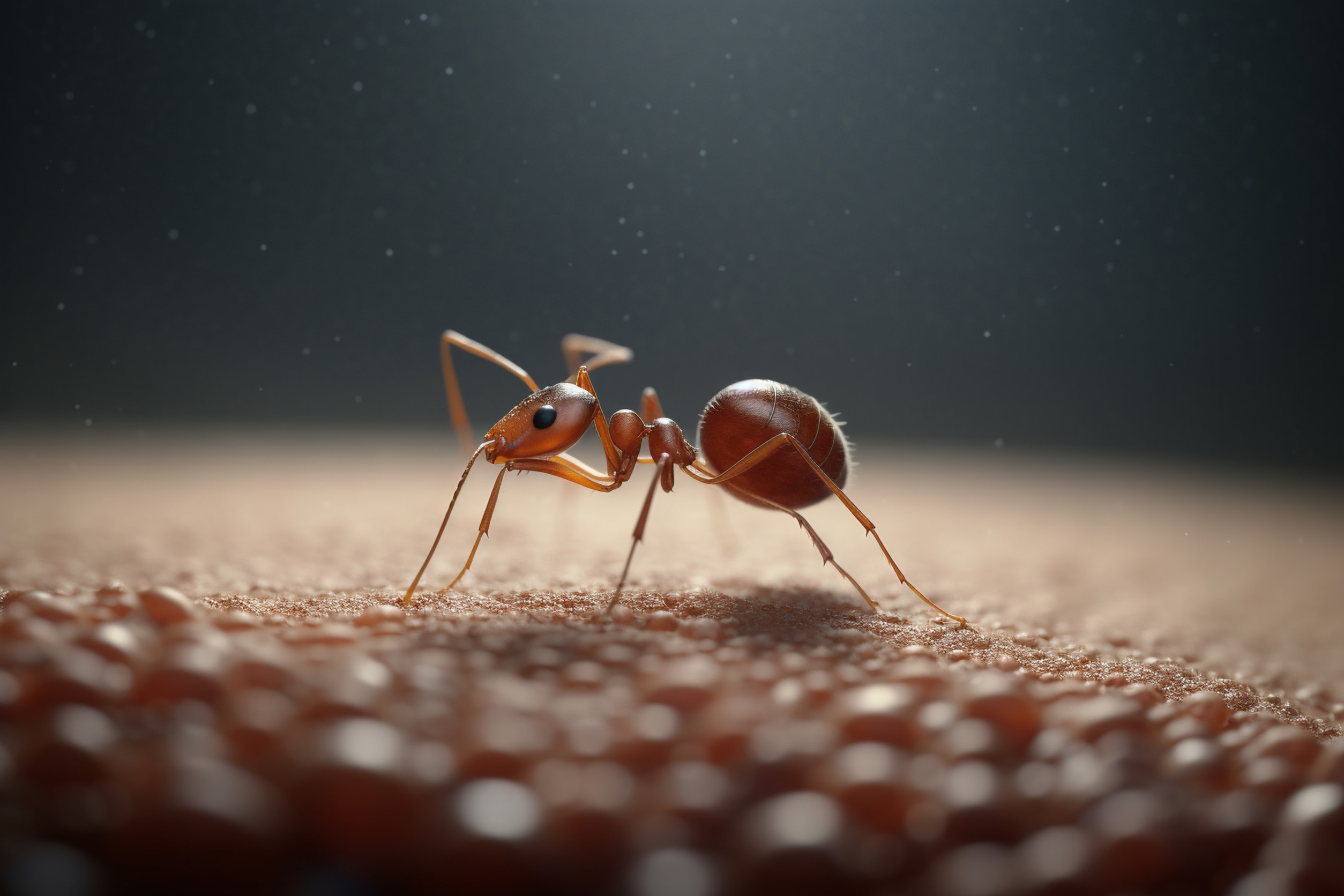
Ants can detect cancer as well as sniffer dogs
A proof-of-concept study from scientists in France has recently demonstrated something fascinating: the ability of ants to sniff out cancer cells. The research results provide proof that a particular species of ant, Formica fusca, can be quickly trained to detect cancerous cells with the same Read More...

Signs of life discovered deep in the Earth
We all know that things happening below the Earth’s crust, the top layer in which humans inhabit, impact what’s going on above. From volcanoes to tsunamis, the huge tectonic plates beneath our feet are hugely influential. For the first time ever, scientists have discovered how life above has Read More...

An extinct rock may’ve made life on Earth possible
By delving into our past, we afford ourselves ways to learn about our present and our future. Planetary scientists from Yale University have delved very deeply into our past and discovered perhaps how life was able to form on our planet. Earth’s uninhabitable period In the first 500 million Read More...

The New Symbiosis: Living with Wildlife
“We’re animals. We’re born like every other mammal and we live our whole lives around disguised animal thoughts.” - Barbara Kingsolver By Oliver Kammeyer Human society developed an idea over time that it is separate from nature, that we exist apart from it, or in spite of it. Perhaps it Read More...

North Island brown kiwi “no longer threatened”
Kiwis are funny-looking, round, and flightless birds and are the only birds in the world with nostrils at the ends of their beaks. They have the highest body temperature of any bird, over 100 degrees Fahrenheit, and they also lay one of the largest eggs relative to their little bodies. The kiwi Read More...

Scientists develop a way to reverse aging in human eggs
These days, it’s not uncommon for women to want to put child-rearing on hold while they focus on pursuing their own interests or professional careers. This means that many women are opting to have kids later in life—however, women’s reproductive biology differs from men’s because they are Read More...

Peatlands, a boggy carbon sink absolutely worth saving
For those in the world who have to live with it, you may wonder “what on earth is peat good for?” Peatland is a mossy wet mass that you can’t build on, you can barely walk on, you can’t grow crops on it, and all its stagnant water is a breeding ground for mosquitoes which bring Read More...

These nanoparticles deliver genetic info to treat diseases
Every day, scientists and medical researchers finetune previous technology and techniques, or they find new applications for existing ones. Recently, a team from Tufts University, with collaboration from Harvard Medical School and the University of Massachusetts, Boston, made a new application for Read More...
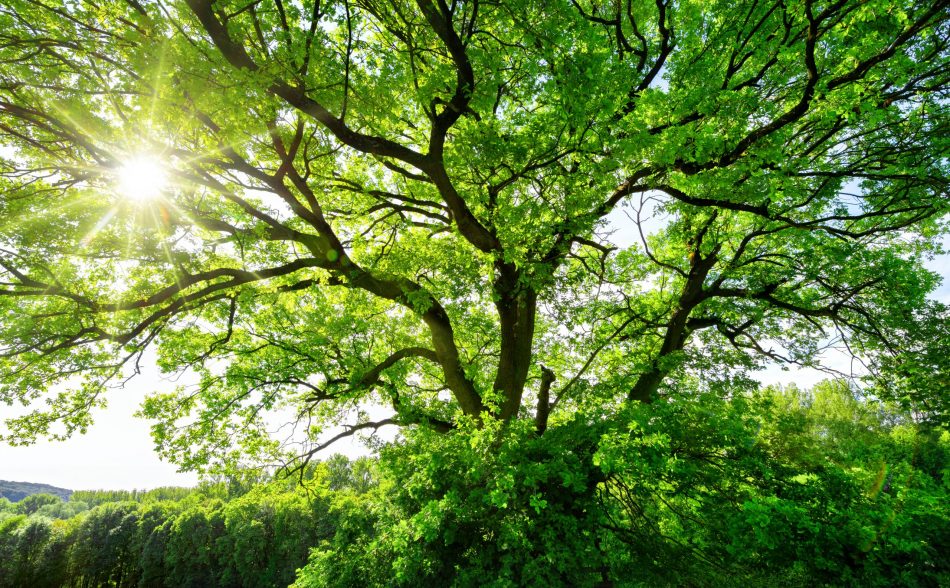
Fractals: why your brain prefers nature over cities
You’re probably very aware at this point that it’s healthy for you to spend more time outside. While we’ve certainly written about it a great deal, scientists keep unveiling new findings about the relationship between lower stress and nature. For instance, new research from the Read More...

Floating ants may inspire the future of robotics and adaptive materials
Ants are extremely adaptable creatures. The little critters are one of the strongest animals in relation to their size, being able to carry 50 times their own body weight. They are also the longest living insect, with some species living for around 30 years. However, the teamwork these tiny animals Read More...