


Search
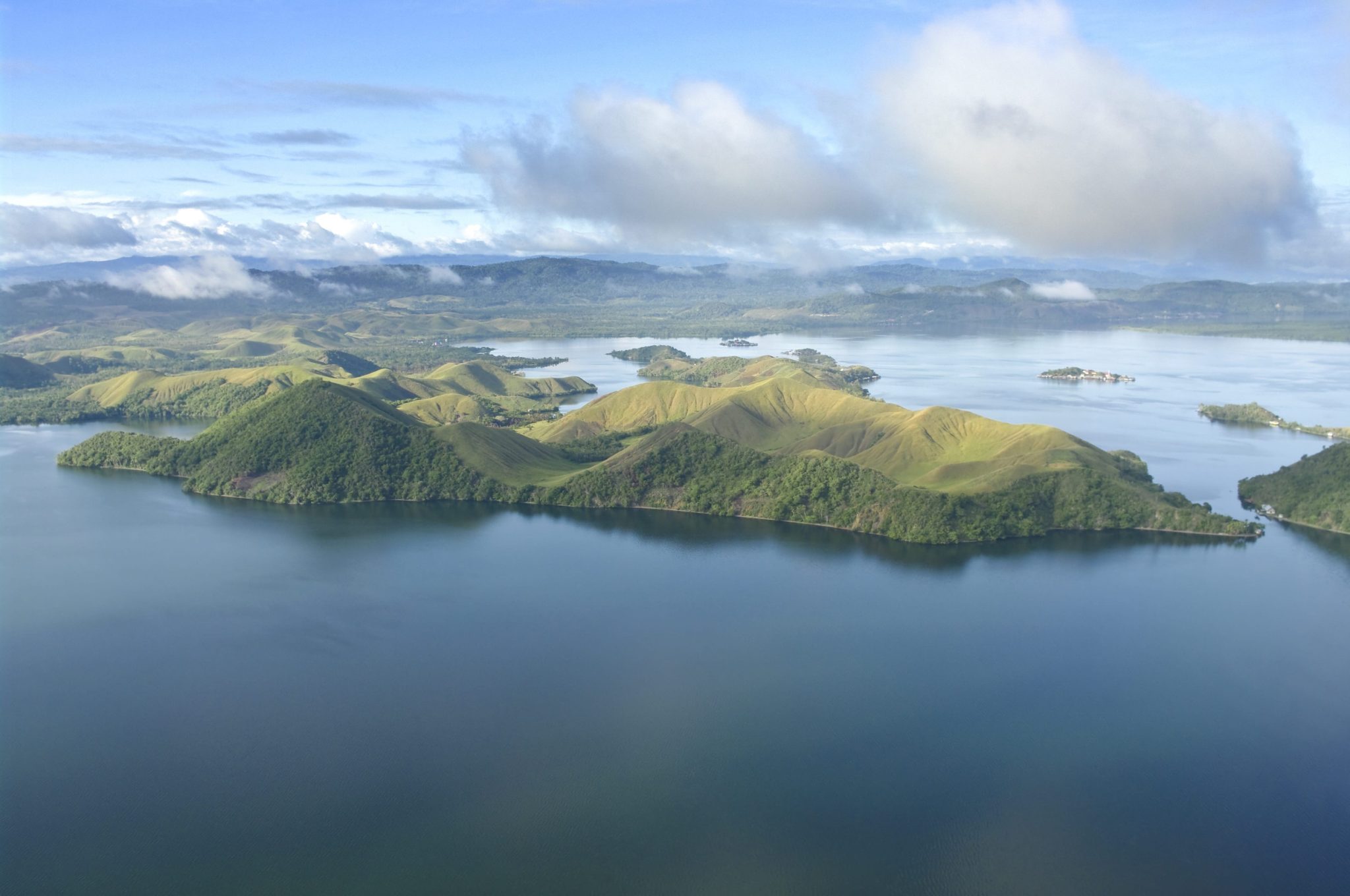
BY THE OPTIMIST DAILY EDITORIAL TEAM Papua New Guinea announced on May 13 that it will protect roughly 214,000 square kilometers (about 82,600 square miles) of the Bismarck Sea from all fishing and extractive activity, an area approaching the size of the United Kingdom. The Western Manus Marine Read More...

BY THE OPTIMIST DAILY EDITORIAL TEAM Wildflowers are associated with rolling meadows, ancient grasslands, and a pastoral world that is rapidly disappearing. The UK has lost 97 percent of its wildflower meadows over the past century, driven largely by agricultural intensification. As Nadine Read More...

BY THE OPTIMIST DAILY EDITORIAL TEAM In the face of climate change, many people question the importance of individual actions in ensuring a sustainable future. While institutional change is necessary, environmentalist and author Heather White emphasizes the importance of individual choices. Read More...

Episode Description: This week: a German research team built a water contamination test that runs on a smartphone and gives you an answer in under a minute. A Cornell professor has a gardening trick that involves water, a paper towel, and one night. A Bristol startup figured out what to do with Read More...

BY THE OPTIMIST DAILY EDITORIAL TEAM On April 22, 1970, roughly 20 million Americans took to the streets, campuses, and parks to demand that the government treat the environment as something worth protecting. At the time, rivers in the United States were catching fire. Lead was still in Read More...
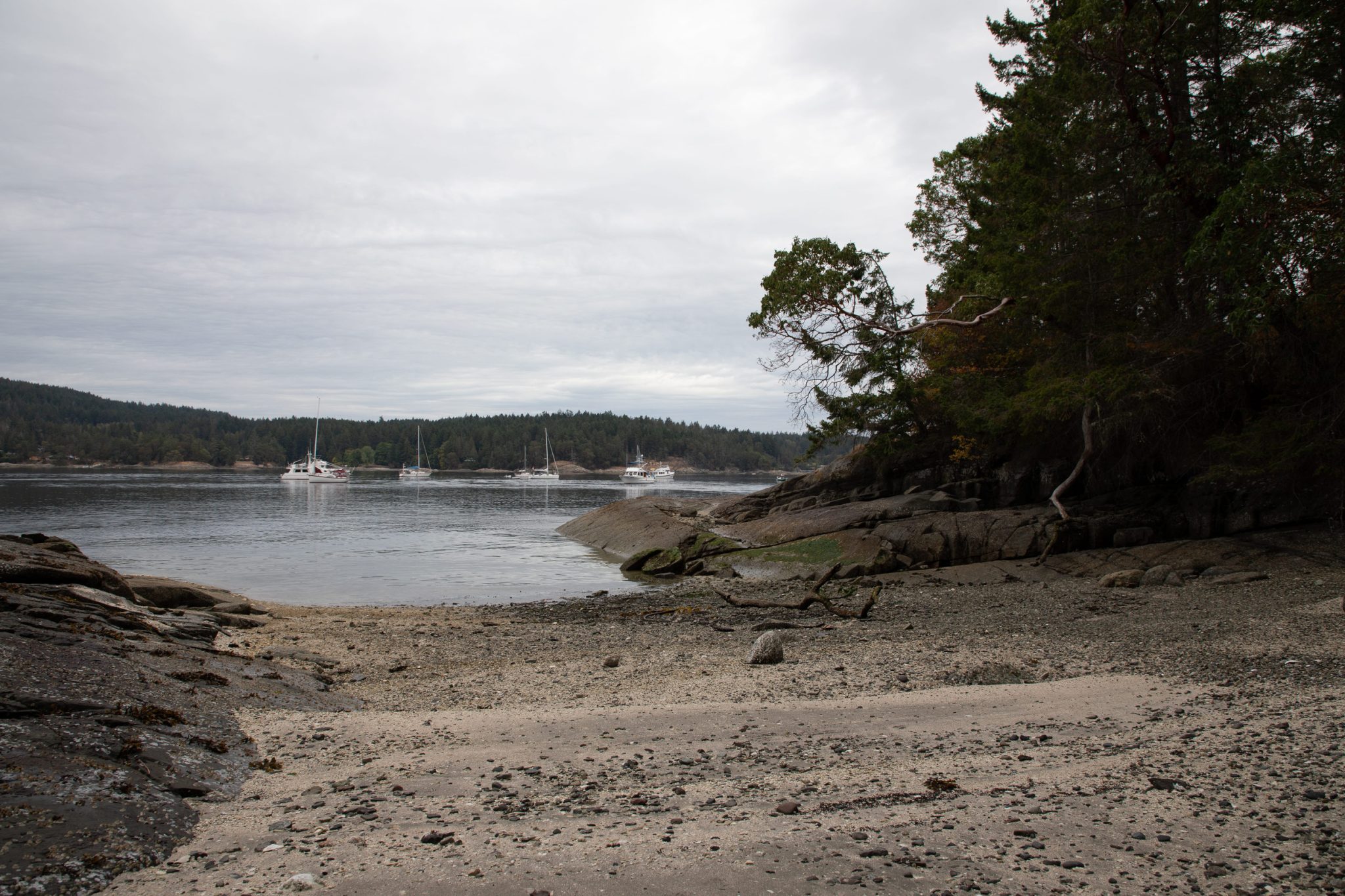
BY THE OPTIMIST DAILY EDITORIAL TEAM Marco Hatch describes his own work with characteristic dry humor: "I'm a glorified clam counter." What he's actually doing is more complicated. As a marine ecologist at Western Washington University and an enrolled member of the Samish Indian Nation, Hatch is Read More...
BY THE OPTIMIST DAILY EDITORIAL TEAM In February 2024, sixteen scientists gathered at the University of Lodz in Poland, surrounded by snow, to spend a week examining creatures from the floor of the Pacific Ocean. The animals they were studying lived at depths of around 13,000 feet (roughly Read More...

Episode Description: This week, Arielle and Karissa cover a tiny African island paying locals to protect its rainforest, the lion DNA case that just sent two poachers to prison, and new research on music, overthinking, and quitting smoking. Oh, and the hummingbirds are on their way. If you have Read More...

BY THE OPTIMIST DAILY EDITORIAL TEAM When conservation biologists fitted a male lion with a radio collar near Hwange National Park in Zimbabwe, they were studying his movements. They drew blood, logged his health information, and stored his DNA profile in a database. They had no way of knowing Read More...
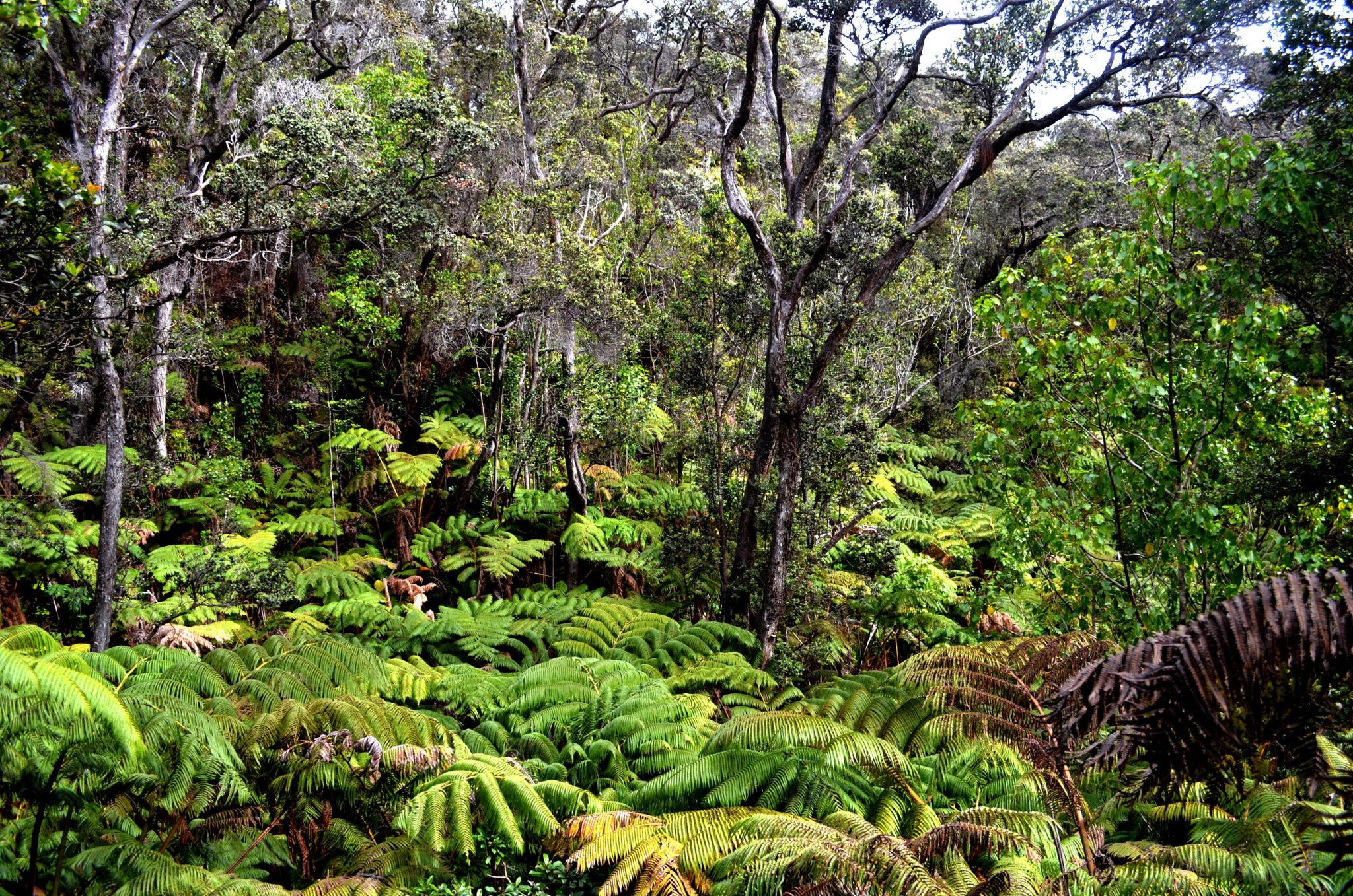
BY THE OPTIMIST DAILY EDITORIAL TEAM For centuries, the tiny West African island of Príncipe was a place where nature was exploited and people were brought in chains to work it. Today, the descendants of those laborers are being paid to protect it. The Faya Foundation, funded by South Read More...