


Search

BY THE OPTIMIST DAILY EDITORIAL TEAM In a year marked by rapid change, scientific progress gave us reasons to wonder, dream, and keep pushing forward. For our Best of 2025 Science roundup, we’re celebrating the breakthroughs that didn’t just advance human knowledge; they sparked possibility, Read More...
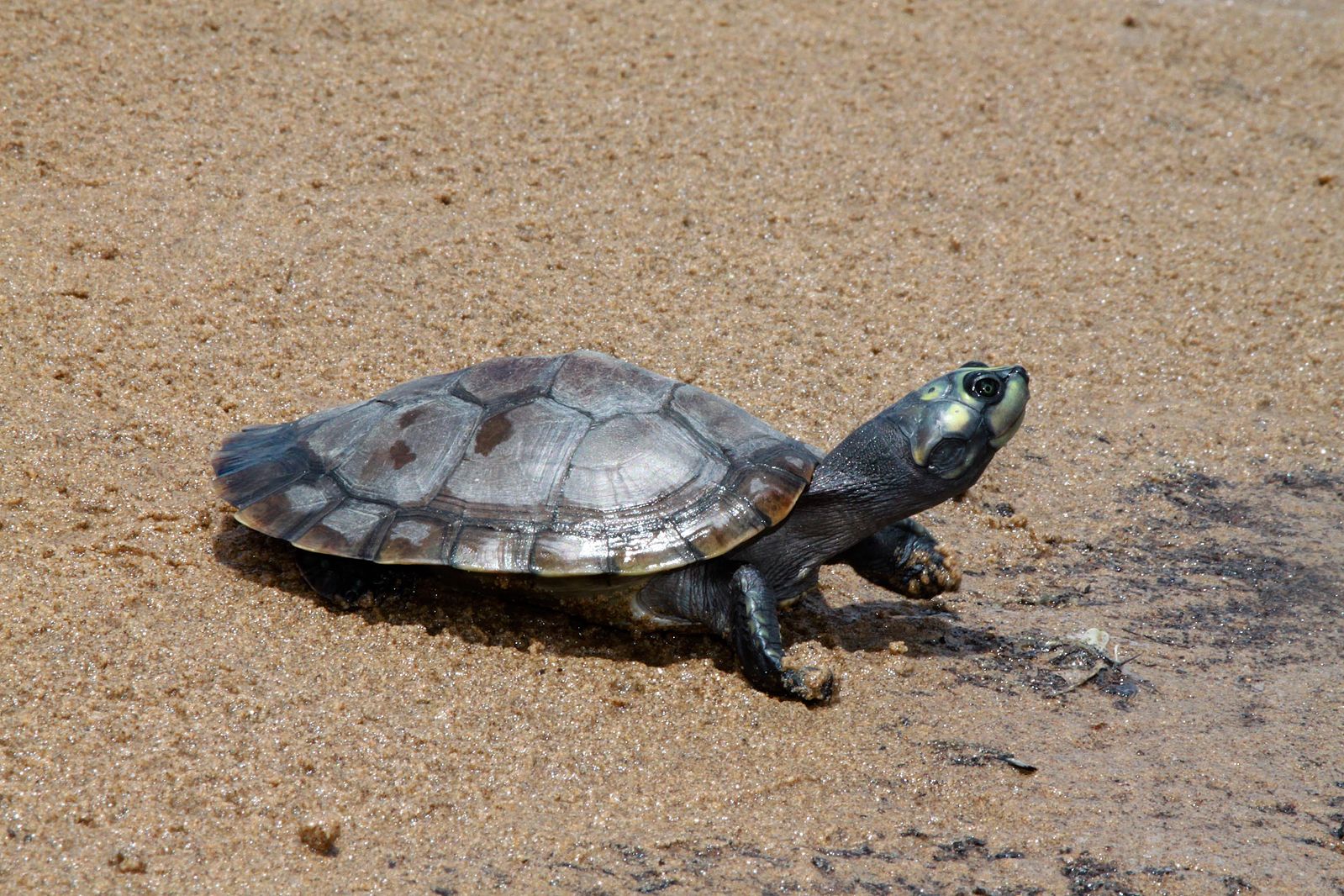
BY THE OPTIMIST DAILY EDITORIAL TEAM Welcome to our Best of 2025 spotlight on the environment, which we all know is one of the most dynamic and urgent spaces for innovation and impact. This year brought some truly awe-inspiring breakthroughs in sustainability, conservation, and climate resilience. Read More...
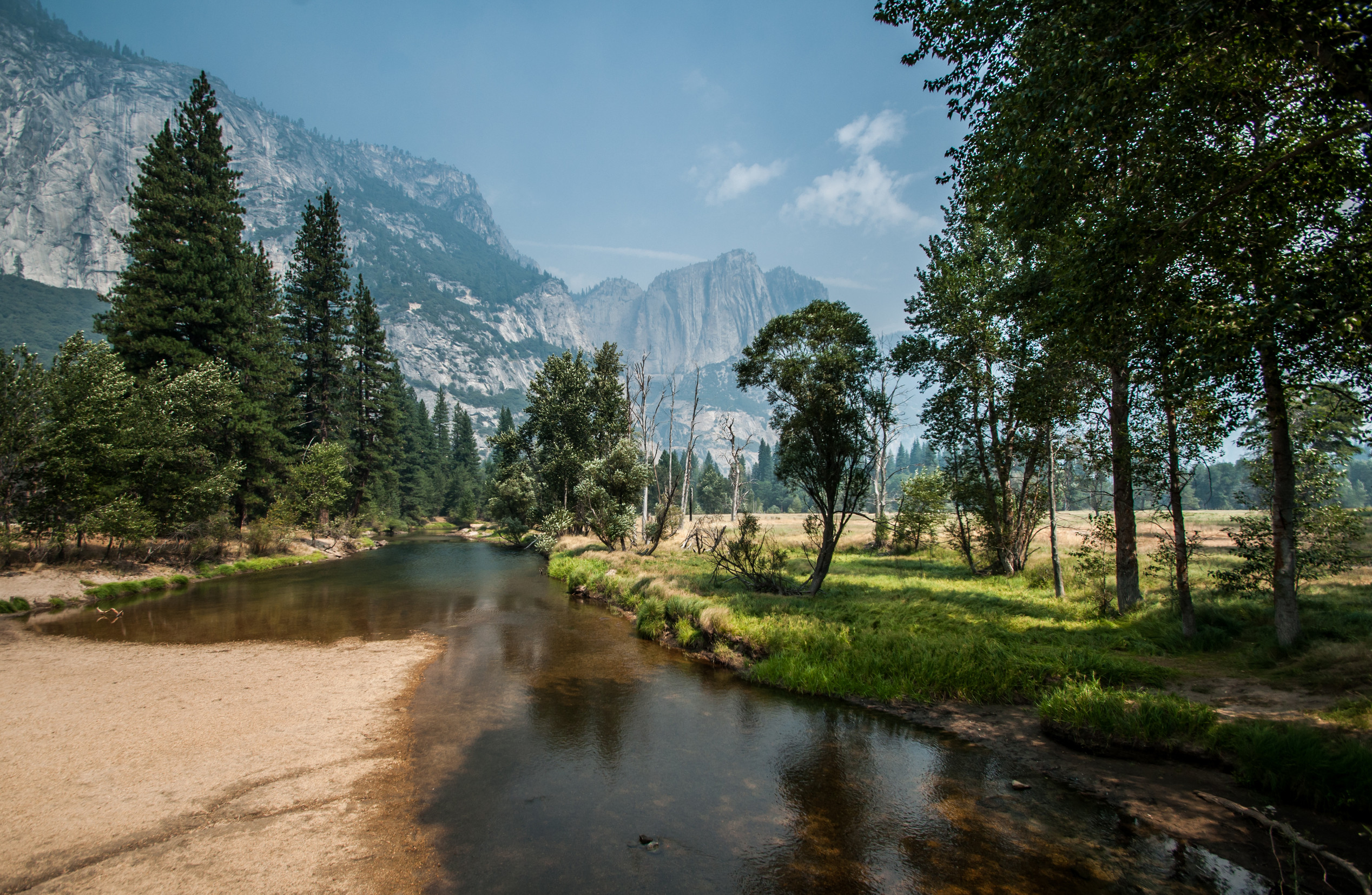
BY THE OPTIMIST DAILY EDITORIAL TEAM Nearly 900 acres of ancestral territory have been officially returned to the Southern Sierra Miwuk Nation, marking a major milestone in Indigenous land restoration efforts in California. The property, which borders Yosemite National Park and the Sierra Read More...
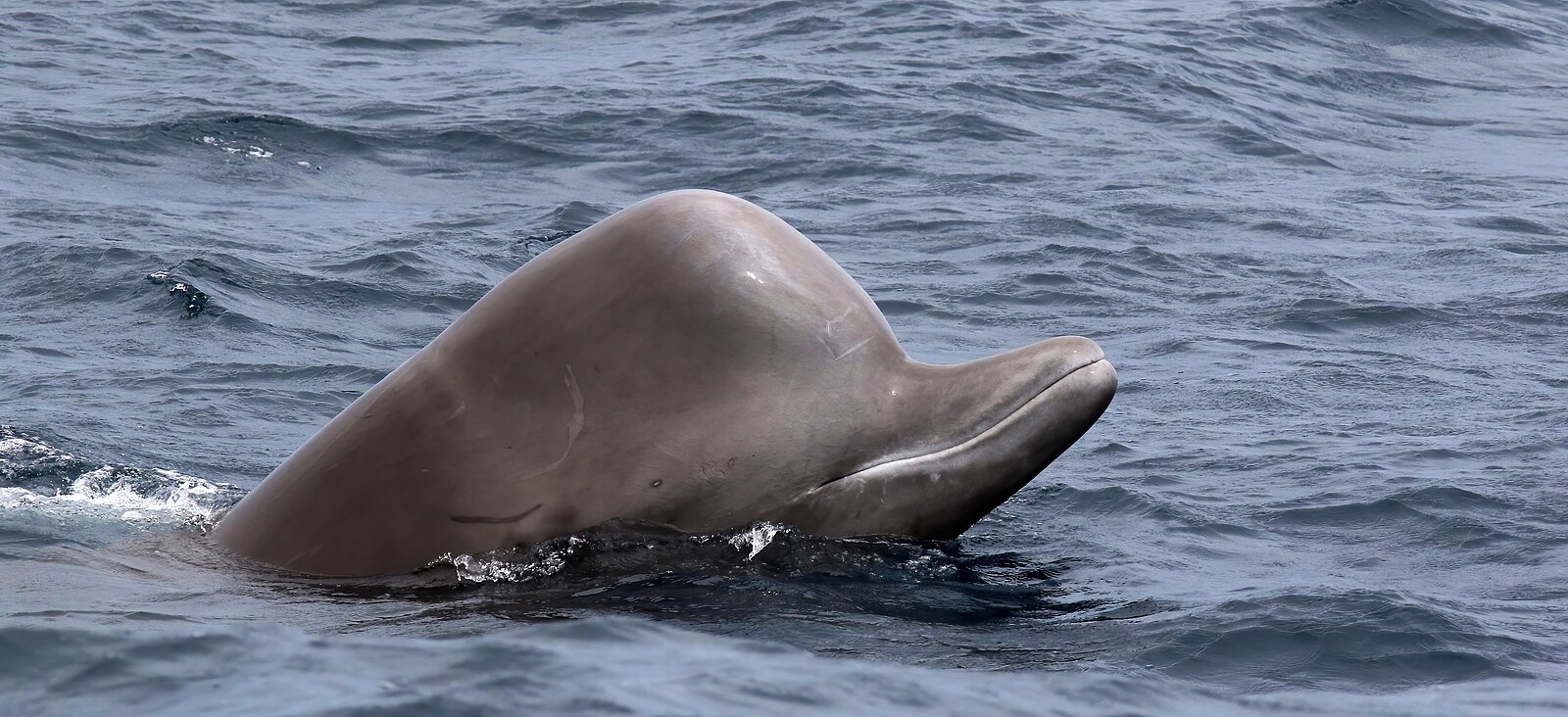
BY THE OPTIMIST DAILY EDITORIAL TEAM In a world where news about endangered species is often bleak, a sprawling underwater canyon off the coast of Nova Scotia is offering something rare: hope. There, in the dark, nutrient-rich waters of the Gully, a vast submarine canyon roughly the size of Read More...
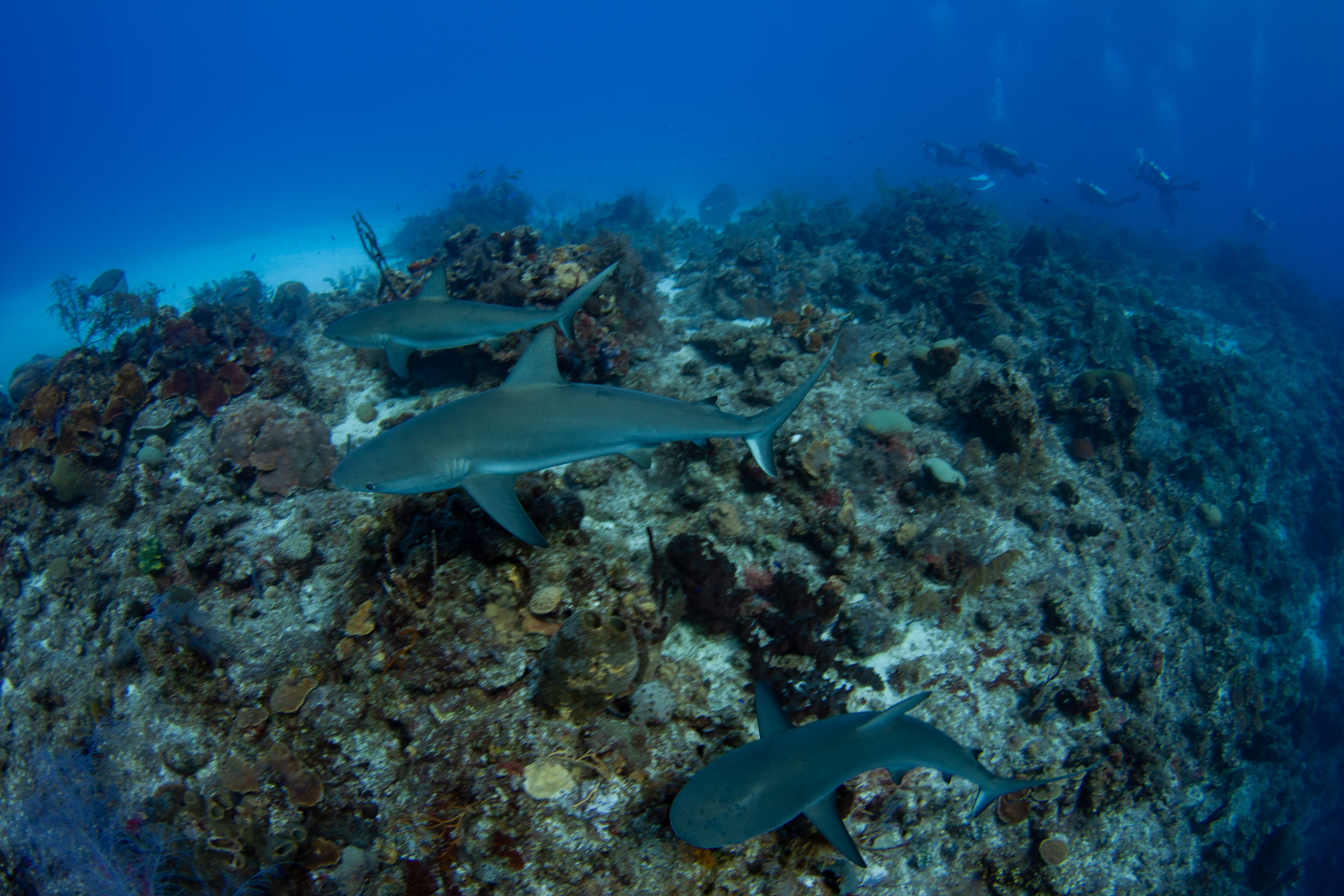
BY THE OPTIMIST DAILY EDITORIAL TEAM The global push to safeguard oceans is gaining momentum. With the United Nations’ target of protecting thirty percent of the seas by 2030, marine protected areas (MPAs) are being established at a record pace. But a new study from the eastern tropical Read More...
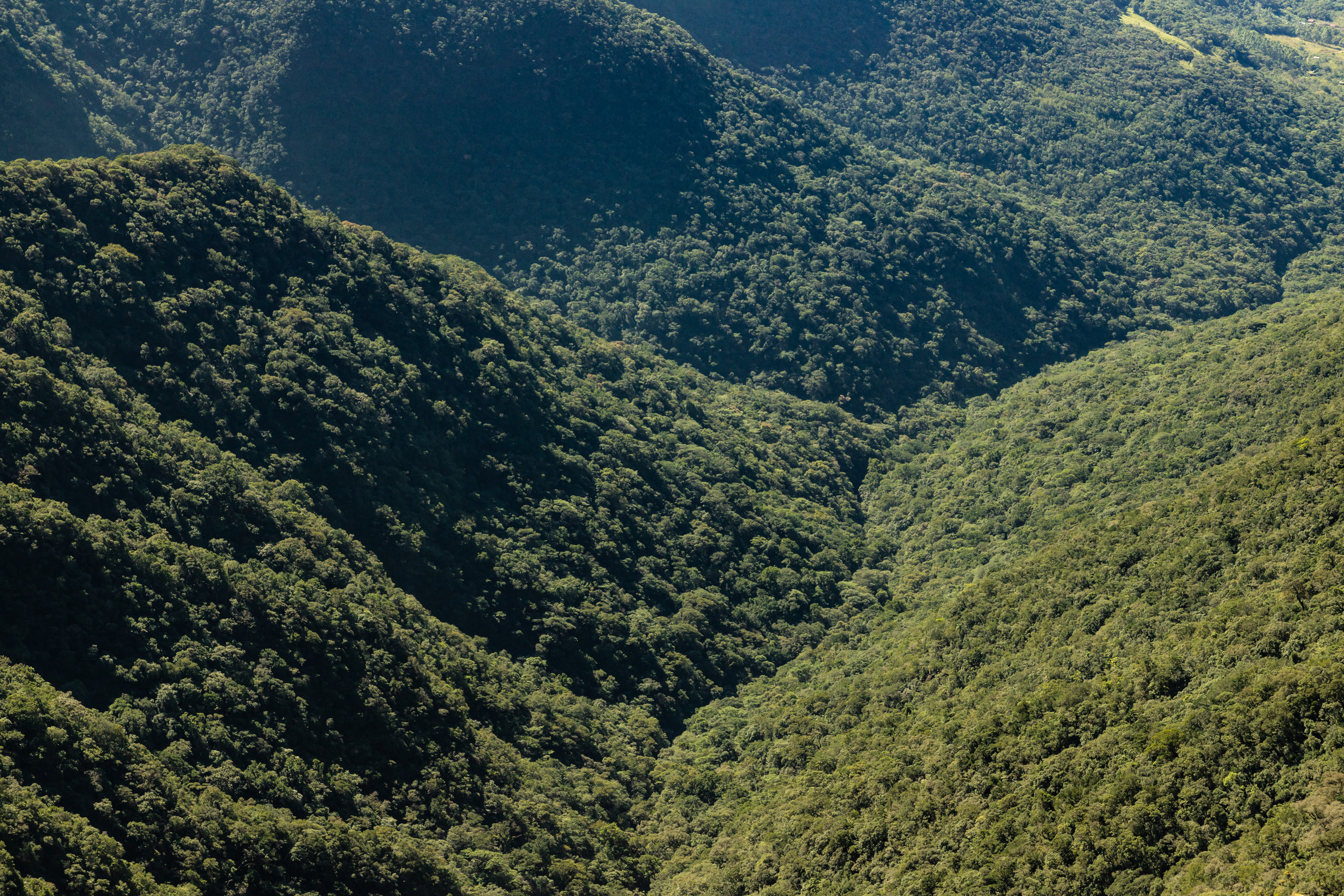
BY THE OPTIMIST DAILY EDITORIAL TEAM Brazil, a country at the heart of the world’s climate future, has taken a major step by creating 10 newly recognized Indigenous territories. The announcement came at a moment of heightened emotions and protests both inside and outside the COP30 conference, Read More...
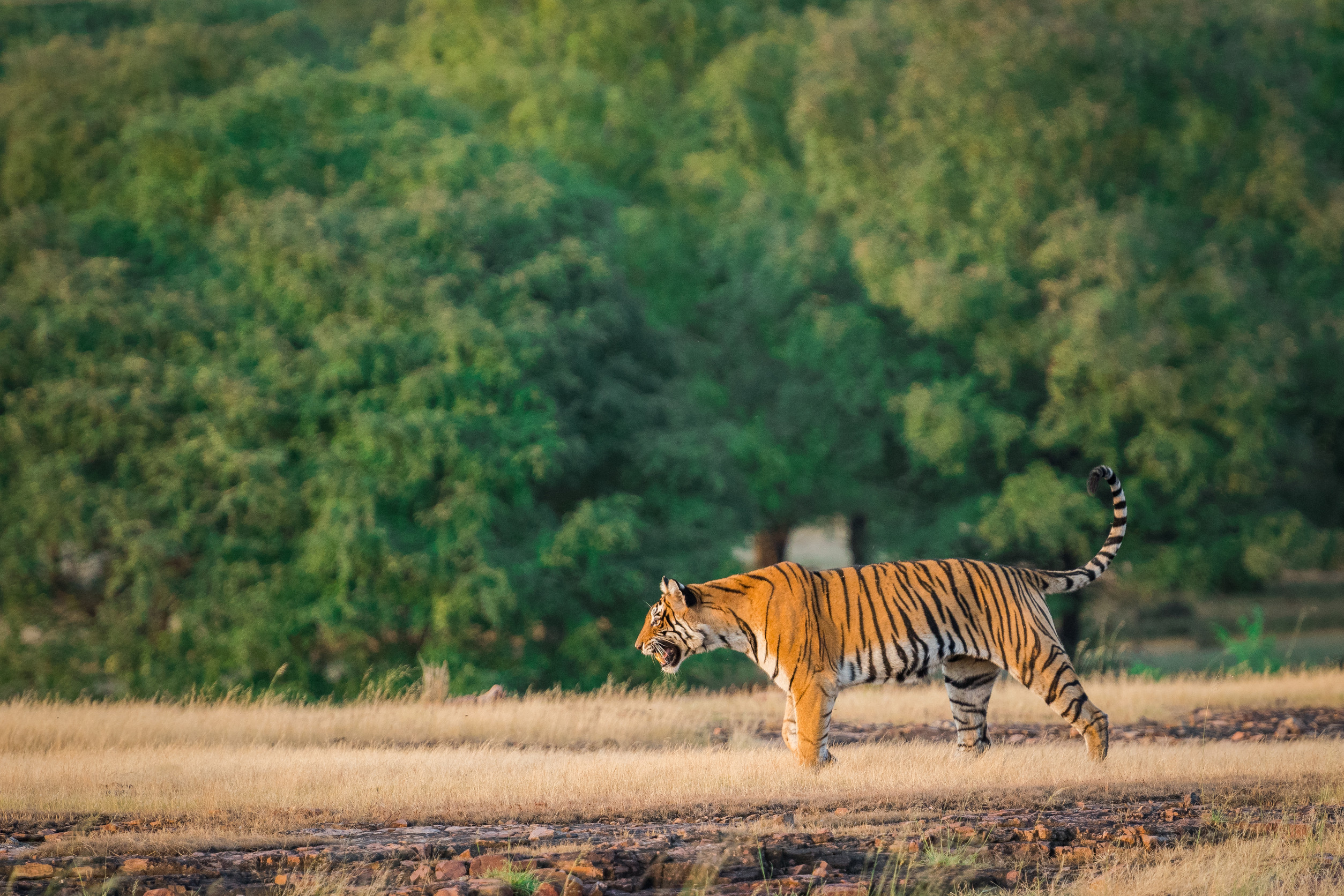
BY THE OPTIMIST DAILY EDITORIAL TEAM For years, headlines have warned that Earth is entering a sixth mass extinction. But new research suggests that this dire picture may be more nuanced, and even somewhat hopeful. A study by Kristen Saban and John Wiens of the University of Arizona's Read More...
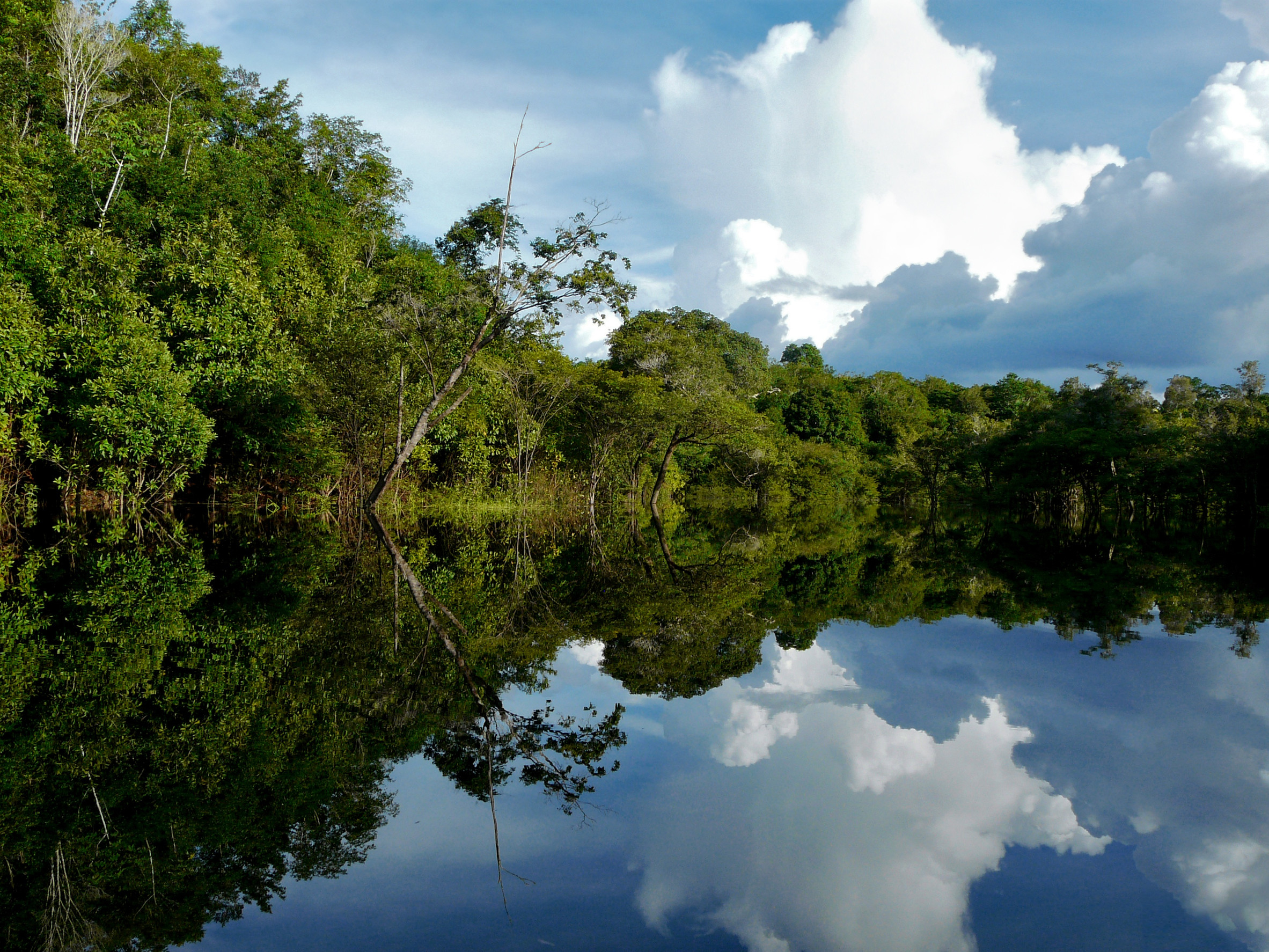
BY THE OPTIMIST DAILY EDITORIAL TEAM Deforestation in Brazil’s Amazon rainforest has fallen to its lowest level in more than a decade, according to new government data. This encouraging milestone appears just days before the country hosts the upcoming United Nations climate summit, Read More...

Episode Description: In this week’s episode, Arielle and Karissa gab about two groundbreaking medical solutions changing lives: a one-time gene therapy that helps children with ADA-SCID develop healthy immune systems, and new pediatric guidelines that could drastically reduce peanut allergies. Read More...
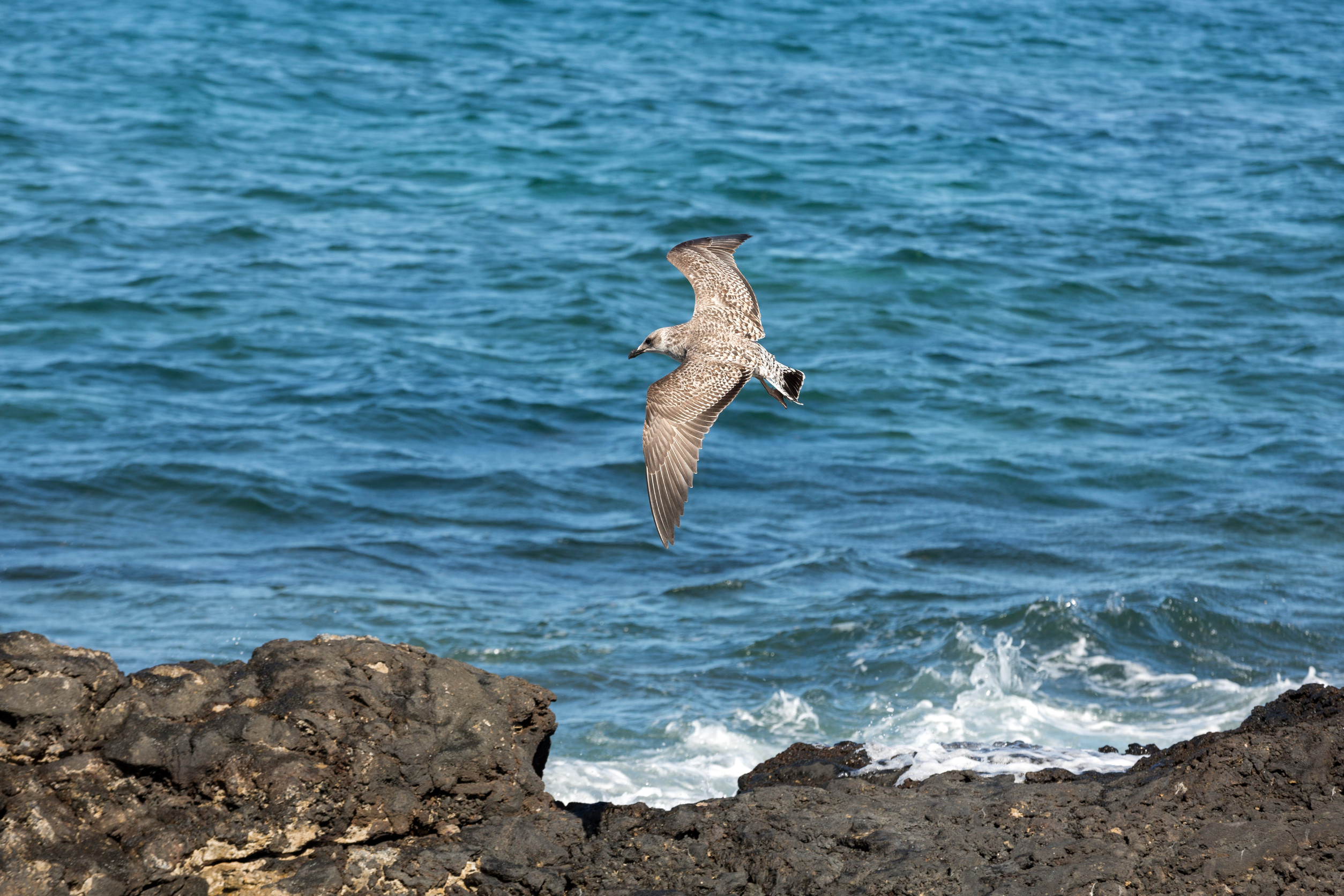
BY THE OPTIMIST DAILY EDITORIAL TEAM In a move to bolster ocean conservation, Spain designated six new marine zones: five as marine protected areas (MPAs) and one as a seabird sanctuary, which adds an impressive 17,000 square kilometers of protected waters. This strategic expansion raises Read More...