


Search

BY THE OPTIMIST DAILY EDITORIAL TEAM If you’ve seen people dramatically flinging open their windows on social media lately, declaring it’s time to “burp the house,” you’re not alone. The name may be playful, but the idea behind the trend (basically flushing stale indoor air with fresh Read More...
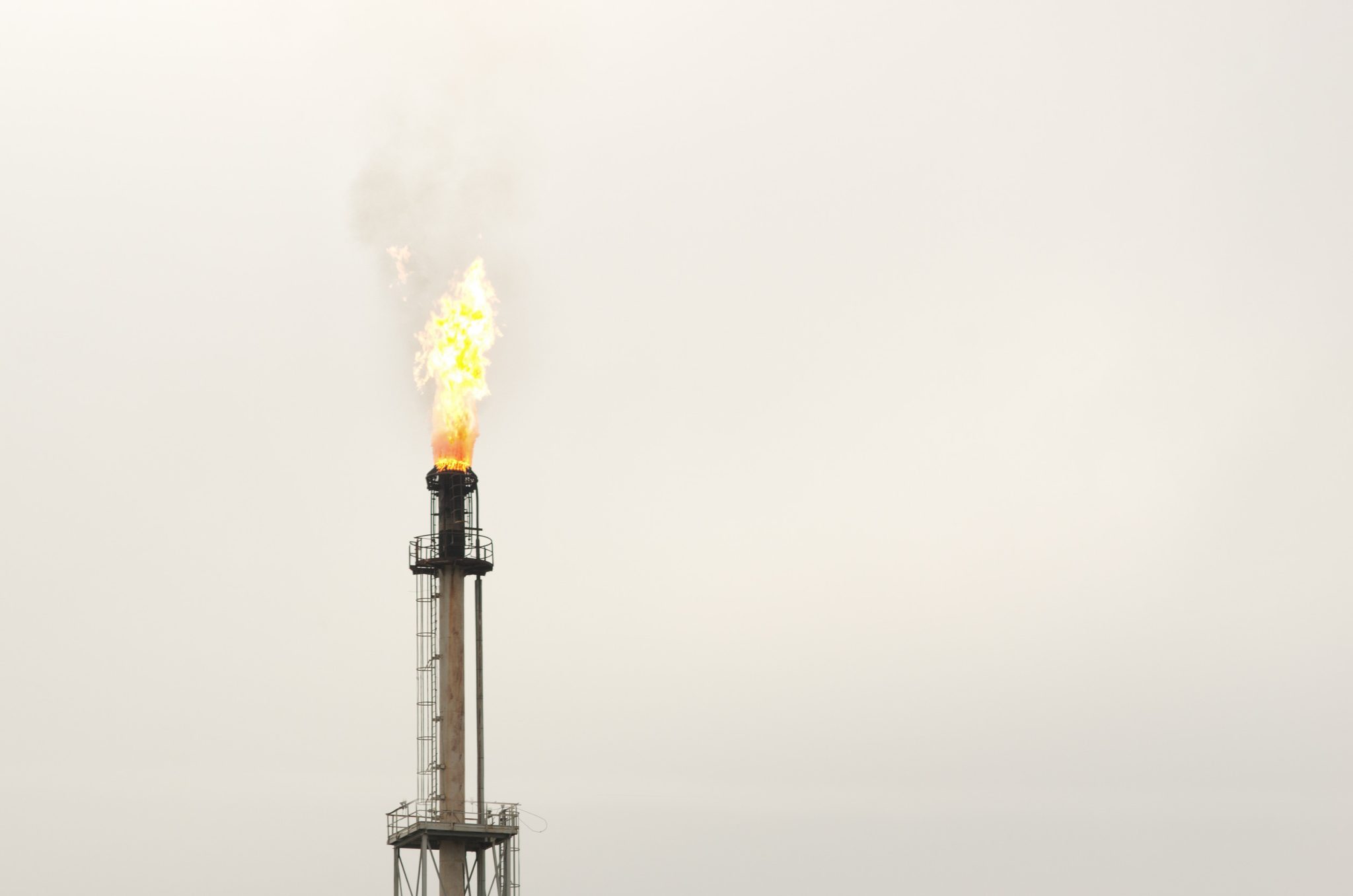
BY THE OPTIMIST DAILY EDITORIAL TEAM In a long-anticipated move, Canada has introduced tougher methane regulations for its oil and gas sector, an industry that accounts for about half of the country’s methane pollution. The goal is to cut methane emissions by 75 percent below 2014 levels by Read More...
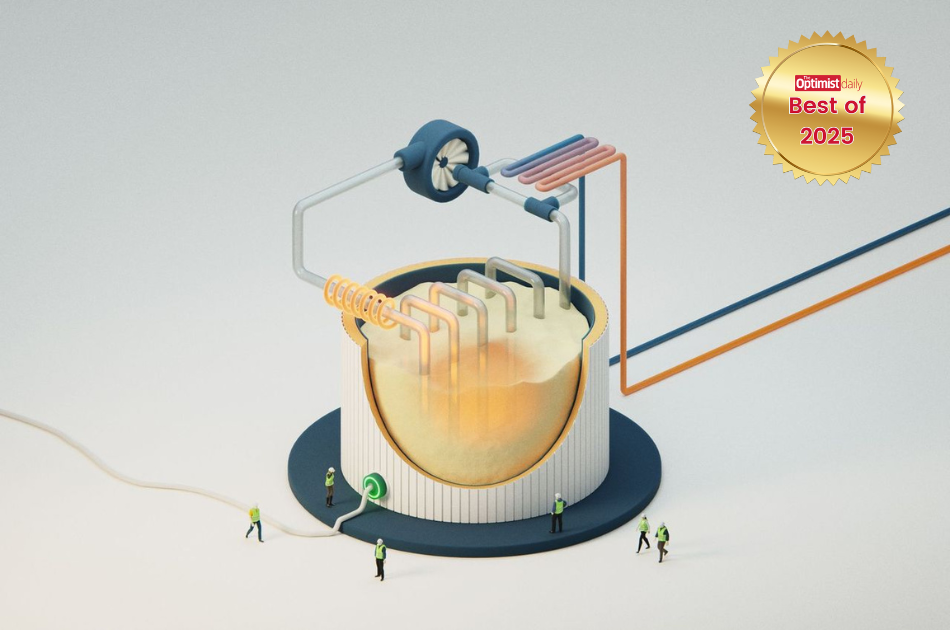
BY THE OPTIMIST DAILY EDITORIAL TEAM To wrap up our Best of 2025 series, we’re sharing something a little more personal… our Staff Picks! These are the articles that sparked extra chats, late-night musings, and genuine delight among our team. They made us think, smile, and (of course) feel a Read More...

BY THE OPTIMIST DAILY EDITORIAL TEAM Today in our Best of 2025 series, we’re highlighting business stories that prove doing good and doing well are not mutually exclusive. From ethical entrepreneurship to bold climate pivots, these are the innovations and ideas reshaping the economy for a more Read More...

Once a symbol of fossil fuel extraction, the remote Nini oil field in the North Sea is preparing for a new role: storing millions of tonnes of carbon dioxide beneath the ocean floor. Chemical giant INEOS, through its Greensand Future project, is preparing to launch what will become the European Read More...
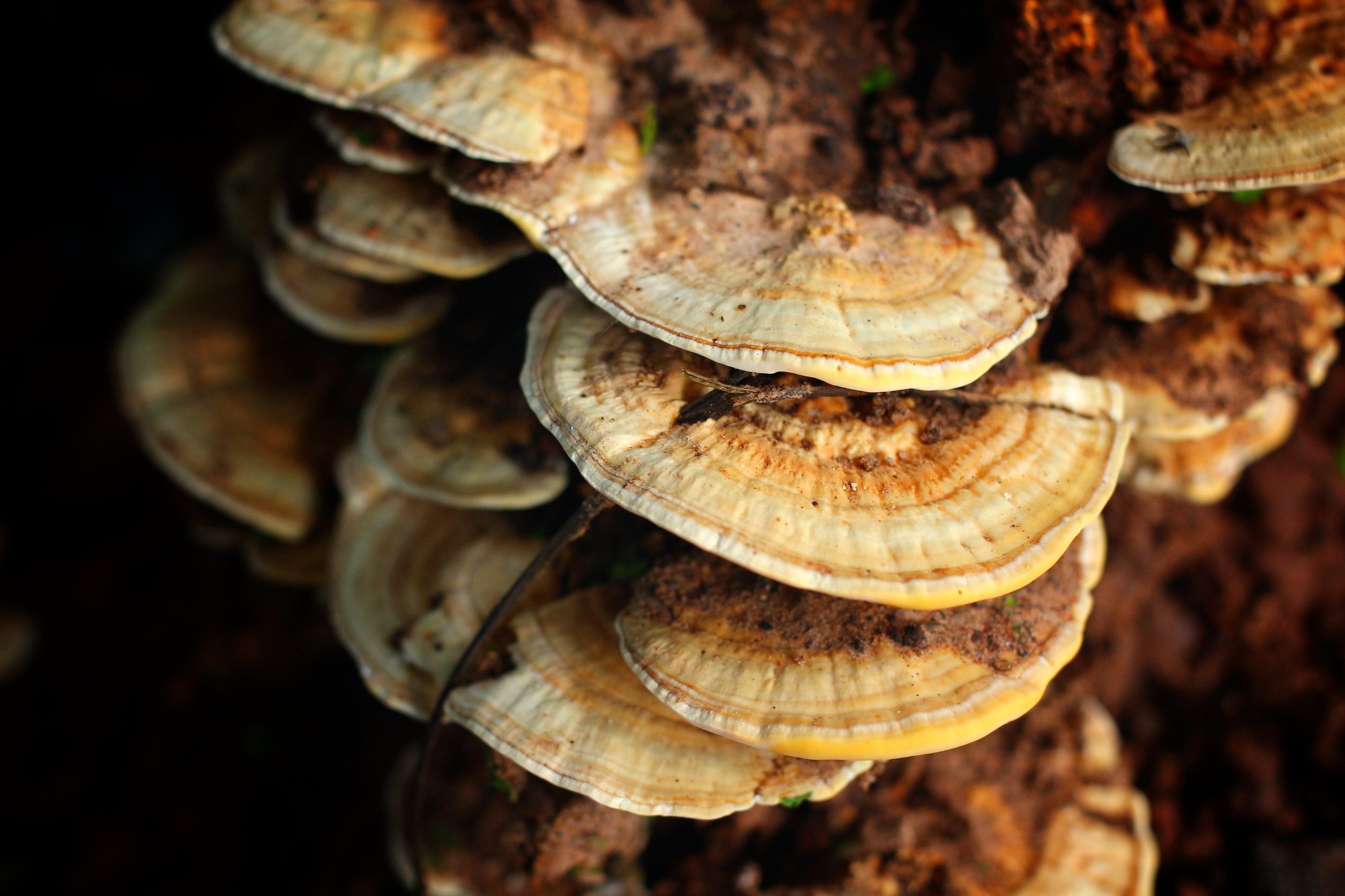
BY THE OPTIMIST DAILY EDITORIAL TEAM In a quiet lab in the Netherlands, Professor Han Wösten holds up what looks like a spongy brick. It may not seem like much at first glance, but this block, made from the rooting networks of fungi, could be a window into the future of sustainable Read More...
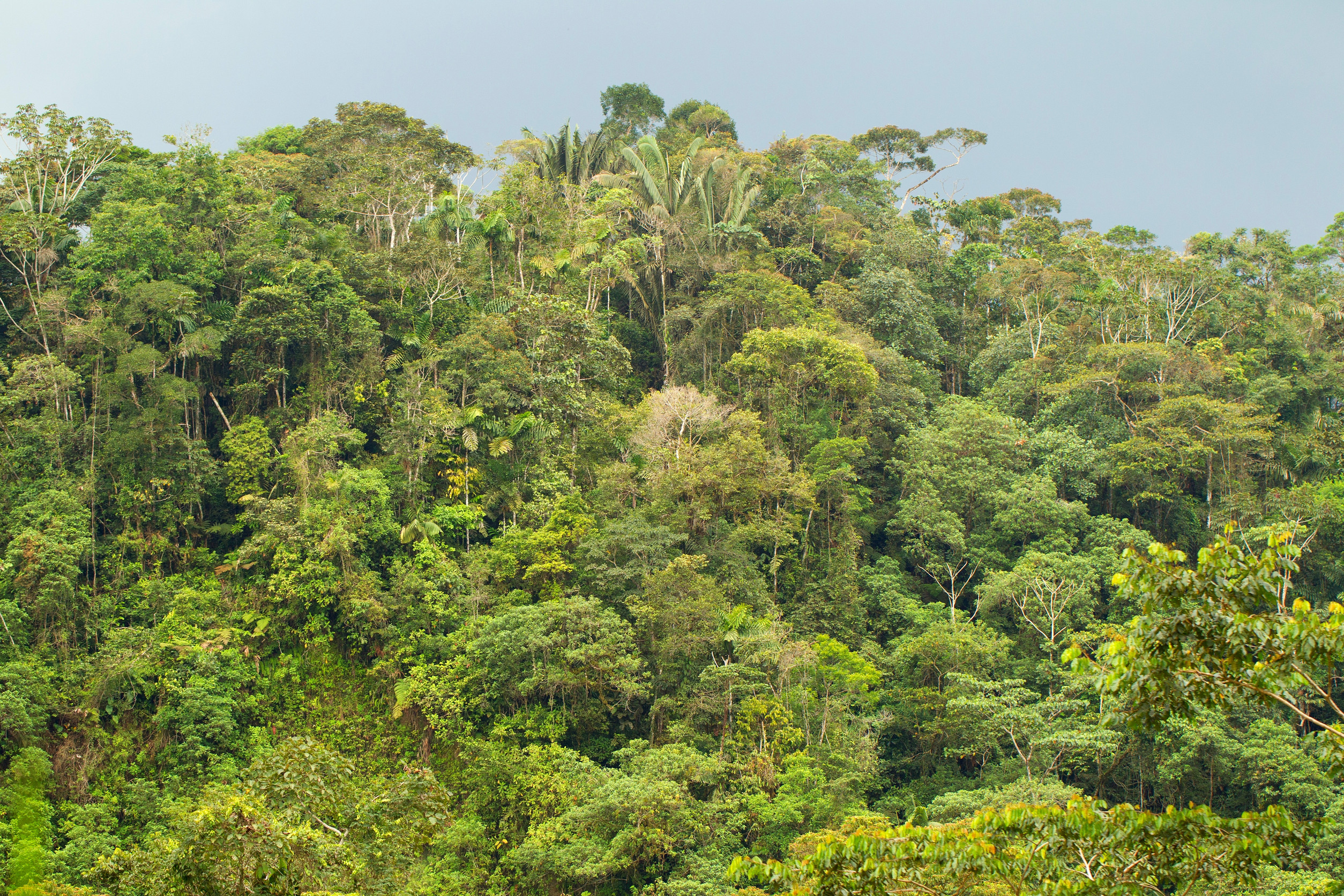
BY THE OPTIMIST DAILY EDITORIAL TEAM When we talk about the Amazon rainforest and climate change, the news is usually grim: deforestation, rising temperatures, and biodiversity loss. But a new study offers an unexpected bit of hope. Despite the growing pressures of global warming and human Read More...
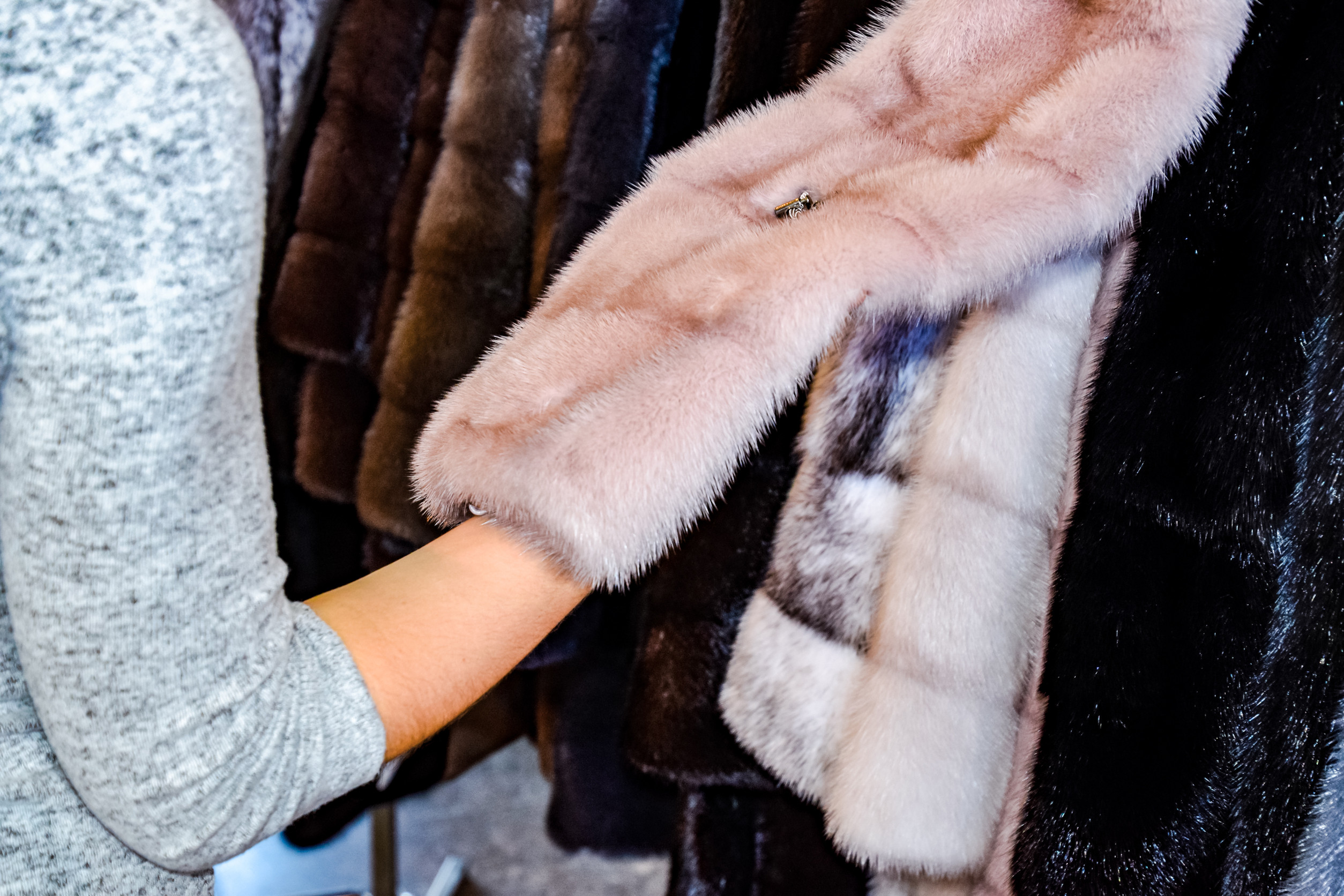
BY THE OPTIMIST DAILY EDITORIAL TEAM In 2014, over 140 million animals like minks, foxes, and raccoon dogs were farmed and killed for their fur. By 2023, that number dropped to around 20 million, according to a Humane World for Animals analysis using global and industry data. Though it excludes Read More...
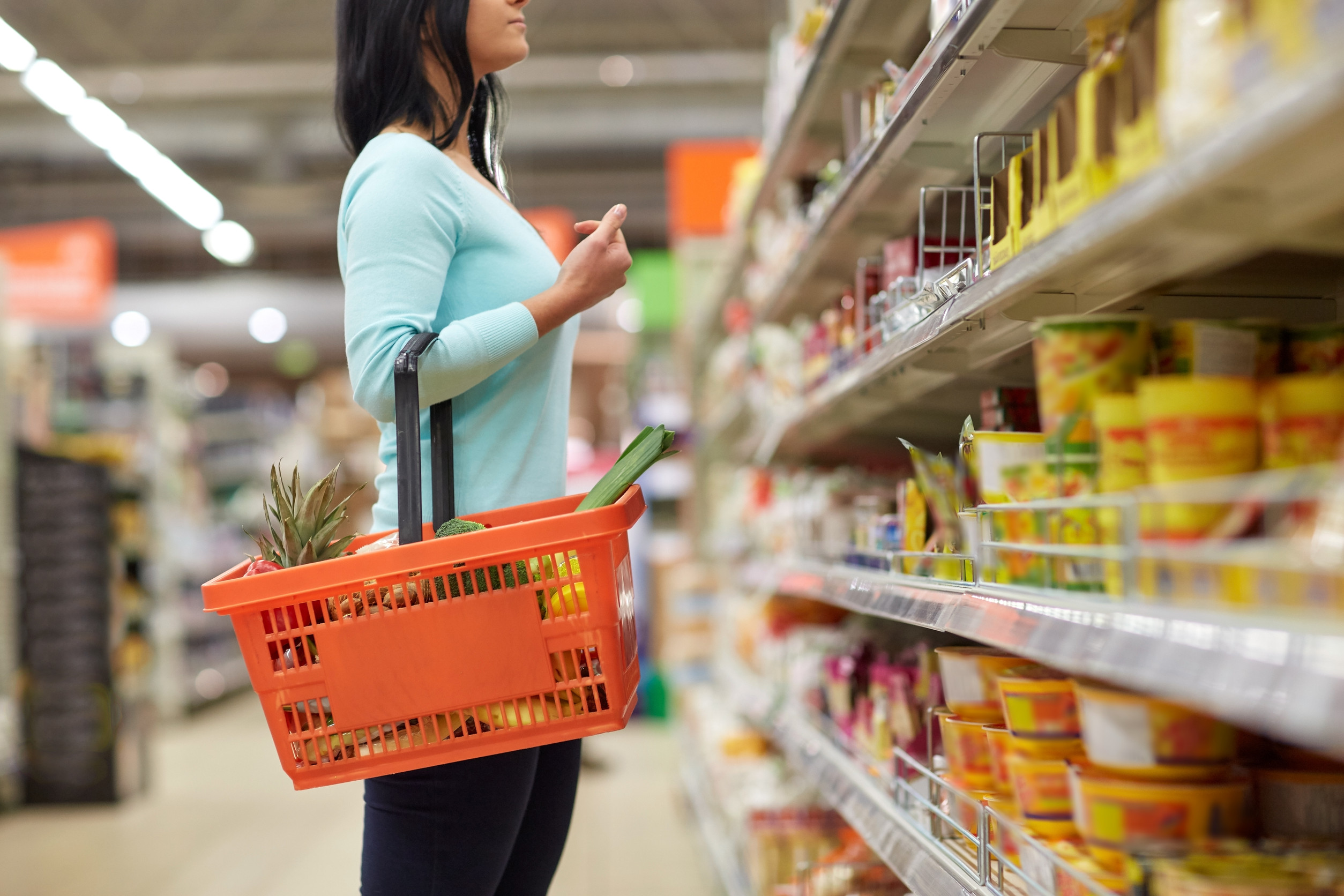
BY THE OPTIMIST DAILY EDITORIAL TEAM We all know that grocery prices are currently astronomical. Now pair that with another stat: the U.S. Department of Agriculture says 30 to 40 percent of food ends up in landfills, producing methane, a greenhouse gas even more potent than carbon dioxide. Read More...

Episode Description: In this episode, Karissa and Arielle explore two uplifting stories of transformation. First, they look at how Southern California communities are rebuilding sustainably after the Eaton Fire—repurposing concrete, steel, and trees into roads, buildings, and soil. Then, they Read More...