


Search

Economic prosperity and environmental preservation are often portrayed as mutually exclusive goals. But do we really have to choose between financial health and a healthy planet for future generations? Research from 41 states across the US says no. Research from the World Resources Institute Read More...

As the titans of the tech industry have come under increasing public scrutiny for their massive carbon footprints, lately we’ve seen an increasing number of such companies step up their commitments to tackle the climate crisis. Apple is the latest tech giant to make such a pledge, recently Read More...

The process of fermenting beer releases a whole lot of carbon dioxide (CO2). In fact, it takes a tree about two days to absorb the CO2 released from producing just one six-pack of beer. By adding algae to the beer production process, a brewery called Young Henrys in Australia hopes to dramatically Read More...

Researchers are clear that cutting the fossil fuel burning that releases carbon dioxide is the most important action needed to tackle the climate emergency. But climate scientists also agree that, in addition, massive amounts of CO2 need to be removed from the air to meet the Paris Agreement goals Read More...

Inside a lab in Rehovot, Israel, a 3D printer the size of an industrial refrigerator is busy printing plant-based steaks. Redefine Meat, the startup that developed the technology, sees it as the next step for the world of alternative protein: If companies like Impossible Foods have created Read More...
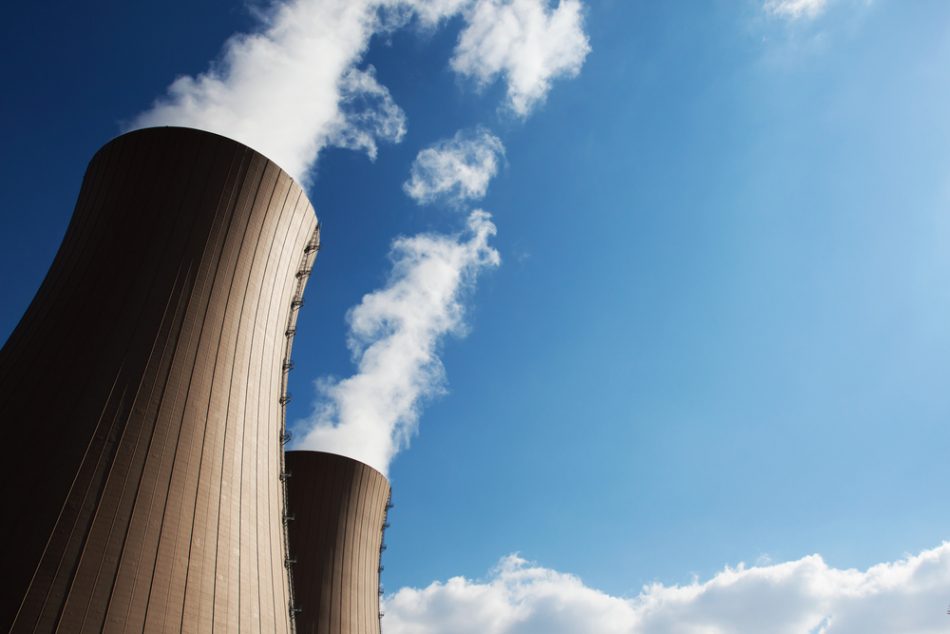
Power plants give off vast amounts of greenhouse gas emissions, but a new technology could help curb these devastating effects by harnessing exhaust to generate even more power. According to research published this month in the journal ACS Sustainable Chemical Engineering, the technology is not Read More...

While typically sloths are not on display at Atlanta’s Botanical Garden, over the next couple of months, the garden’s visitors will be treated to the peculiar sight of a cute, sloth-resembling robot hanging out amongst the trees, watchfully observing the natural environment around it. The Read More...

In a new factory on the Swedish coast, a startup called Volta Greentech will soon begin commercial production of Asparagopsis taxiformis, a type of red seaweed that’s never before been grown on land. The seaweed is being farmed because it has a unique ability to fight climate change: When it’s Read More...

On a beach in the Caribbean, a nonprofit called Project Vesta will soon begin testing a radical new way to fight climate change that involves spreading ground-up olivine—a cheap green mineral—over the sand, where ocean waves will break down the mineral, which in turn will pull CO2 from the Read More...

Hydrogen fuel has seemingly fallen off the radar considering all the hype that surrounded this potentially sustainable fuel source in past years. Other than a blatant lack of infrastructure, a big problem with hydrogen fuel is that we haven’t figured out a way to produce hydrogen fuel in a clean, Read More...