


Search

A common response to the increase in sunshine and fresh spring air is an undeniable desire to purge the heaviness of winter from our homes and make everything feel as clean and new as the budding light-green baby leaves on the trees outside. Even though spring cleaning can be hard work, Read More...

“Nature alone is antique, and the oldest art a mushroom.” - Thomas Carlyle, Scottish philosopher, and essayist Science is ever-changing. Scientists and physicians used to be sure that contagions and diseases were spread from person to person by smell. This was called the Miasma Theory, and Read More...

These days our homes are more integral in our lives than ever. They serve as spaces of work, play, and rest. If you’re getting a bit tired of looking at your own walls, here are some tips from interior designers on simple ways to spruce up your home. 1. Open up your pantry Glass-fronted or Read More...

The average American spends two-and-a-half hours a day eating, and while eating we’re usually doing something else too. Because we're working, driving, reading, watching television, or fiddling with an electronic device, we're not fully aware of what we're eating. This mindless eating—a lack of Read More...

Being a sustainable fashionista doesn’t mean simply buying clothes that will last long. It also means taking caring care of the clothes you have to ensure their longevity. With this in mind, let’s take a look at how to take care of your sneakers so that they last as long as possible. Wipe them Read More...

When it comes to climate change, just reading the news can be overwhelming. Hearing about wildfires and droughts, considering greenwashing and corporate carbon emissions, it’s easy to become stressed without even leaving your house, to think that there’s nothing you can do as an individual to Read More...

Cutting down on food waste helps the environment in a number of important ways. Most obviously, it saves the resources and energy that go into producing unneeded food at every step of the supply chain, from farming to packaging and shipping. Food that winds up rotting in landfills also produces Read More...
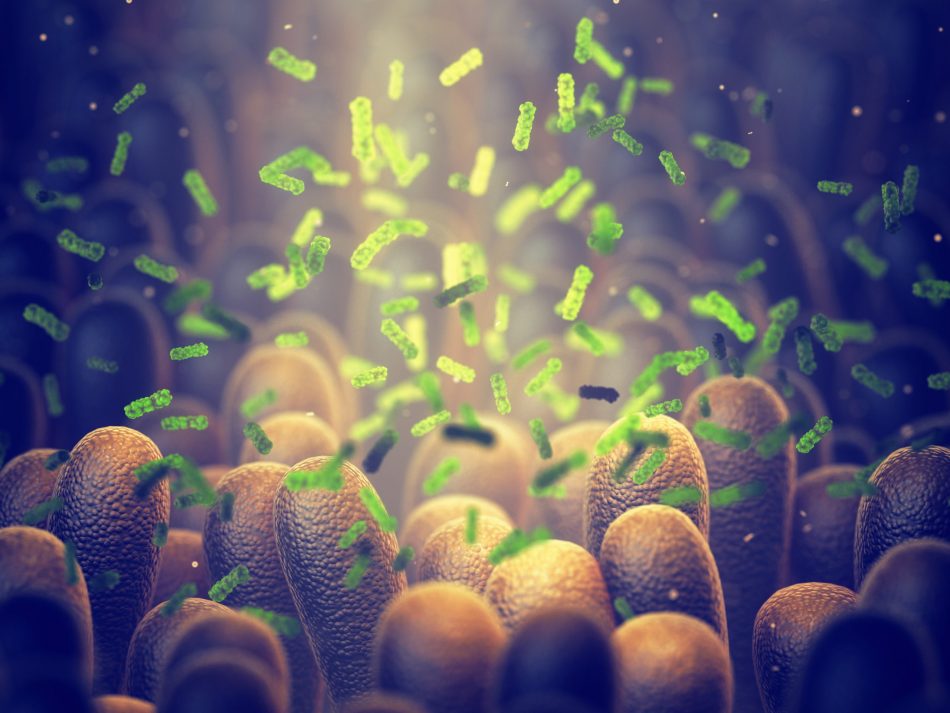
Ammonia fertilizers have been effective at helping farmers grow their commercial crops. However, they’re also one of the major sources of nitrogen pollution, contaminating waterways and threatening biodiversity. A recent study, published in the American Society for Microbiology, however, suggests Read More...

Providing our readers with planet-saving tips and products is something we're passionate about at The Optimist Daily. With climate change lingering over humanity's head, people want to make changes in their everyday lives to slow this process as much as possible. This was apparent by the boost in Read More...

We’ve previously talked about the benefits of spirulina. Considered a superfood, blue-green algae have been touted for its high nutritional value. And although it has become popular as a supplement among wellness-focused people, the algae still hasn’t reached mainstream adoption. That may Read More...