


Search

Understandably, there’s a particularly high commuter rate going from Southern California to Las Vegas. While people come from all over the world to party in Las Vegas, those coming from So-Cal have regular flights and even create notable traffic jams on their way, creating an unnecessary amount Read More...

“There are no passengers on Spaceship Earth. We are all crew.” — Marshall McLuhan, philosopher As far as we know, Earth is the best place in the Universe. The search for life beyond our planet and even our solar system is ongoing, and one day we could very well make the Read More...

BY THE OPTIMIST DAILY EDITORIAL TEAM A huge focus of research in scientific fields is to make things more efficient. This can mean simplifying designs and reducing energy consumption, or it can mean doing two things at once. In the case of researchers from Rice University, they are doing two Read More...
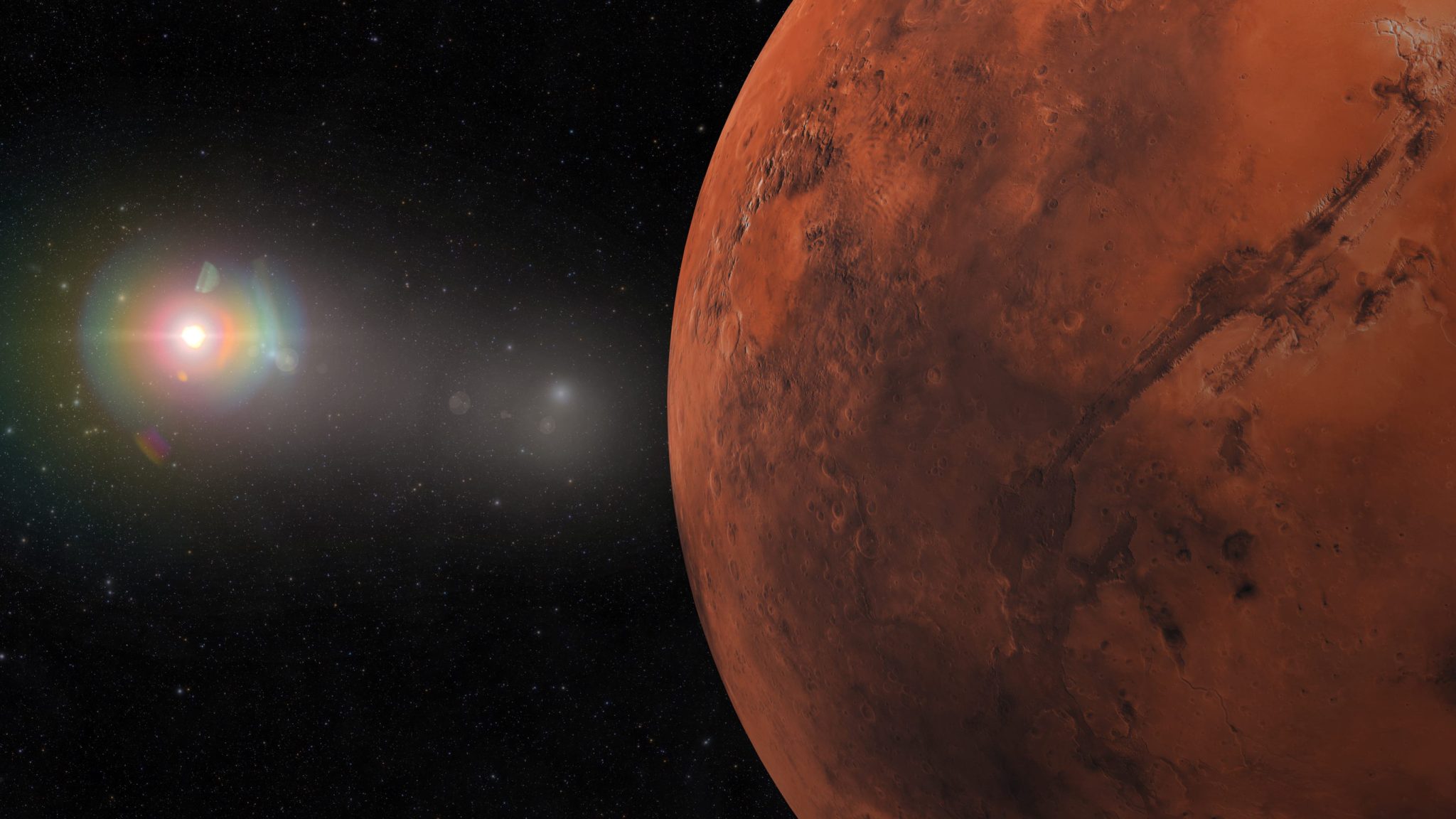
If you’ve ever wondered what Mars sounds like, then NASA’s Perseverance rover has answers for you! The robot landed on the Red Planet in early 2021 where it has been conducting experiments and collecting samples for scientists here on Earth to analyze. We’ve previously reported on its Read More...

We have written at length, in great volume, and with great enthusiasm about the importance of green spaces in cities, carbon sinks, and environmentally helpful trees in general. Forests are absolutely essential to sequestering carbon and our continued adaptation to a changing climate, but some Read More...

The world’s cities and population centers are overwhelmingly located near water. This makes good sense since water is essential for living, and throughout history, people have built their settlements where water is accessible and in abundant supply. However, in recent decades the vital good that Read More...

As space exploration develops further, scientists and engineers are innovating more outlandish ways for humans to survive beyond our planet. What was once magic becomes science as experts think outside the box and brilliantly repurpose resources in closed environments, such as growing lettuce in Read More...

We all know that things happening below the Earth’s crust, the top layer in which humans inhabit, impact what’s going on above. From volcanoes to tsunamis, the huge tectonic plates beneath our feet are hugely influential. For the first time ever, scientists have discovered how life above has Read More...

By delving into our past, we afford ourselves ways to learn about our present and our future. Planetary scientists from Yale University have delved very deeply into our past and discovered perhaps how life was able to form on our planet. Earth’s uninhabitable period In the first 500 million Read More...

The impressive Bay Area-based startup, Twelve, is on a mission to replace petrochemicals at a large scale so that it can significantly slash global energy emissions—something that we urgently need to do for our species’ survival. Converting CO2 into something useful How will they do it? Read More...