



Nine new tardigrade species discovered with help from Danish schoolchildren
BY THE OPTIMIST DAILY EDITORIAL TEAM Tardigrades, also known as water bears, are small, resilient creatures that have fascinated scientists for decades. These tiny organisms can survive extreme conditions—freezing, high radiation, and even the vacuum of space. While tardigrades may not grab Read More...

Dogs are rewilding the quaint town of Lewes' urban nature reserve
BY THE OPTIMIST DAILY EDITORIAL TEAM In a joyful and unique attempt to rewild an urban nature reserve in the picturesque town of Lewes, East Sussex, local dogs have been adorned with seed-filled backpacks to simulate the ecological role once served by wolves. This project, coordinated by the Read More...

How the Sounds Right project brings harmony to environmental protection and music
In the realm of music, inspiration can strike from the most unexpected sources. From the soft rustle of leaves to the grand roar of a waterfall, nature's symphony has long served as the backdrop for many melodies. Take the hit "Blackbird" by The Beatles—halfway through the track the sweet sound Read More...

Mongolia signs historic climate finance deal to protect grasslands
Mongolia's government and a coalition of partners signed a pioneering nature financing deal, marking a watershed moment in environmental protection. This historic agreement seeks to protect 35.6 million acres of the country's pristine lands and rivers, including the world's last vast swath of Read More...

“Twilight Zone” fungi from the ocean’s depths—a new frontier for antibiotic discovery
In a revolutionary discovery, the largest-ever investigation of ocean DNA, published in the journal Frontiers in Science, has shown a plethora of fungi living in the ocean's mysterious twilight zone. This enormous study builds on a comprehensive ocean DNA catalog that includes over 317 million Read More...
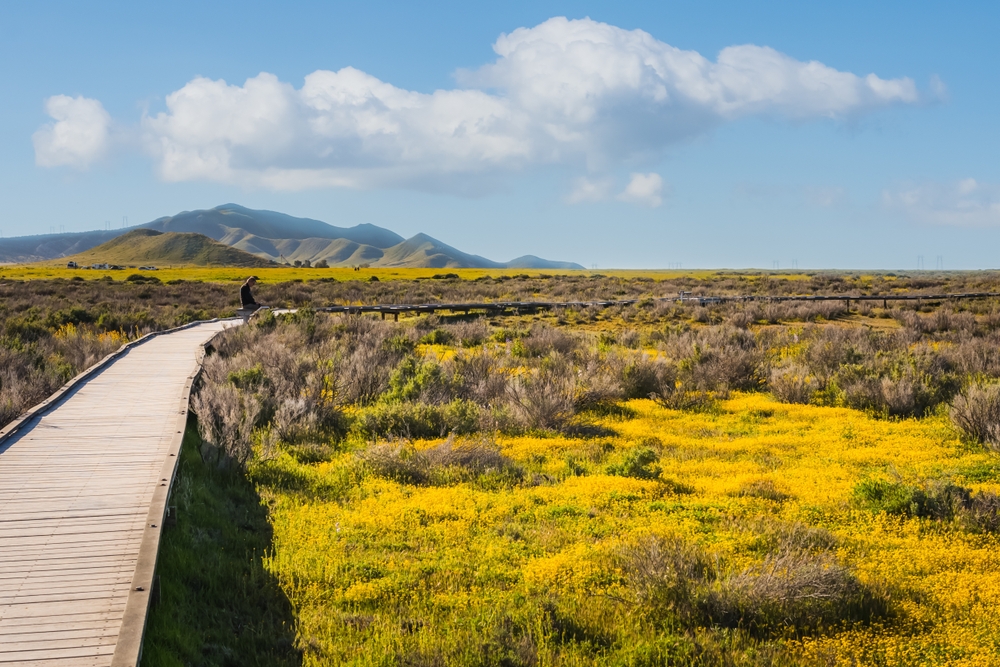
Nurturing nature: The US launches the biggest-ever survey of nature and wildlife
With the unprecedented National Nature Assessment, the United States is beginning a ground-breaking adventure to protect its natural resources. In a presentation at the Ecological Society of America Conference in Oregon earlier this week, Phil Levin, director of the project and part of the faculty Read More...
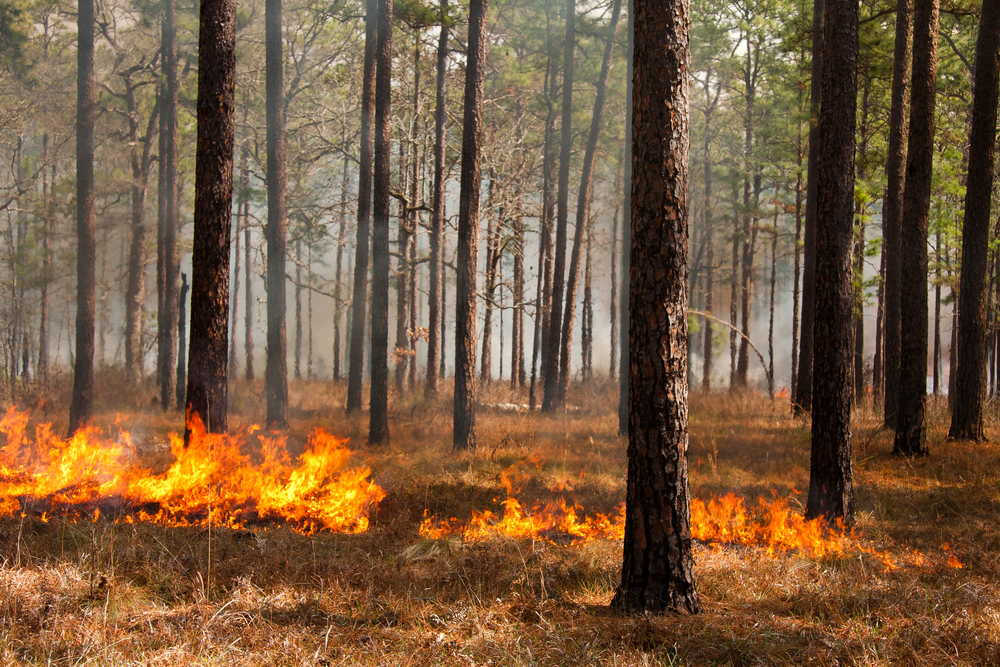
Prescribed thinning and controlled burns critical in preventing California wildfires
A pioneering two-decade-long study done in California's Sierra Nevada mountains confirms the effectiveness of forest management strategies such as restorative thinning and regulated burning in reducing the state's rising threat of catastrophic wildfires. This thorough study, conducted by the Read More...
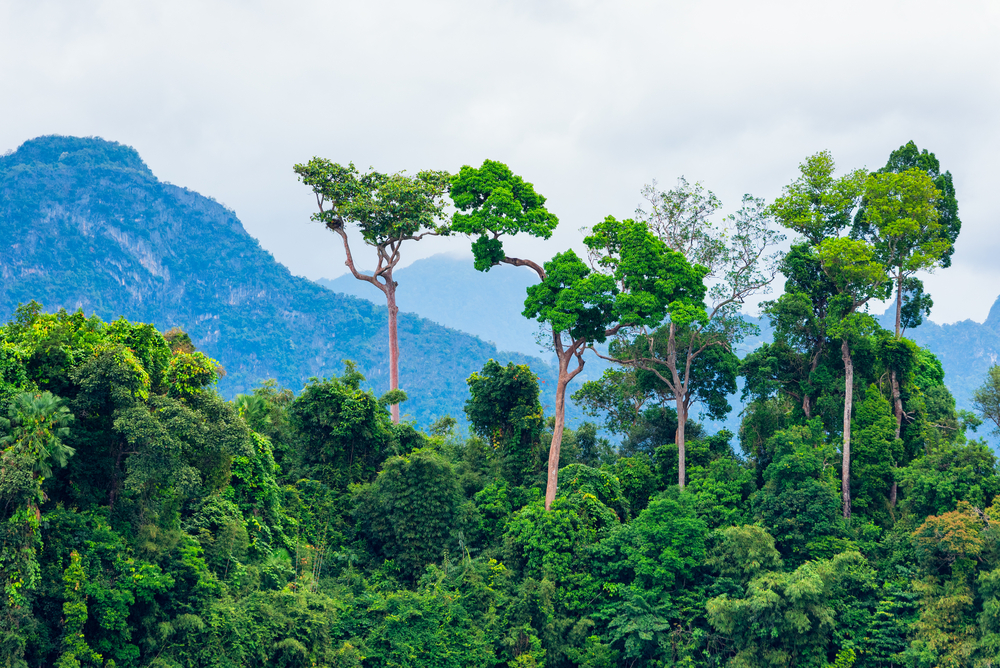
Ecuadorians take a stand and vote to save the heart of the Amazon from oil drilling
Ecuadorians made history by voting to prohibit the development of new oil wells in the Yasuní national park, in a resounding display of environmental consciousness and civic engagement. This amazing verdict not only protects one of the world's most biodiverse places but also establishes a global Read More...
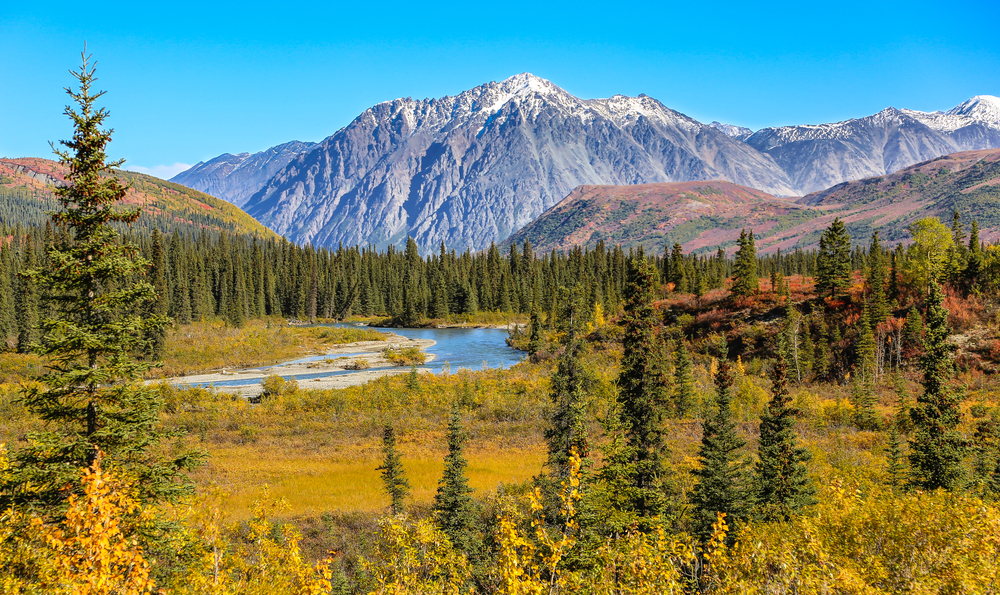
Extending conservation across 1% of the planet: A crucial strategy for biodiversity preservation
In an important breakthrough, a recent study conducted by esteemed scientists from the National University of Singapore (NUS), Durham University, and Princeton University reveals a powerful solution to preserve Earth's biodiversity. According to a press release from Durham University, the study Read More...

Embrace the buzz by attracting beneficial bugs to your garden
There's more to a successful garden than just the plants you pick out; it's also about the beneficial bugs that call it home. These modest beings are critical to the health and balance of your garden environment. They are nature's allies, from pollinators to pest predators. Your garden may become Read More...