


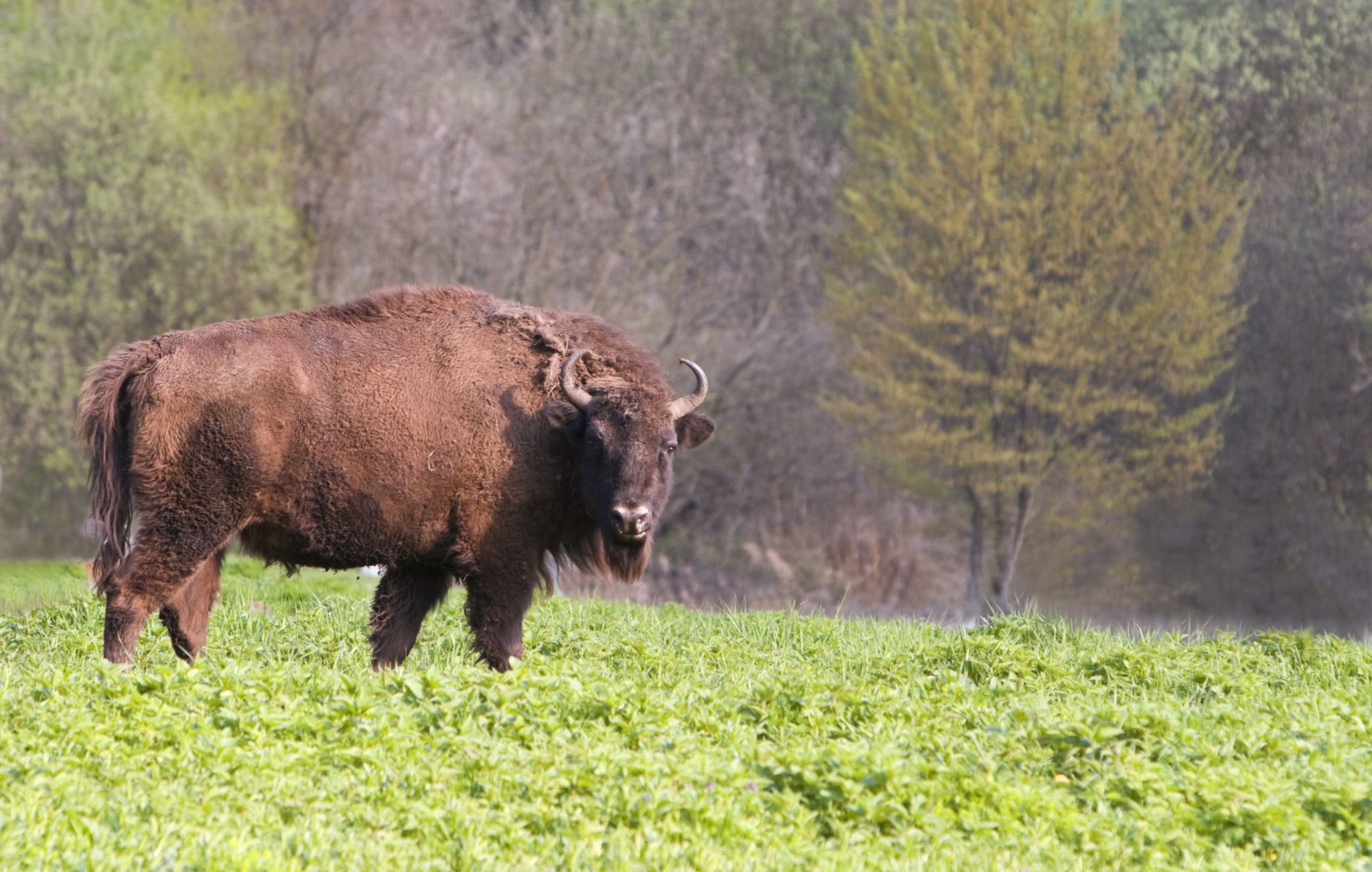
Bison return to Romania after more than two centuries
After 200 years of absence, the bison is once again a proud resident of Romania’s Carpathian Mountains. Though a less common sight than it was a few hundred years ago, the majestic animal is now making a determined comeback to the country’s wilderness, thanks to long-term conservation Read More...
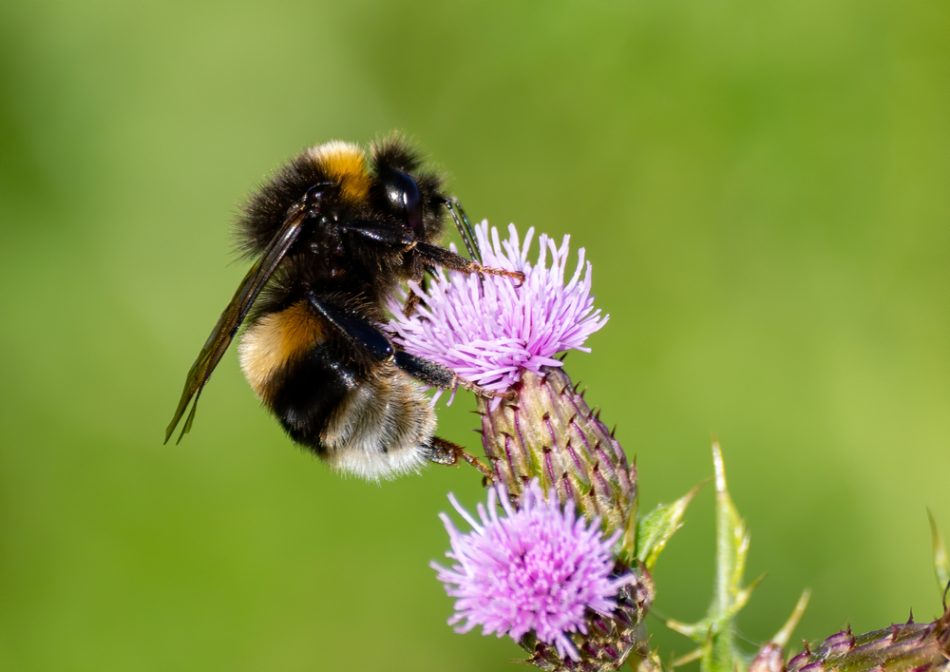
Bumblebees help solidify the link between microbiome and memory
The term 'microbiome' has been thrown around a lot over the past few years with many studies and health companies finding that a healthy gut balance can decrease your risk of cancer, clear up your skin, and improve mental health, just to name a few. Memory and the microbiome Recently, a study Read More...

This all-female rainforest team is protecting India’s endangered flora
One of the most alarming effects of climate change is the toll it takes on global biodiversity. While these impacts are only expected to exacerbate over time if we don’t act with urgency, some natural parts of the world are already feeling the sting of global warming. Among these places is Read More...

Rwanda’s mountain gorillas represent a successful conservation story
Following years of poaching and habitat destruction, the population of mountain gorillas in Rwanda once numbered under 260 individuals. Now, Rwandan gorillas represent a rare conservation success and a key economic engine for the East African country, reports CBS. "One of, if not the top source, Read More...

30 White rhinos make record journey to Akagera national park
White rhinos are classified as near threatened, with numbers dropping due to poaching. In a bid to improve the outlook for the species, 30 of these giant animals recently made the journey from South Africa to Rwanda in the largest single rhino translocation in history. Weighing 1.5 tons each, Read More...

Conservationists bring the Saharan gazelle back from the brink of extinction
The mhorr, more commonly known as the Dama gazelles, were once a common sight in Naudhibou, Mauritania. But following years of local unrest and indiscriminate hunting, the species was pushed to the brink of extinction about half a century ago, leaving conservationists little hope about the Read More...

Researchers identify rare parthenogenesis births in California condors
The resurgence of the California condor is an inspiring case study for conservationists. There are now more than 500 condors living in the wild in the state, up from just 22 in 1982. The birds continue to surprise and amaze scientists as geneticists have confirmed that two of the birds reproduced Read More...

Cape Verde's sea turtle conservation efforts prove to be a resounding success
The West African island nation of Cape Verde is experiencing first-hand the rewards of years of conservation effort. In the past five years, Cape Verde has seen a surge in sea turtle populations across all 10 of its islands. According to the country’s environment ministry, last year’s nest Read More...

Grauer’s gorilla population makes surprising comeback in DRC
A recent study led by the Wildlife Conservation Society (WCS) has good news for gorillas. The study found that the number of Grauer’s gorillas, the world’s largest gorilla subspecies, has increased from 6,800 compared to a 2016 estimate of 3,800. The 3,000 animal increase is a promising sign Read More...

Arabian leopard cub could help save the species from extinction
The Arabian leopard has roamed the Arabian Peninsula for more than 500,000 years, but due to habitat loss and human conflict, the species’ population has been pushed to the brink of extinction, with only about 200 animals now remaining in the wild. The birth of a recent cub, however, brings new Read More...