



Researchers teach otters to problem-solve in groups
Researchers from the University of Exeter examined the behavior of otters to see if they could learn to hunt and forage on their own once they were released into the wild. They did this using puzzle boxes filled with food. Problem-solving for food Looking at Asian short-clawed otters, Read More...

US unveils plan to ban single-use plastic in national parks
Plastic pollution is so prevalent that harmful plastic particles can even be found in drinking water. Robust action on a national scale is needed to stop the flood of plastics into natural environments. Wednesday, on World Oceans Day, the White House announced its plans to phase out single-use Read More...

New device helps protect endangered whales from crashing into ships
North Atlantic right whale populations used to thrive in the ocean. As of 2021, though, approximately 300 right whales remain in the wild, a steep drop from 480 right whales counted in 2011. Reasons for the decline of the right whale population include entanglement in fishing nets, habitat loss, Read More...

Wildlife Conservation Society builds massive database of Amazonian wildlife
The Wildlife Conservation Society (WCS) scientists have been working on an enormous project: building an extensive database of the wide array of wildlife in the sprawling Amazon Basin. For this study, an international team of 147 scientists hailing from 122 research institutions and nature Read More...
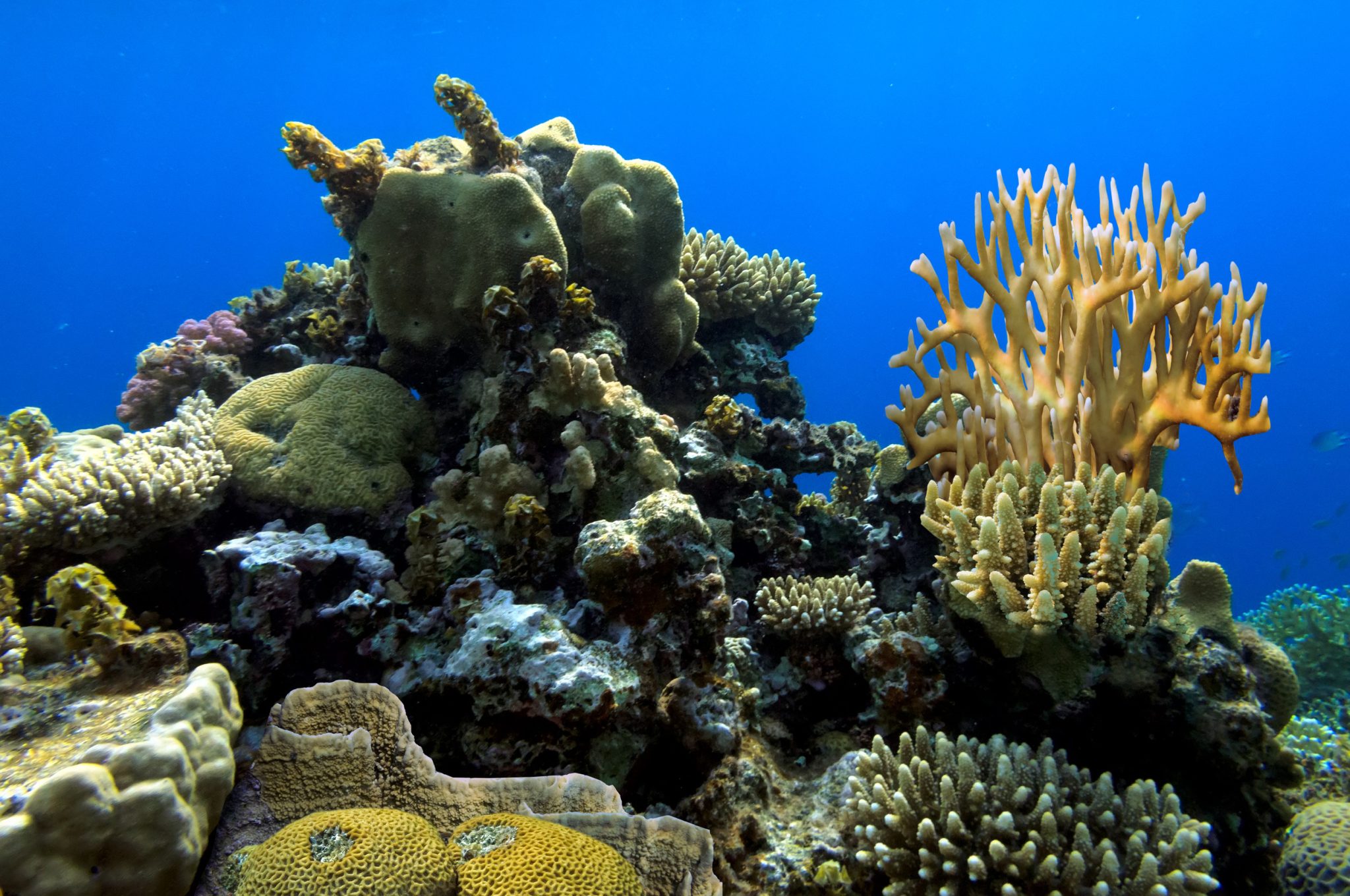
AI exposes coral reefs “singing”
Coral reefs are essential to ocean ecosystems, providing food and homes to all sorts of organisms. Learning as much as possible about these living creatures is important to protect all the life in the vast seas. A team from the University of Exeter is doing just that, creating an algorithm to Read More...

How the Belize Barrier Reef is coming back to life
When Hurricane Iris hit Belize in 2001, it ravaged almost all of the country’s coral reefs. The devastation signaled bad news not only for the surrounding marine life but also for the local communities who rely on reefs for food, work, and protection from storms and erosion. Now, thanks to a Read More...

Meet the animals that refused to go extinct
May 20th marks the 17th annual Endangered Species Day. Every year, thousands of people around the world join together in taking action to protect and celebrate endangered or threatened species. In solidarity with the lives of the wonderful creatures with whom we share Earth, The Optimist Daily Read More...

Asian elephant cured of tuberculosis using new method
Before corona came along, tuberculosis (TB) was the world’s deadliest infectious disease in humans. The contagious virus infects the lungs and spreads to other parts of the body - like the brain and spine - causing severe organ damage. However, this doesn’t stop at humans. TB affects multiple Read More...

If we want to save coral reefs, nations must collaborate to protect them
If left unchecked, the effects of climate change and pollution could erode around 70 to 90 percent of coral reef habitats. In response to this alarming news about how vulnerable these crucial marine habitats are, researchers around the world have focused a lot of their energy on coming up with Read More...

Endangered red wolf pups are born in the wild for the first time in years
The Alligator River National Wildlife Refuge in North Carolina happily welcomed the birth of a litter of wild red wolf pups, an indication that there is still hope for the endangered species. Though US landscapes were once teeming with red wolves, the species suffered, as so many others have, Read More...