



Tackling Toxins with Nature’s Super Clean-up Crew: Mushrooms
Aside from being a delicious and nutritious addition to many meals, mushrooms may be the planet’s best and most functional decomposer. In addition to breaking down traditional objects found in nature, mushrooms have also been found to break down chemicals in soil and heavy metals in water. At Read More...

Meat from Plants, Milk from Oats, and Leather from Mushrooms!
Leather has been worn for centuries and remains an iconic material for fashion today. But leather is not perfect. It requires livestock which requires many resources and the foul treatment of animals and produces millions of tons of waste per year. The word “leather” is quickly becoming Read More...

The once-extinct bearded vulture makes an admirable comeback in the Alps
In the early 20th century, the bearded vulture - one of the world’s largest birds of prey - was hunted to extinction in the Alps, partly due to locals’ superstitious beliefs about the raptor. But recently, the birds have reappeared, flying high over the mountain range in France. This summer, a Read More...

Amazon will soon start forcing third-party sellers to use eco-friendly packaging
Amazon is (finally) doing something to reduce the massive amount of packaging waste that comes from orders off their online store. Starting on September 3, third-party sellers who use excessive packaging for large items will receive a fine from Amazon. Meanwhile, Amazon has been working closely Read More...
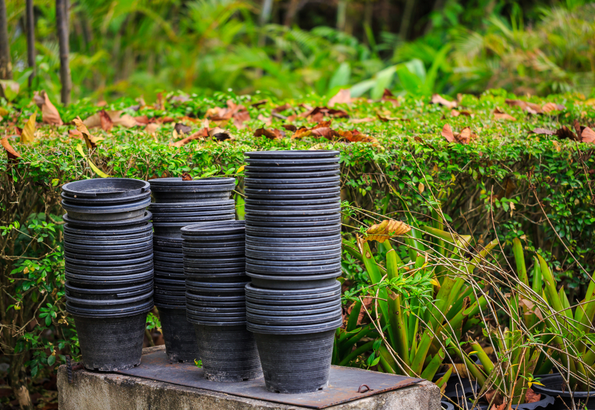
These biodegradable flower pots are made using waste from the paper industry
Buy a plant or flowers and more often than not it will come in a pot made of black plastic that you’ll get rid of once you replant your new purchase. But that black plastic is incredibly hard to recycle, making the act of growing plants more wasteful than it should be. Now there’s a Read More...

The EU steps up its efforts to protect and restore the world’s forests
Deforestation is responsible for 11 percent of global greenhouse gas emissions, half of which are the result of internationally traded agriculture products. On its own, the EU accounts for as much as 36 percent of all global imports of crop and livestock products associated with Read More...

Environmentalists pulled 40 tons of abandoned fishing nets out of the Pacific
When it comes to ocean pollution, fishing nets are especially dangerous to marine life as they drift through the ocean, entangling whales, seals, and turtles. In an effort to rid the ocean of this harmful marine debris, nonprofit Ocean Voyages Institute managed to pull 40 tons of abandoned Read More...

To save the Monarch butterfly, grow this plant in your garden
Monarch butterflies need all the help they can get. Eastern Monarch populations have plummeted 90 percent in just the last two decades, and their Western comrades aren’t fairing all too much better. This is partially to blame on the loss of milkweed in America, a perennial flower that serves Read More...

Before electric planes become the norm, we need airlines to make use of biofuels
Electric planes are expected to play a massive role in reducing the carbon footprint of the aviation industry in the future, but unfortunately, there’s still a long road ahead before commercial electric planes become the industry standard. In the meantime, we need to look at other ways of Read More...

This nonprofit wants to save the oceans with “blue bonds” for coastal nations
Not all coastal nations feel inclined to spend money and time protecting the bodies of water that sit beside them, especially when there are other big issues to address such as improving infrastructure. That’s why global non-profit The Nature Conservancy (TNC) has announced a $1.6 billion plan to Read More...