



How revisiting old memories can build real self-esteem
BY THE OPTIMIST DAILY EDITORIAL TEAM Think about a memory that still makes you wince. Maybe it is the time you said something embarrassing in front of people you wanted to impress, or the moment you felt out of place while everyone around you seemed completely at ease. Most of us carry a few of Read More...
The neuroscience of motivation: what orexin neurons reveal about staying the course
BY THE OPTIMIST DAILY EDITORIAL TEAM Researchers at Nagoya University identified orexin-producing neurons as the brain's apparent mechanism for deciding whether a reward is worth pursuing. Published in the Proceedings of the National Academy of Sciences, the study suggests these cells are doing Read More...
Learning a new skill triggers both temporary cell swelling and lasting brain growth
BY THE OPTIMIST DAILY EDITORIAL TEAM Did you know that every time the brain learns something, it changes physically? A study in PLoS Biology is the first to track exactly what those changes are, and found two separate processes happening at different speeds and in different locations, and that Read More...
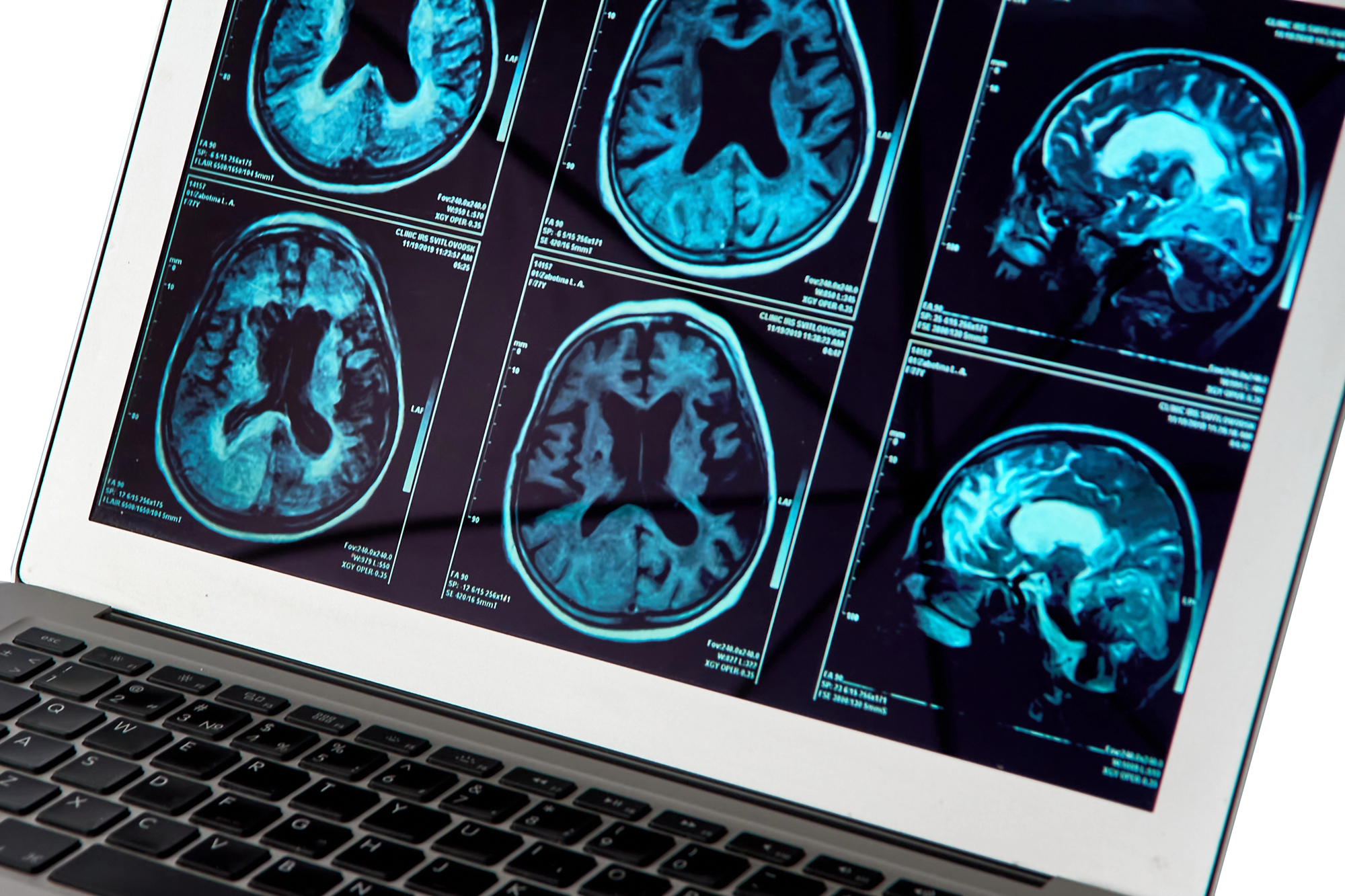
Copper compound targets Alzheimer’s at the blood-brain barrier
BY THE OPTIMIST DAILY EDITORIAL TEAM Most Alzheimer’s research goes after the toxic proteins directly. This study asks a different question: what if the brain’s own clearing system could be fixed instead? Research from Monash University’s Institute of Pharmaceutical Sciences, published Read More...
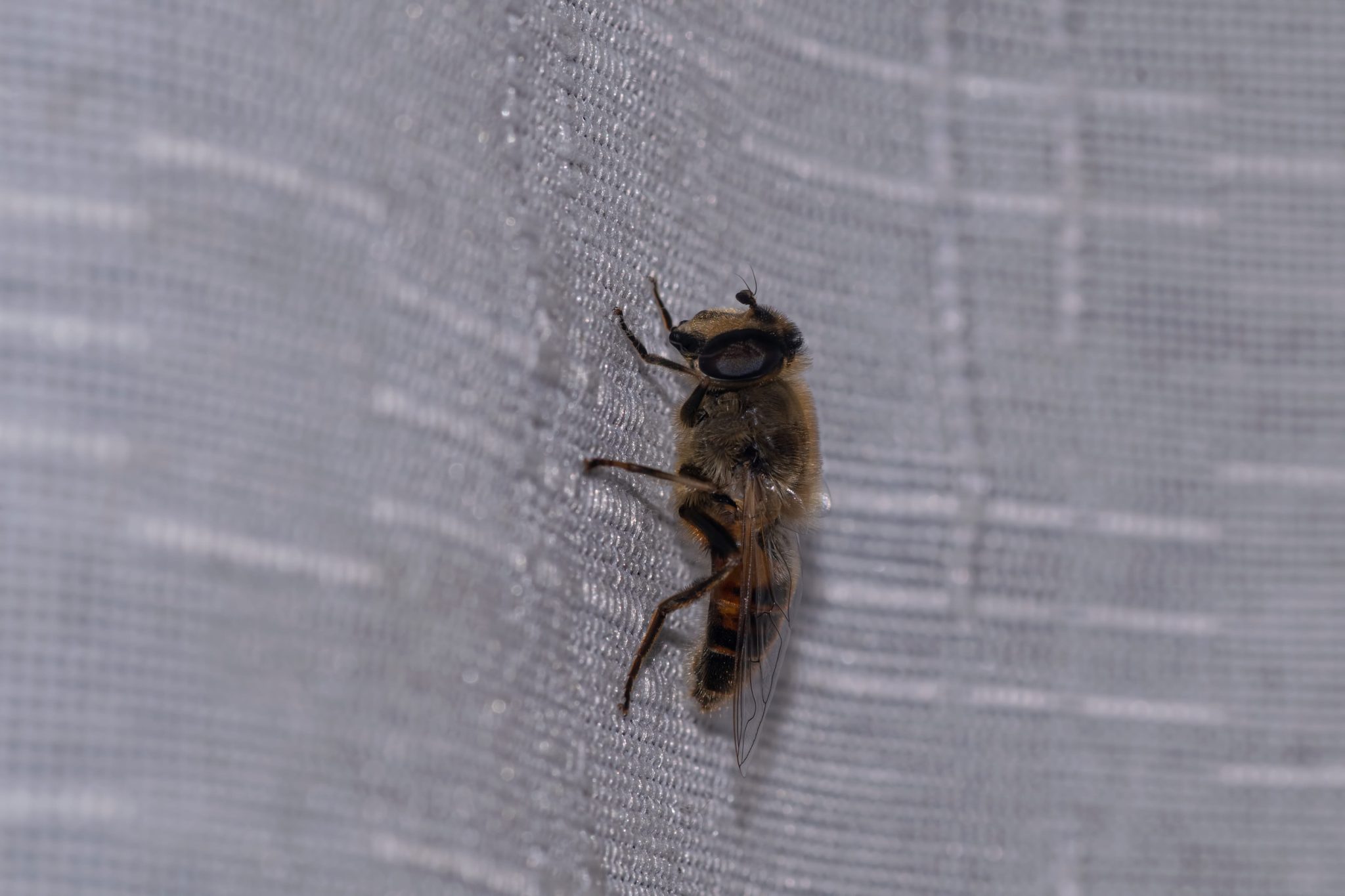
Research reveals honeybees use the same face-reading strategy as humans
BY THE OPTIMIST DAILY EDITORIAL TEAM The human brain contains approximately 86 billion neurons. A honeybee brain contains roughly one million, packed into about one cubic millimeter. That brain, it turns out, can learn to tell human faces apart. The research goes back more than two decades. Read More...

How the act of learning to read rewires the brain and changes the way you hear
BY THE OPTIMIST DAILY EDITORIAL TEAM Learning to read does something to the brain beyond teaching it to decode text. A new study in Cortex found that adults with formal reading education recruit a distinct region on the right side of the brain when processing unfamiliar spoken sounds. Adults who Read More...
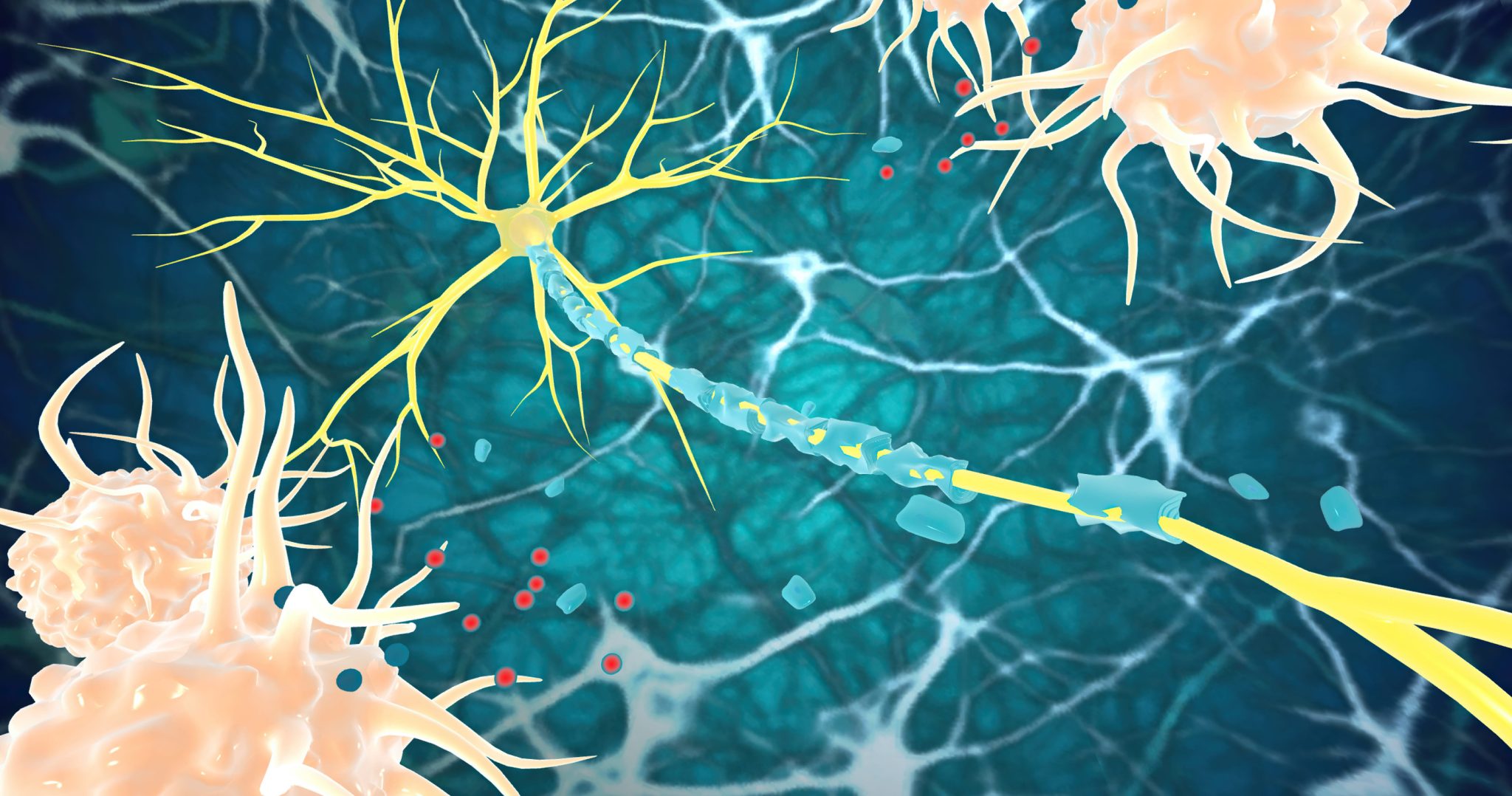
Two drug molecules achieve myelin repair in MS disease models
BY THE OPTIMIST DAILY EDITORIAL TEAM Every remyelination drug candidate tested in multiple sclerosis research has failed. A doctoral thesis from the University of Helsinki, defended earlier this month, reports two that didn’t. Tapani Koppinen, working in Associate Professor Merja Read More...

New research explains why your dreams feel so strange
BY THE OPTIMIST DAILY EDITORIAL TEAM There is something that happens in a dream that never happens anywhere else. A familiar place, a workplace or a school corridor, becomes somehow wrong, layered with elements that don’t belong, approached from a direction that doesn’t exist. That sense of Read More...

Brain health in old age starts taking shape far earlier than most people realize
BY THE OPTIMIST DAILY EDITORIAL TEAM In long-term studies where people had their cognitive ability tracked from youth into old age, one finding keeps standing out. “One of the most important factors explaining someone’s cognitive ability at age 70 is their cognitive ability when they were Read More...
Scientists map the mysteries of the brain in more detail than ever before
Google researchers revealed a wonderfully precise map of a portion of the human brain, marking a significant step forward in neuroscience. This astonishing feat, published in the journal Science and available online, provides unique insights into the complex architecture of brain cells, Read More...