


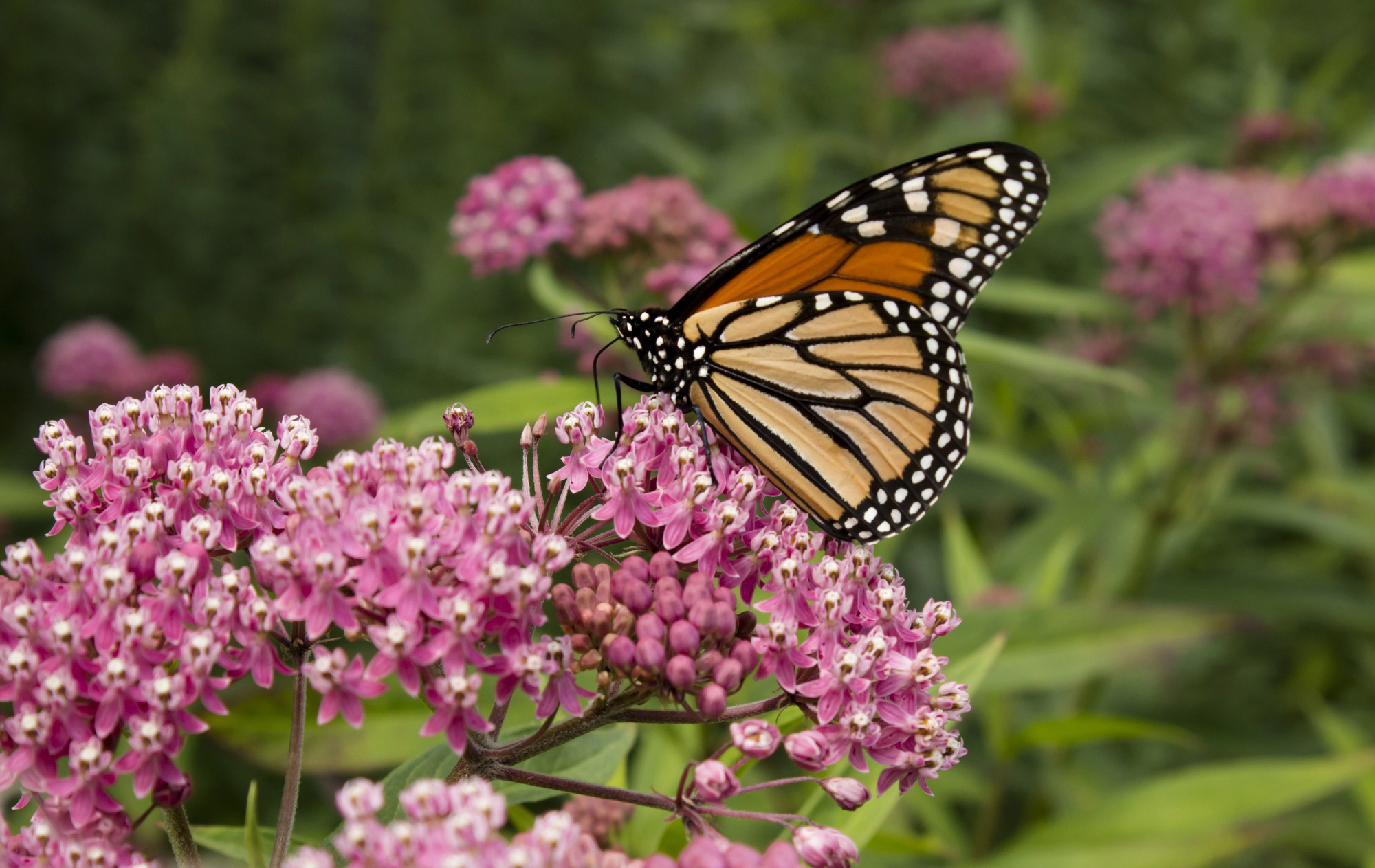
Roadside milkweed is giving monarchs a new migration highway
BY THE OPTIMIST DAILY EDITORIAL TEAM Researchers have planted 9,000 milkweed plants along roads in six North Florida counties, with 6,000 more going in before 2029. Monarchs are already showing up at the sites. The work is part of a national effort led by the University of Illinois Chicago to Read More...
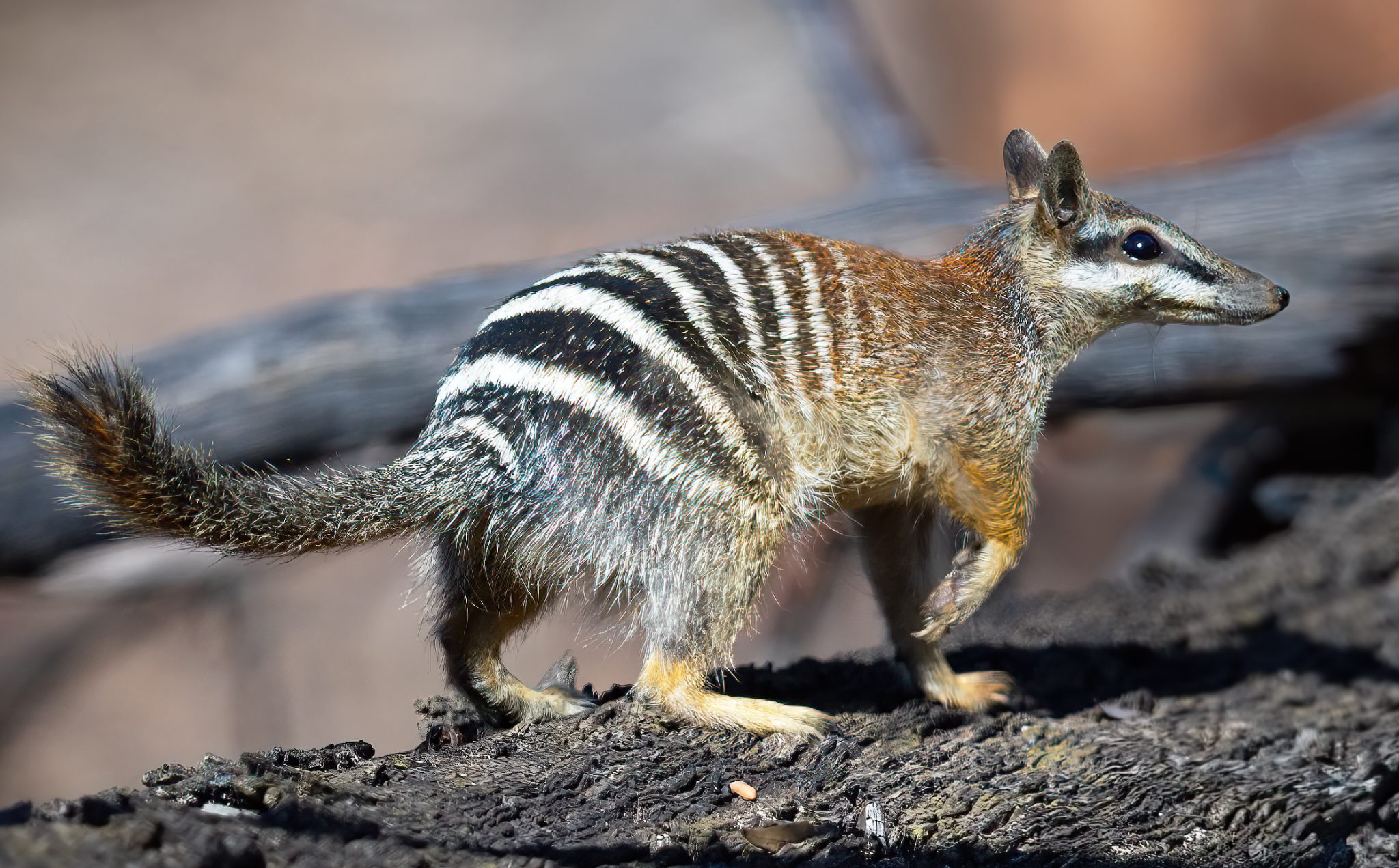
From 300 to 3,000: how Australia brought the numbat back
BY THE OPTIMIST DAILY EDITORIAL TEAM Great news! The (adorable) numbat is no longer endangered. The IUCN has moved Western Australia’s animal emblem from Endangered to Near Threatened on its Red List, after more than 40 years of conservation work. “The downlisting of the numbat from Read More...
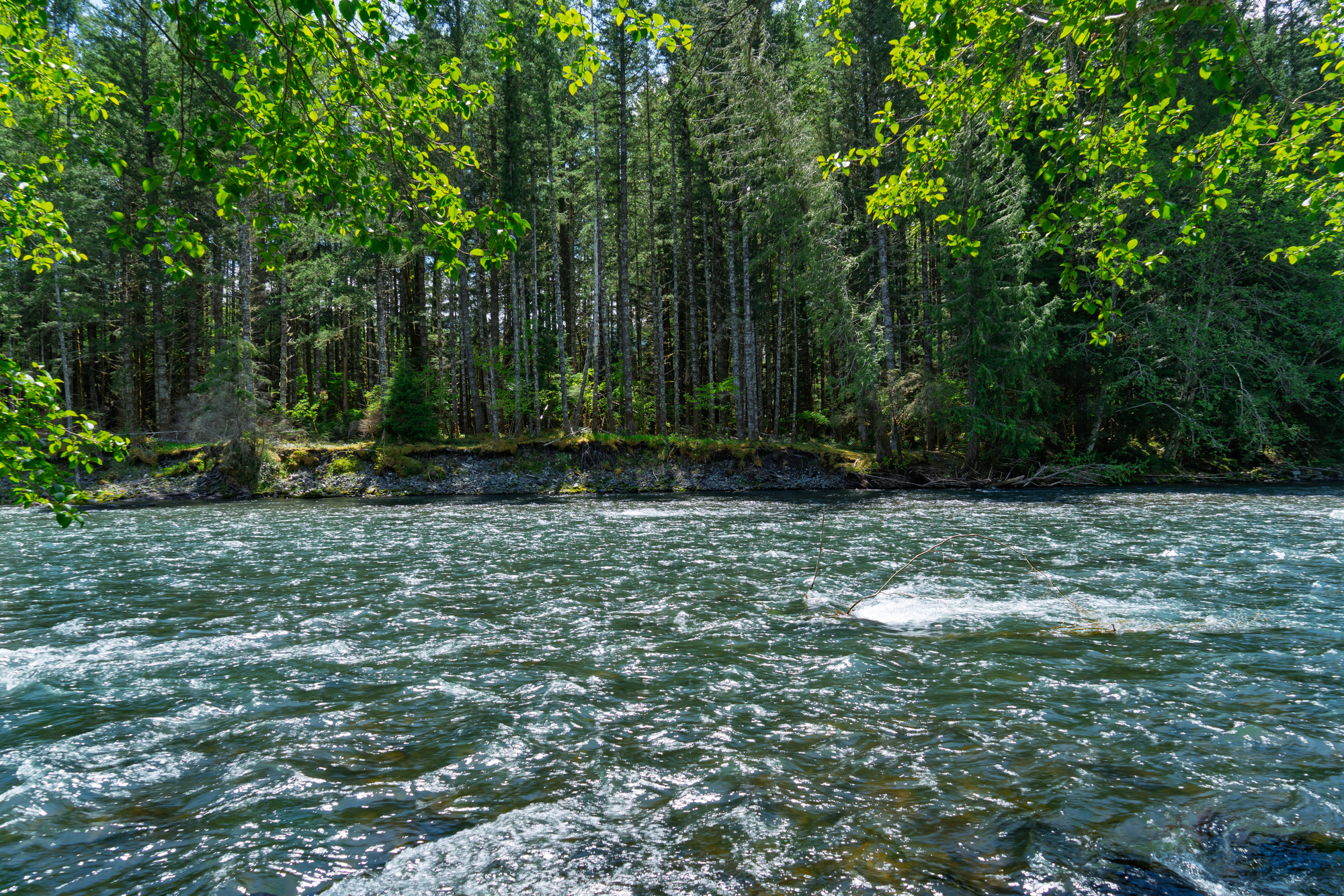
How environmental DNA turned river water into a global wildlife census
BY THE OPTIMIST DAILY EDITORIAL TEAM There’s something almost absurd about how we’ve always measured wildlife. Two trained ecologists visit the same river, spend days cataloguing what they can see, and come back with completely different species lists. Neither is wrong. The data just can’t Read More...
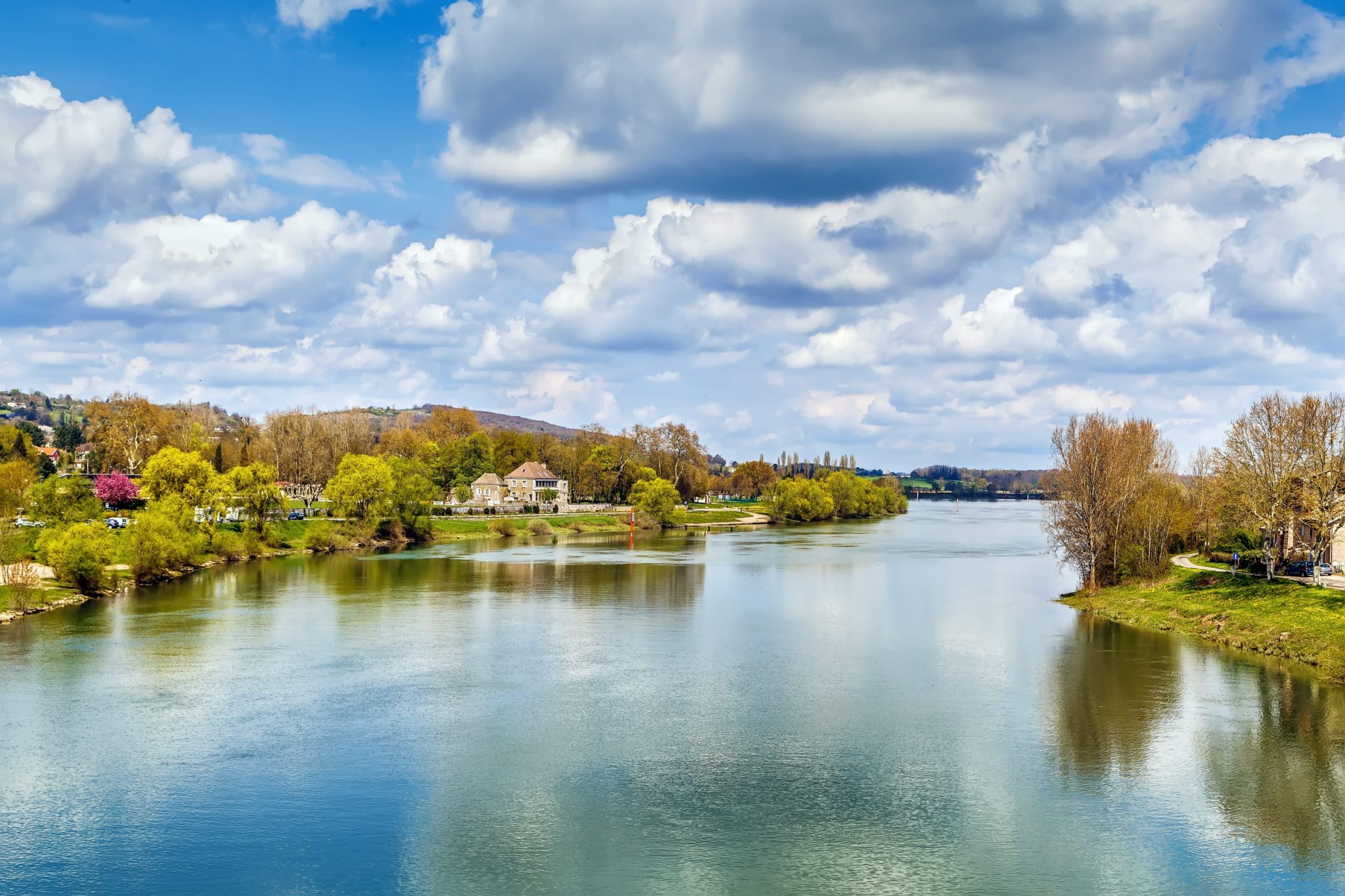
Europe removed a record 602 river barriers last year
BY THE OPTIMIST DAILY EDITORIAL TEAM A dam fell in Iceland last December, the first the country has ever deliberately dismantled. The structure on the River Melsá had long since stopped generating power. Sheep were living in the old powerhouse. “It wasn’t providing any electricity,” said Read More...
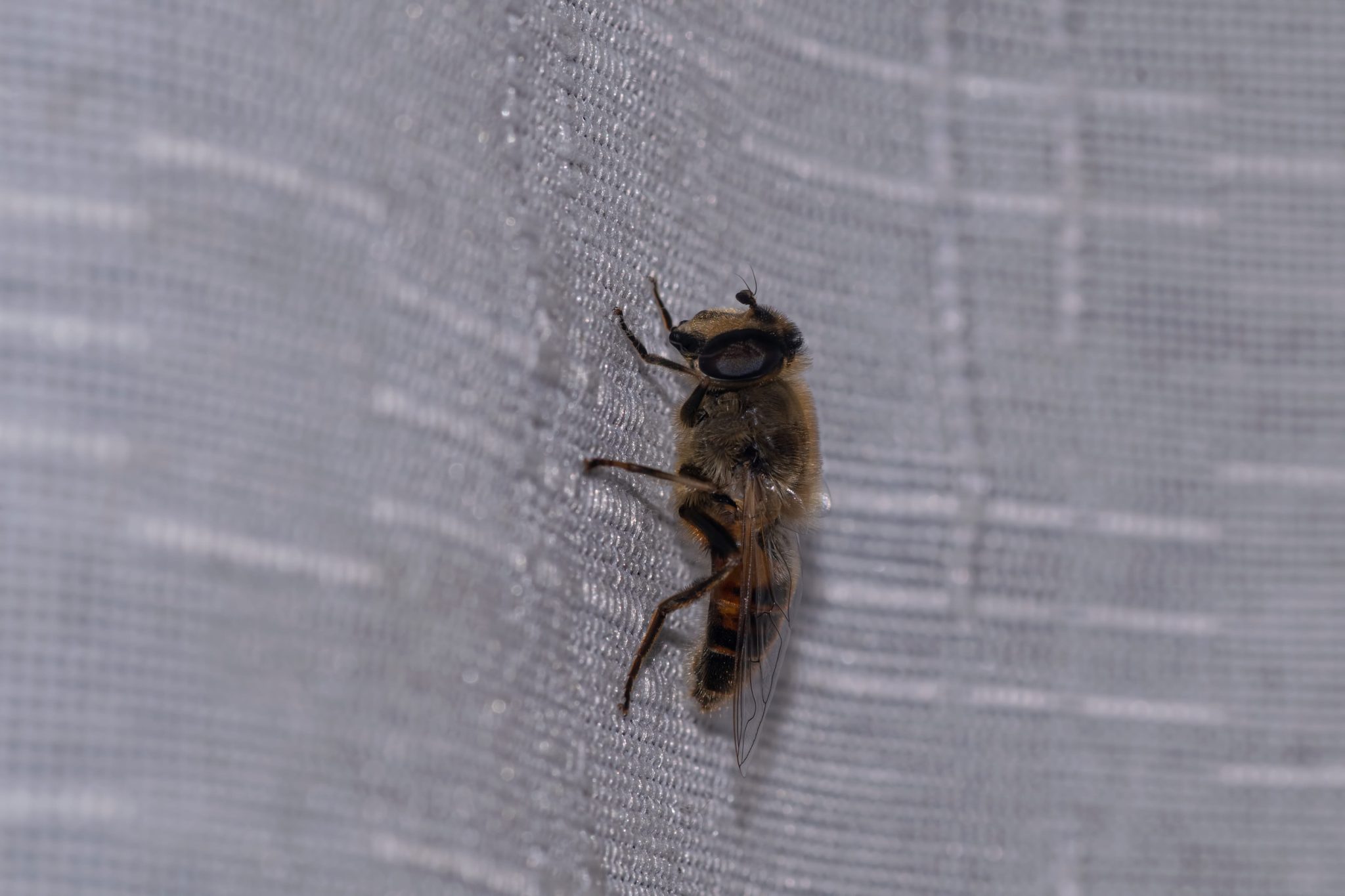
Research reveals honeybees use the same face-reading strategy as humans
BY THE OPTIMIST DAILY EDITORIAL TEAM The human brain contains approximately 86 billion neurons. A honeybee brain contains roughly one million, packed into about one cubic millimeter. That brain, it turns out, can learn to tell human faces apart. The research goes back more than two decades. Read More...
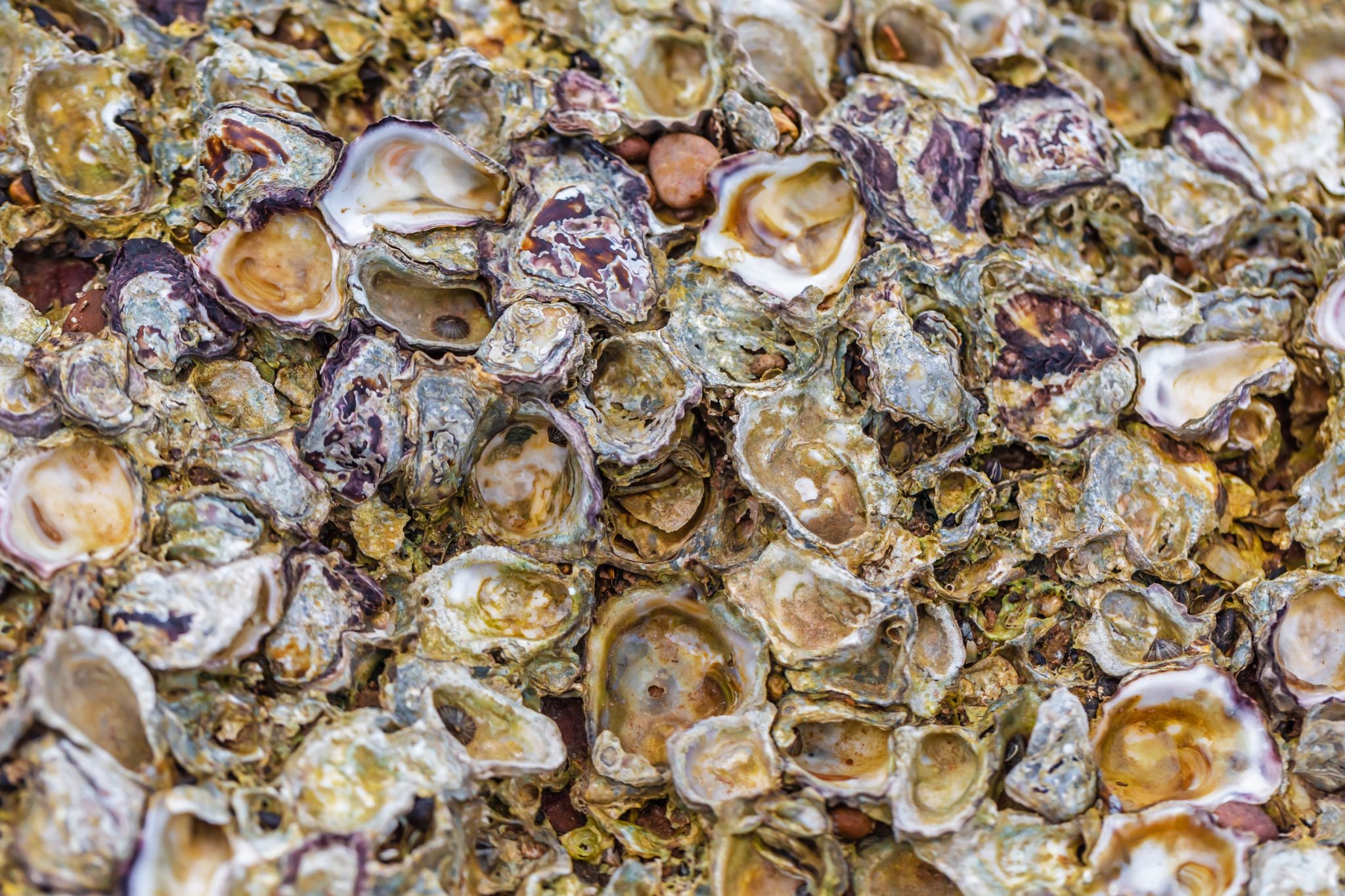
Dinner scraps are rebuilding California’s lost oyster reefs
BY THE OPTIMIST DAILY EDITORIAL TEAM What if scraps from a dinner could become a habitat? That's the basic premise of the Shells for Shorelines program in a meaningful sense: the shells of oysters eaten at restaurants in Orange County can become the foundation on which new oysters settle and Read More...
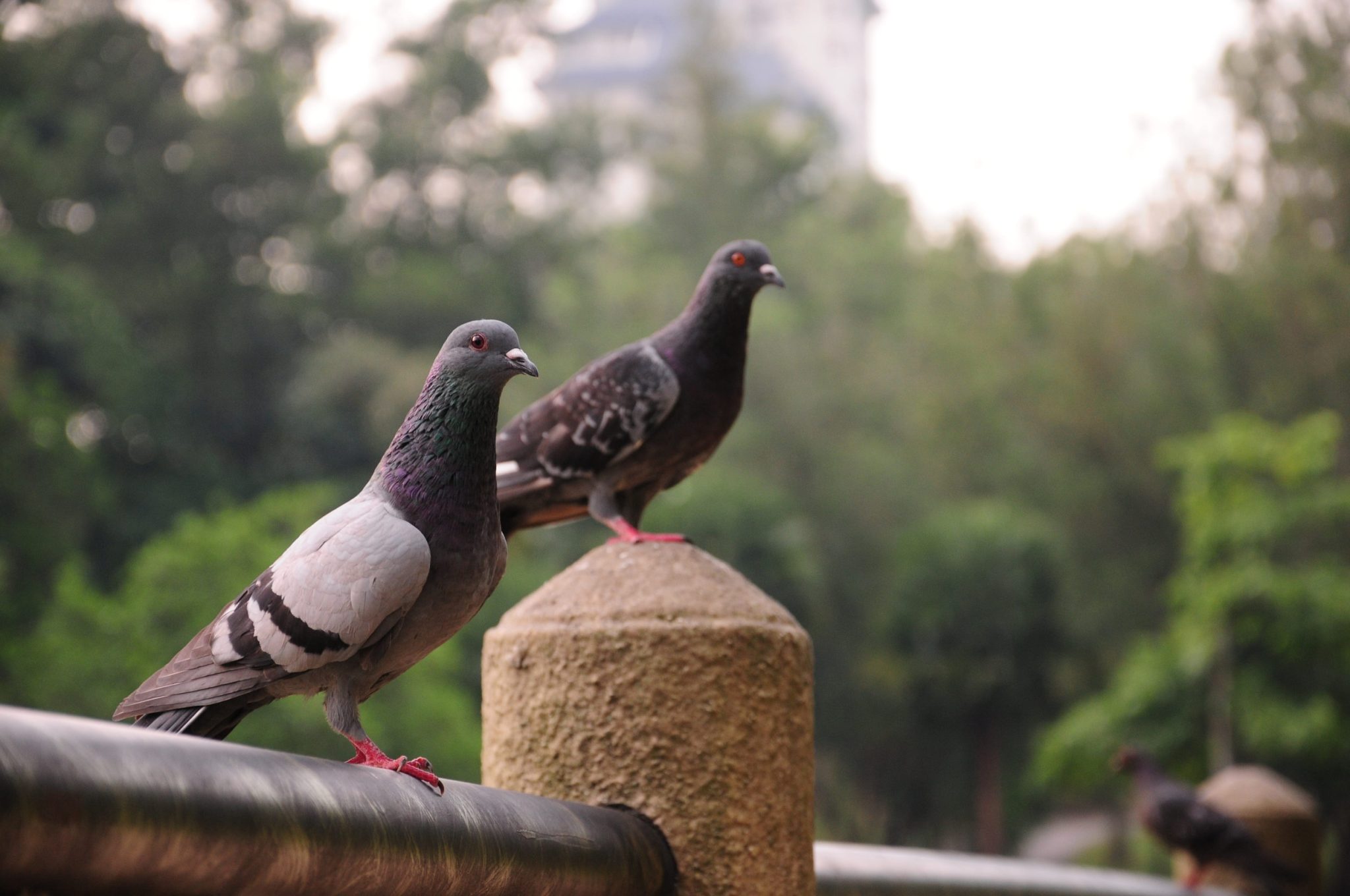
How pigeons find their way home: the answer is a magnetic compass in the liver
BY THE OPTIMIST DAILY EDITORIAL TEAM For decades, researchers looked for the seat of magnetoreception in all the obvious places: the eyes, the inner ear, the beak. A study just published in Science points somewhere none of them expected. The organ doing the magnetic navigation work in homing Read More...
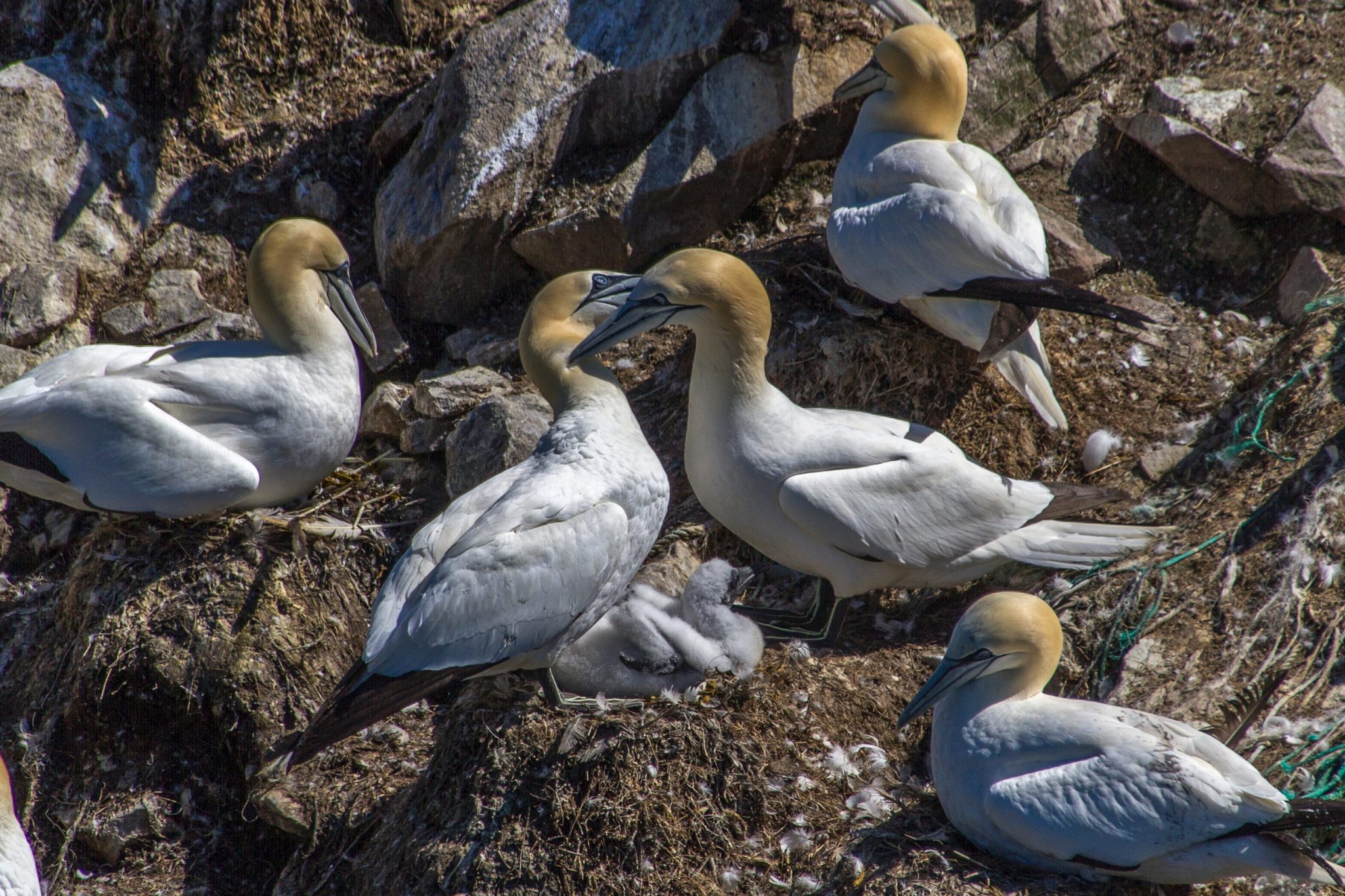
How PFAS regulation cut toxic chemical levels in Canadian wildlife
BY THE OPTIMIST DAILY EDITORIAL TEAM Levels of some of the most toxic PFAS compounds have fallen sharply in Canadian seabird eggs, and the reason isn’t complicated. Regulation worked. A peer-reviewed study tracked PFAS concentrations in the eggs of northern gannets on Bonaventure Island, in Read More...
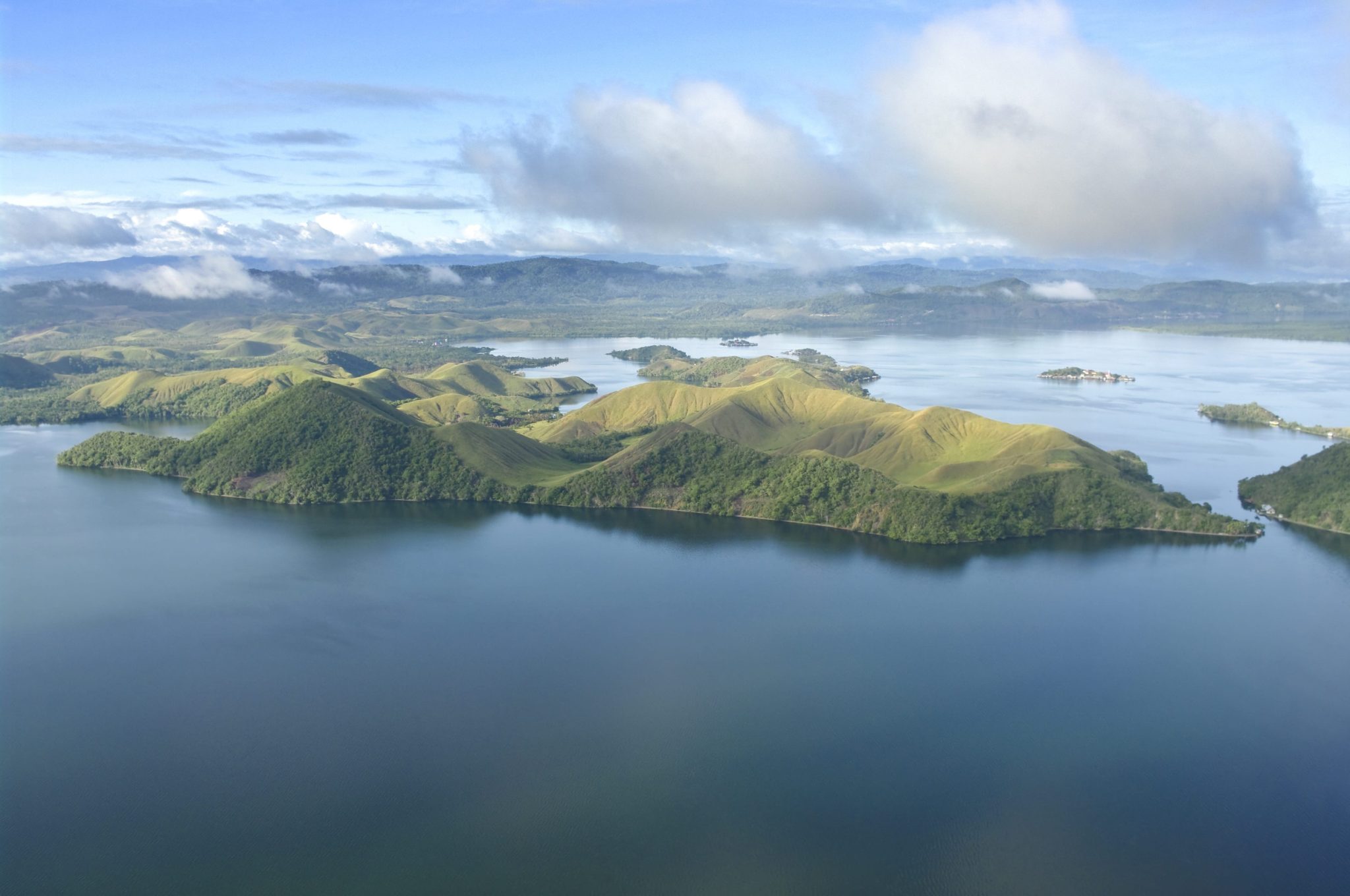
How shark tracking data shaped Papua New Guinea’s ocean sanctuary
BY THE OPTIMIST DAILY EDITORIAL TEAM Papua New Guinea announced on May 13 that it will protect roughly 214,000 square kilometers (about 82,600 square miles) of the Bismarck Sea from all fishing and extractive activity, an area approaching the size of the United Kingdom. The Western Manus Marine Read More...
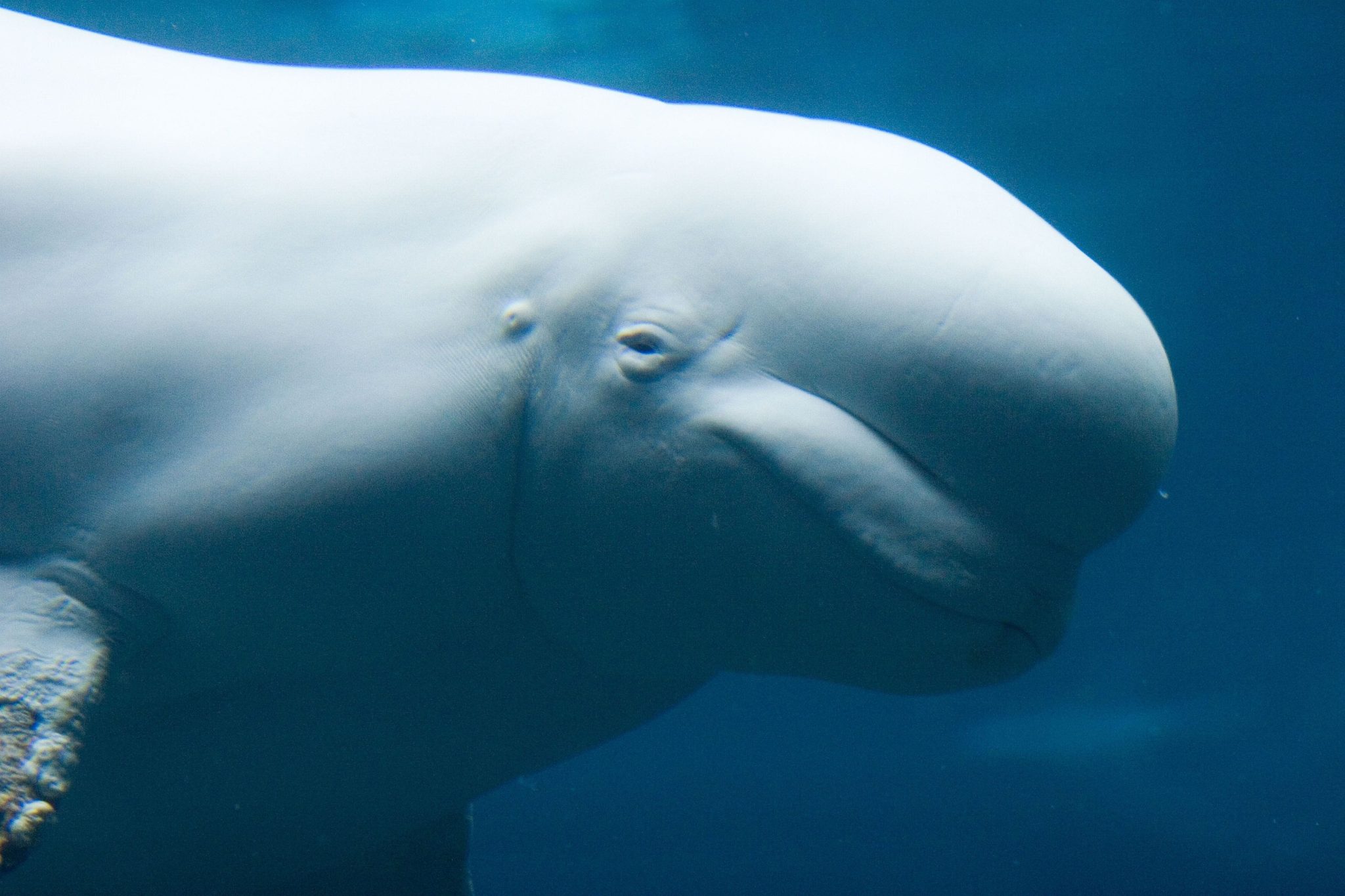
Belugas join the short list of animals who know they’re looking at themselves
BY THE OPTIMIST DAILY EDITORIAL TEAM There’s a short list of animals who, when placed in front of a mirror, eventually figure out they’re looking at themselves. Chimpanzees. Bottlenose dolphins. Asian elephants. A magpie or two. A small reef fish called the cleaner wrasse, which upended some Read More...