



A giant wildlife bridge will help LA’s mountain lions cross over the 101
One of the biggest ecological problems with freeway systems is that they dissect through natural lands and cut off animals from their native habitats. Such is the case just north of Los Angeles in Agoura Hills where the US 101 freeway cuts right through the native habitat of mountain lions and Read More...

A network of suspended bridges are helping Java’s slow lorises survive
When you think of primates, chances are you think of gorillas and orangutans before you ever think of the slow loris. That might be because, out of all the primates, the slow loris least resembles humans. They are venomous, pint-sized, and have a wild, oversized eye. Their nocturnal, largely Read More...

Ambitious reforestation project will plant 3 million trees in Uganda
Successful efforts of reforestation and wildlife conservation typically go hand in hand with involving local communities in the process. Not only does this tap into valuable local knowledge around the issue but it also enables local communities to sustain these efforts in the future. This is Read More...

Rare pink dolphin are back in Hong Kong as lockdown halts ferry traffic
From multiple successful turtle hatchings around the world to decreasing rates of rhino poaching in South Africa, coronavirus lockdowns have been a blessing to many species of wildlife. More recently, scientists have discovered that diminished human activity has also benefited the elusive pink Read More...

Mount Rainier sees wolverines for the first time in 100 years
For the first time in over a century, wolverines have returned to Mount Rainier National Park. Scientists from the conservation group Cascades Carnivore Project, together with the National Park Service, spotted a reproducing female, named Joni, and her two offspring also called kits. Resembling a Read More...

Two belugas traveled 6,000 miles from captivity to new refuge in Iceland
Little Grey and Little White - these are the names of two beluga whales that have recently traveled thousands of miles to their new home in Iceland where they will be able to live in the open sea for the first time in nearly a decade. The sea canaries, as they’re also known for their Read More...
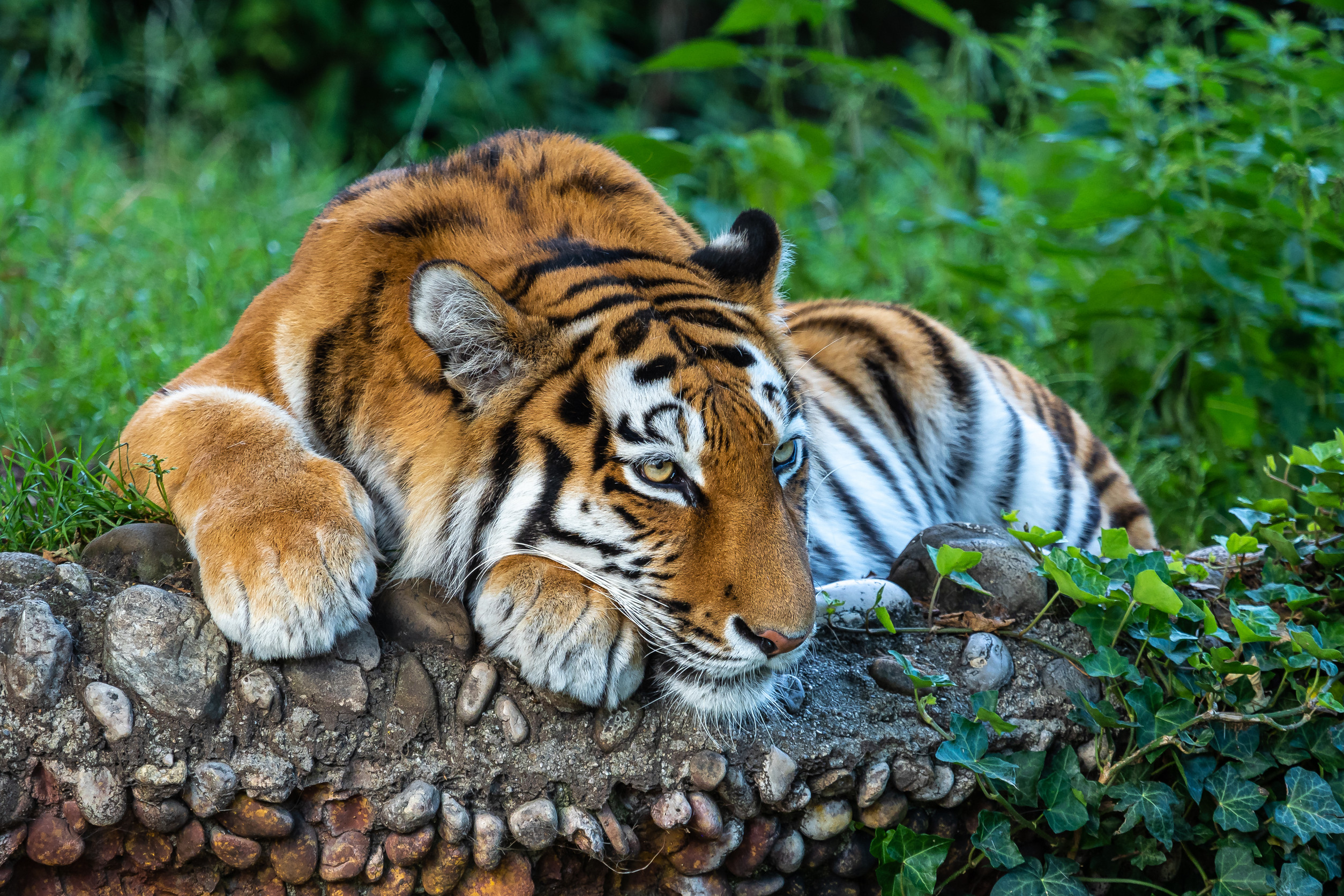
Wild tiger populations around the world are making a comeback
Millions watched them in captivity on the lockdown TV hit Tiger King, but in the wild, tiger populations have been in rapid decline for decades. There is some positive news though. According to new figures from the World Wildlife Foundation (WWF), the number of wild tigers in some parts of the Read More...

Comeback: Wild bison set to return to UK for first time in 6,000 years
The steppe bison is thought to have roamed the UK until about 6,000 years ago when hunting and changes in habitat led to its global extinction. Now, thanks to a fantastic new initiative, the steppe bison’s closest relative, the European bison, will be introduced to the landscape of the UK. The Read More...

Rare heath butterfly reintroduced back into the wild after 150 years
Here at the Optimist Daily, we love inspiring conservation stories involving species that return back to the places they once belonged to. Today, we have the heath butterfly as the protagonist of the latest of such comeback stories. The heath butterfly — known as the “Manchester argus” — Read More...

Once hunted into near extinction, wild donkeys return to the Danube Delta
Hundreds of years ago, the kulan, or more commonly known as the wild donkey, were established inhabitants of the Eurasian Steppe, from the Mediterranean to the east of Mongolia. Sadly for the kulan though, two hundred years of hunting and habitat loss has led to a decline of 95 percent of the Read More...