When a recent study looked at health differences between late and early risers, it appeared to make grim reading for night owls. Increased risk of early death, psychological disorders, and respiratory illness were the stark findings from the paper, which backed up other research suggesting late-nighters are more likely to suffer ill health. But is being a night owl really bad for you and does it mean some of us should ditch the late nights and lie-ins to become more like morning larks?

Should we sleep and wake early to boost our health?
More of Today's Solutions
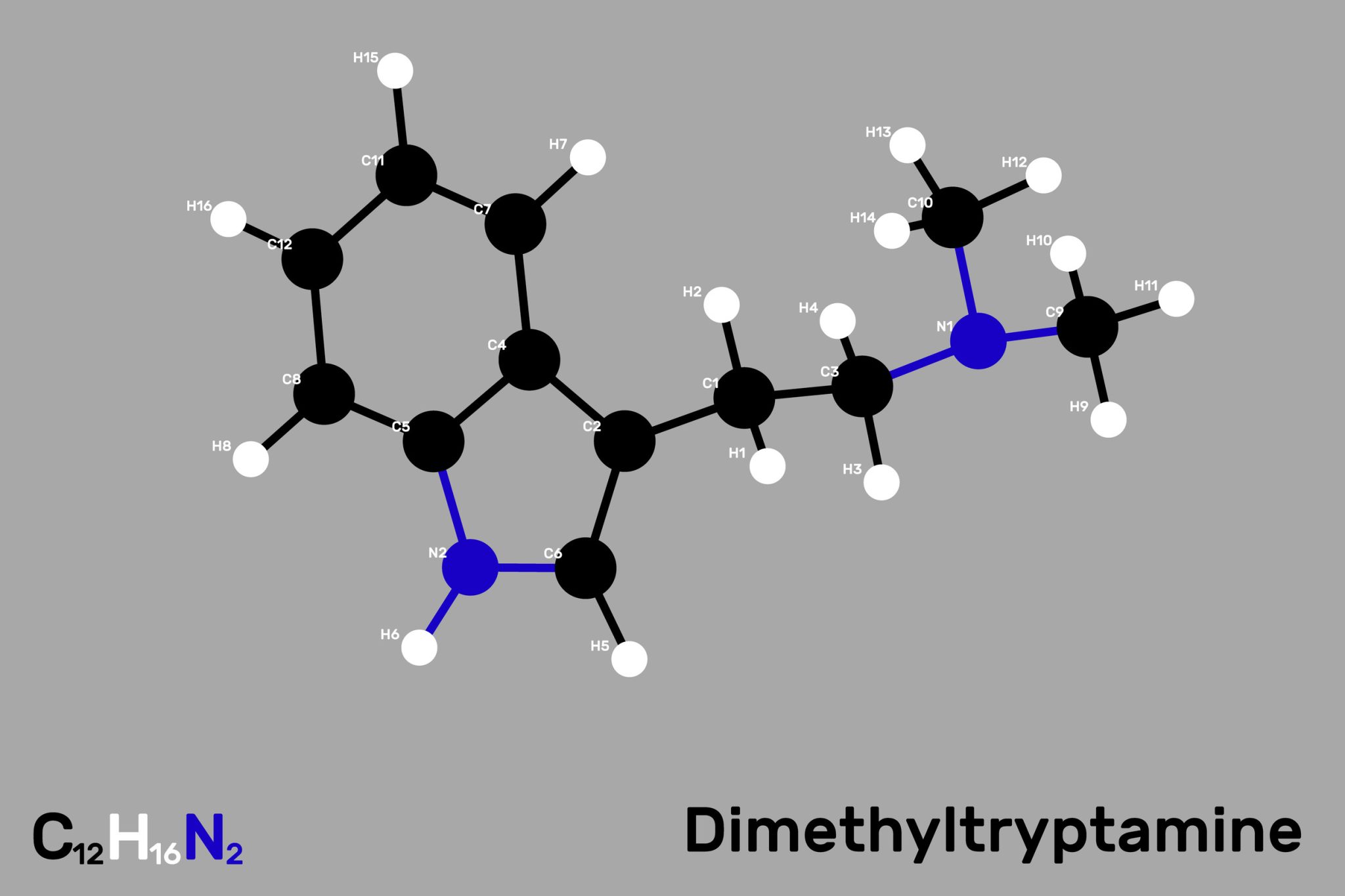
Single dose of DMT shows promise for treatment-resistant depression in early ...
BY THE OPTIMIST DAILY EDITORIAL TEAM A single, carefully administered dose of the psychedelic compound dimethyltryptamine, better known as DMT, may offer meaningful relief ...
Read More9 dentist-approved foods that help fight cavities naturally
BY THE OPTIMIST DAILY EDITORIAL TEAM Brushing and flossing may be the MVPs of oral hygiene, but they are not the only players on ...
Read MoreA synthetic cornea just restored the vision of a blind man
According to the WHO, corneal damage from infections or inflammatory eye diseases is one of the leading causes of blindness worldwide, affecting around two ...
Read MoreHow will farmers face rising sea levels? Floating gardens may be the answer.
Farmers in Bangladesh are ahead of the game in developing creative solutions for planting in places with more water than land because Bangladesh’s wild ...
Read More