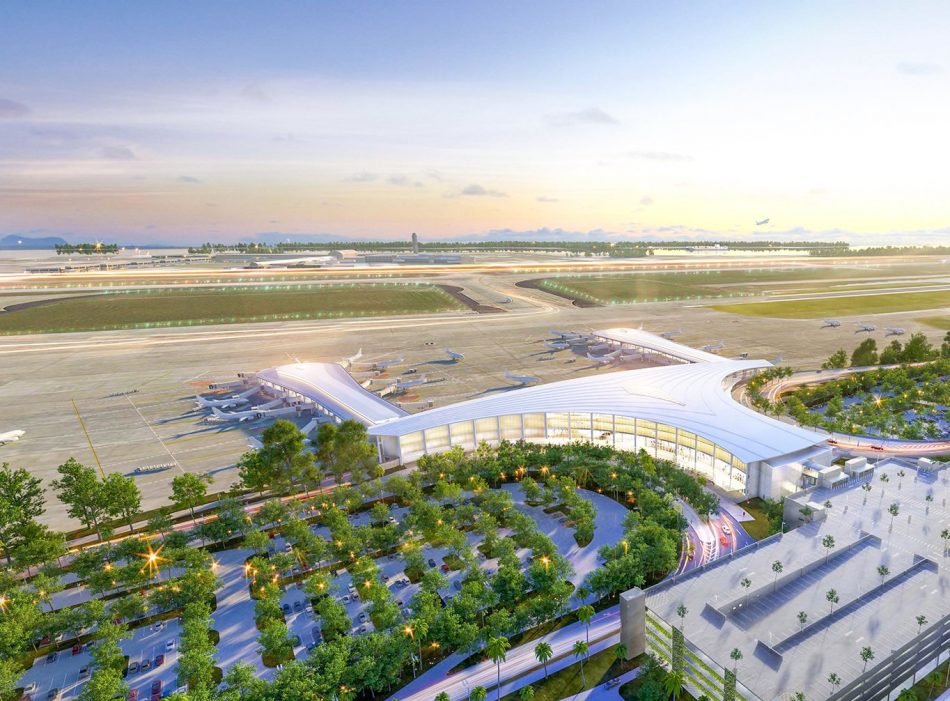
Before the Thanksgiving holiday, a record-breaking 31.6 million passengers were expected to fly on US airlines—a 3.7 percent increase over 2018. Airports had to brace for bigger crowds than ever, and that was no coincidence. Rather, it was by design: US airlines added an estimated 859 flights per day to the peak Thanksgiving travel days.
Now compare the U.S. Thanksgiving travel experience to what’s happening at European airports. The overall number of people flying in Europe is down over last year. Dutch airline KLM is encouraging potential passengers to fly less to help reduce emissions. The CEO of Air France said the industry isn’t doing enough to combat climate change. Countries are discussing banning private jets and even inventing new phrases like “flight shaming,” causing passengers to reconsider how they travel.
The debate about how bad flying really is, from an emissions perspective, has consumed the conversation about personal carbon footprints over the past year. People are being urged not to fly, but this alone will not guarantee an impact until the infrastructure that enables that behavior is itself changed. In this case, airports are the problem, and U.S. cities need to stop prioritizing, funding, and building them. A new report by the United Nations Environmental Program argues that if every piece of fossil-fuel infrastructure that’s currently planned ends up being built, the planet would exceed the limit on global warming set by the Paris agreement within ten years.
It’s easy to target certain elements of fossil-fuel infrastructure in and around our cities: coal plants, oil refineries, highway interchanges, even car companies that won’t adopt cleaner emissions standards. Yet airports always seem to get a pass. What we need now is to start seeing airports for what they are: a big problem that, without intervention, will get much worse.