


BY THE OPTIMIST DAILY EDITORIAL TEAM
The house Tala and Farah Mousa were living in was bombed. So they looked at the rubble and started asking what it could become.
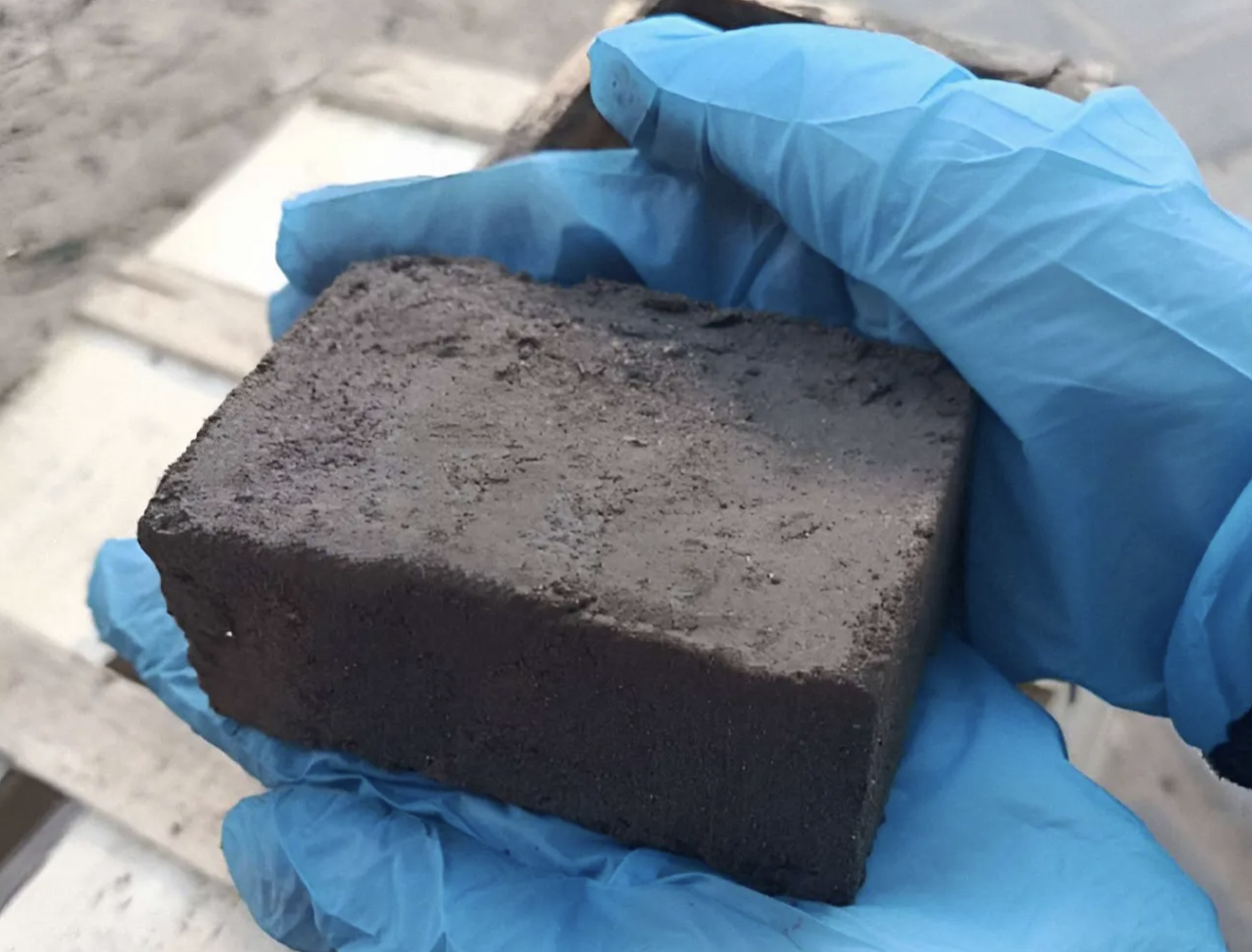
Their answer is Build Hope, Palestine: a way to turn debris from damaged buildings into reusable blocks. Crushed and sieved rubble, mixed with clay, ash, or glass powder, then molded and dried. No machinery. No supply chain. The raw material is on the ground everywhere they look.
How rubble becomes a building block
The blocks are non-load-bearing, which makes them practical rather than ambitious: garden beds, pavements, partitions. The kind of everyday infrastructure a neighbourhood needs while the heavier rebuilding work takes years.
“The view from my window is what keeps me always motivated,” Tala shares. “The large amount of rubble and the lack of accessible rebuilding solutions inspire us to work on this project. The solution is decentralised, low-cost, and relies on locally available materials. It’s designed to be replicated by communities without heavy machinery or specialised infrastructure, and turn what was once destruction into a starting point for hope.”
That last phrase describes what the blocks actually are: material from something that has fallen, shaped into something useful.
Teaching the method, not just making the blocks
The sisters aren’t trying to produce bricks at scale on their own. The plan is to teach 100 young people to make at least 200 blocks, then have those people teach others, reaching over 1,000 people as the method spreads. Once someone learns it, they don’t need Tala and Farah to keep going.
A global competition, and a first for Gaza
Build Hope was selected as one of the top 35 teams in The Earth Prize 2026, the world’s largest environmental competition for 13 to 19-year-olds. The sisters are one of only five teams from the Middle East in this year’s cohort, and the first from Gaza in the competition’s five-year history.
The Earth Prize is run by The Earth Foundation, a Geneva non-profit that has reached over 21,000 students across 169 countries since 2019 and awarded over $500,000 to young people developing environmental solutions.
Seven regional winners will be announced between May 11 and 17, each receiving $12,500. The global winner follows on May 29.
Peter McGarry, founder of The Earth Foundation, said: “By transforming debris into practical solutions for their community, they are empowering others to take part in recovery. Their project captures what The Earth Prize stands for: bold, locally grounded ideas with the potential to create meaningful impact.”
Why this works where other approaches don’t
Most rebuilding comes from the outside: aid organisations, imported materials, contractors. Build Hope runs the other direction. The material is local. The knowledge stays with whoever learns it. Nothing about it requires a stable economy or an intact supply chain.
The sisters were displaced again recently and had to leave their prototype behind. But the prototype doesn’t matter as much as the method itself. And the method cannot be lost to those who learn it.






