


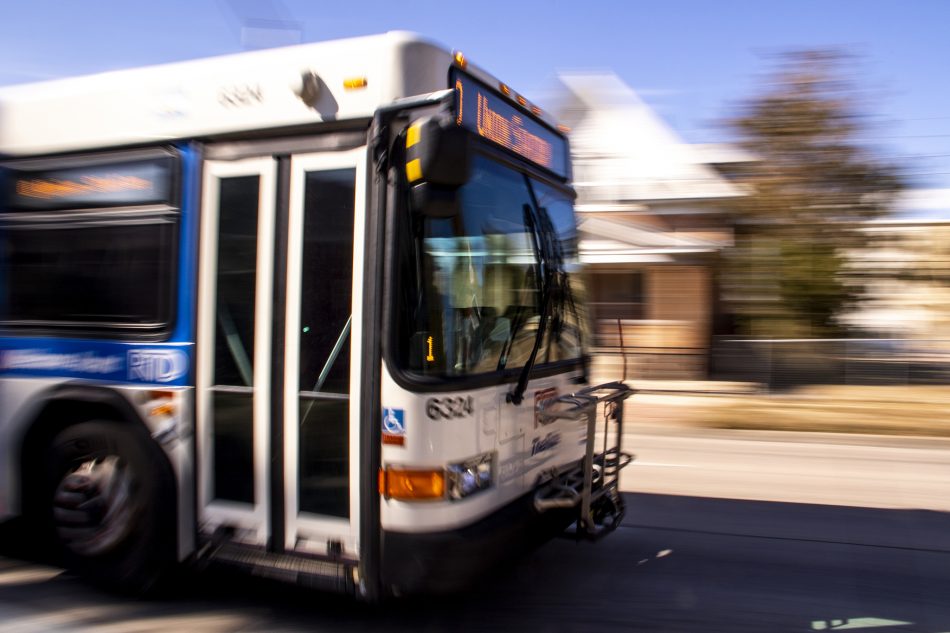
The coronavirus’s spread has placed American transit agencies in a bind. Ridership has nosedived — as much as 70% on the Bay Area’s BART system — bringing a corresponding drop in revenue collected from fares. With millions of Americans working from home and sheltering in place, health experts and city leaders are trying to discourage unnecessary travel.
But many essential workers rely on public transit. Even as agency leaders rearrange their budgets, they are struggling to keep their riders and employees safe while still providing service for passengers with no other way to get around. They are in an unenviable position, to put it mildly. Several transit agencies have chosen a novel and counterintuitive strategy to weather the current crisis: Let passengers ride for free.
On March 16, for example, agencies in Akron, Canton, Toledo, and Youngstown all announced that they are terminating fare collection until the virus recedes. These agencies’ leaders envision fare-free transit achieving two urgent goals simultaneously. First and foremost, the move can help protect transit passengers and employees.
Since the coronavirus can spread easily among groups in close contact — which the CDC defines as individuals within six feet of one another — transit officials have been especially concerned about risks during bus boarding, when passengers cluster outside the door before standing inches away from a driver while paying their fares. There are also signs that the virus could live on paper and metal, which may include currency and farecards.
Free transit can also offer another benefit: a financial cushion to riders struggling during the pandemic. With many people scrambling to make ends meet, dropping fares is one way to help people out in this time of need. To be clear, these agencies have promised to pause fare collection during the pandemic, not end it permanently like their peers in Kansas City and Olympia, Washington are hoping to do.






