With flights grounded and highways free from rumbling traffic, and a general drop in human activity, the world has gone rather quiet during the last couple of weeks. And while the resulting silence may be eerie for some, it’s an exhilarating phenomenon for others, including researchers and wildlife.
Many scientists are taking advantage of the sudden silence to conduct unprecedented research. Seismologists, for instance, can now detect minute rumblings beneath the Earth’s surface that were previously masked by city sounds. Researchers in Belgium noted that current levels of urban noise are equivalent to those during Christmas Day, allowing them to detect earthquakes of relatively high magnitude from across the world.
Marine biologists are also benefiting from the new quiet. With little to no traffic from cargo and cruise ships, whales are now singing undisturbed and are even expected to experience significantly reduced levels of stress.
What’s more, the decrease in noisy traffic, both on land and in air, has the added benefit of clearing air quality, which in turn allows bumblebees to detect flowers more easily, since exhaust fumes disguise floral scents.
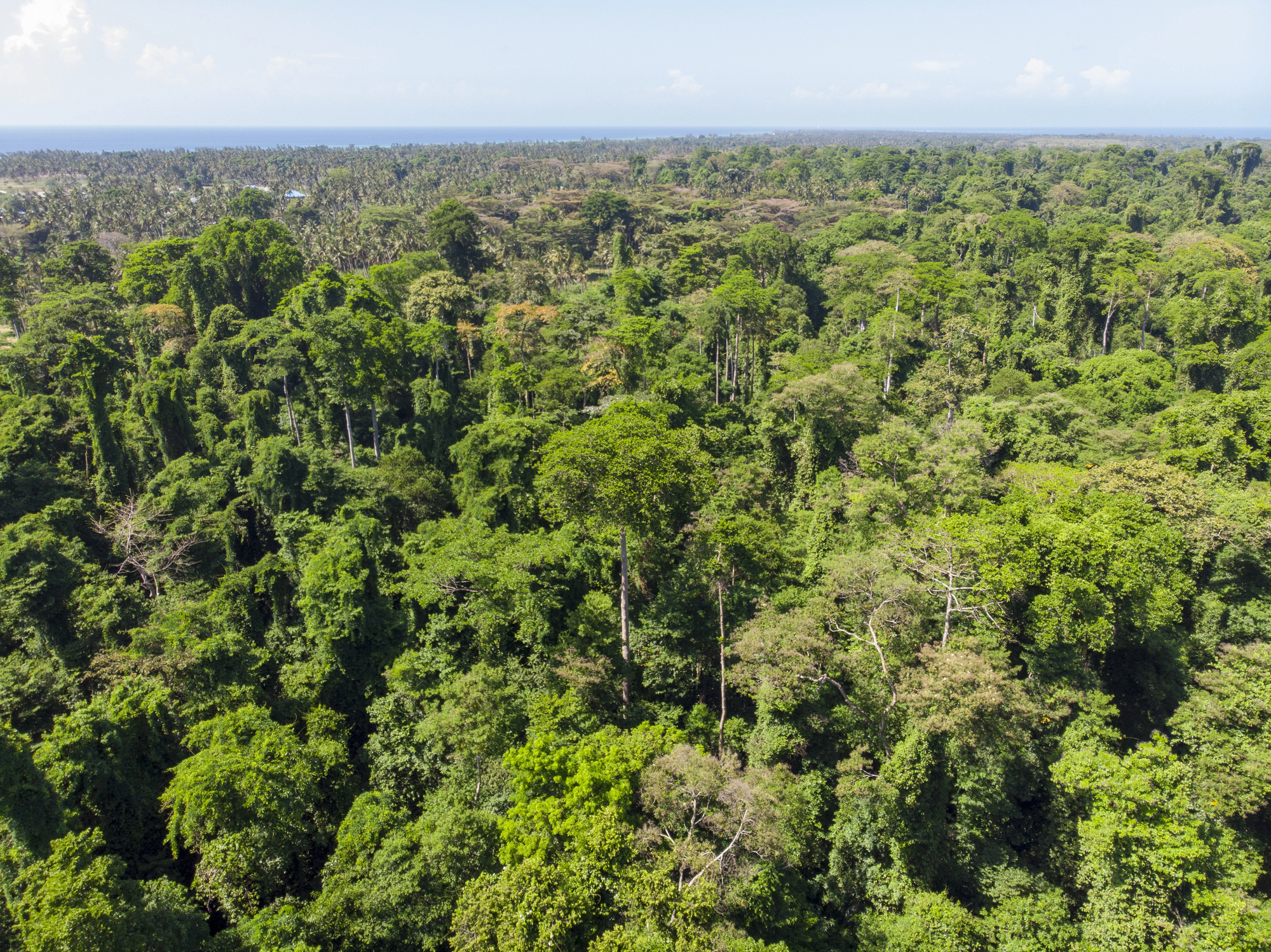
Last but not least, the quiet has also put birds in charge of our surrounding soundscapes, giving us the opportunity to re-engage with nature through their comforting songs — now richer in sound than they have been for a long time.
These observations may be small consolation to the majority of Earth’s residents, who are feeling deeply disoriented and distressed by the current pandemic. But it’s still reassuring to know that some creatures are flourishing in these difficult times and that certain fields of research are uncovering fascinating new knowledge about this magnificent planet that we still know so little about.