BY THE OPTIMIST DAILY EDITORIAL TEAM
Kenya committed $160 million over ten years to protect 173,000 square kilometers (roughly 67,000 square miles, or 17.3 million hectares) across some of the least-disturbed land in Africa: the Great Rift Valley, the Maasai Mara, and surrounding biodiversity areas.
The program is called Thamani Asili, which means “value of nature” in Kiswahili. Funding splits evenly: $80 million from the Kenyan government, $80 million from dozens of private donors, including billionaire heirs to the Walton and Cargill family fortunes. The money flows through a Project Finance for Permanence (PFP) model, which ties disbursements to verifiable government policy changes rather than goodwill commitments.
Four focus zones
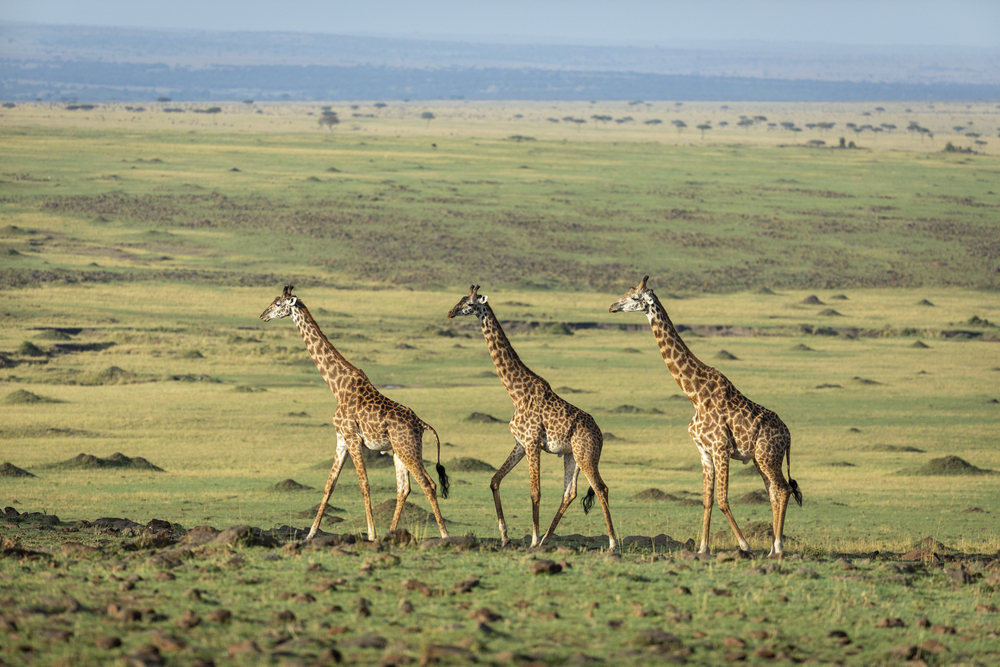
The initiative will start in four geographic areas. Tsavo, Kenya’s largest national park complex, holds 40 percent of the country’s elephants and 20 percent of its critically endangered black rhinos. A southern zone along the Tanzanian border spans the Maasai Mara and links into the Serengeti, a corridor that wildlife has used for seasonal migration long before either country drew its borders. The Great Rift Valley and two additional hotspots round out the four.
What PFP requires
Conservation funding has a recurring problem: it arrives, gets spent, and produces little that changes policy or land status. The PFP model is a structural attempt to fix that. Money is conditional on the government hitting specific policy benchmarks, not delivered up front. Brazil and Gabon signed similar agreements last year. Namibia and Botswana are in the works. Kenya’s deal is among the largest yet.
Closing the 30×30 gap
Kenya has committed to the global “30×30” target: 30 percent of land and sea protected by 2030. The Nature Conservancy puts current coverage at 20 to 23 percent. Ryan Bidwell, who runs TNC’s PFP program, said this deal would largely close the distance.
The economic case is also there. A UN Environment Programme report drew on Kenyan government data showing that roughly 42 percent of the country’s GDP and 70 percent of its employment depend on nature in some form. Cabinet Secretary for Tourism and Wildlife Rebecca Miano said the program would benefit both wildlife and the farming communities that work these landscapes.
“There is a substantial gap that would be largely closed,” Bidwell said. Whether it closes depends on Kenya delivering on the policy commitments the funding is tied to, something that’s far harder to sidestep under PFP than under a conventional grant.
Did this solution stand out? Share it with a friend or support our mission by becoming an Emissary.