One third of insects are classified as endangered and this is in large part due to habitat loss. Fortunately, there are ways you can help support all types of wild animals using your very own front yard. Transforming your garden into a Certified Wildlife Habitat is a great goal for families looking to have a real impact on conservation.
So how can you turn your yard into a wildlife habitat? The steps were created by the National Wildlife Federation and center around critical habitat components like food, water, and shelter.
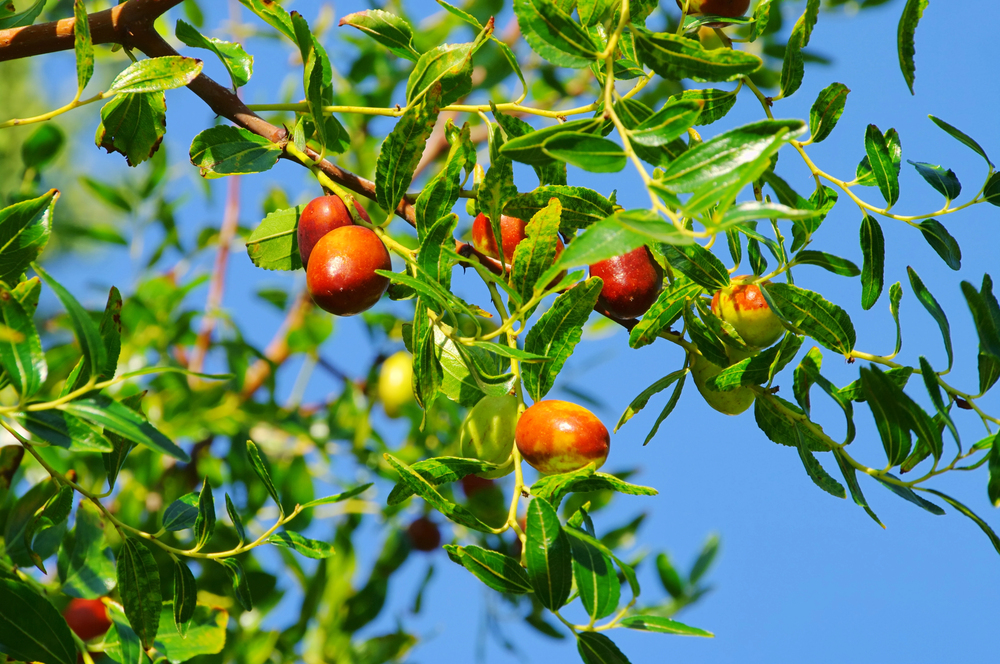
First, your habitat needs three types of plants or supplemental feeders. These can be bird feeders, berry bushes, or native flowers, but the most effective way to choose is to research native organisms in your area and select feeders that target these local species. For example, if you live in the western states or South America, a hummingbird feeder is a great choice.
When it comes to water, the options are also extensive. A stream, birdbath, or marble-filled bee bath all work well.
For shelter, you can opt to protect animals big or small depending on how much space you have. For larger species, a bramble patch or log pile is great, but even a simple birdhouse or roosting box is also great.
Animals also need a place to raise young in their habitats. For larger animals, this can be a prairie or nesting box. For smaller yards, host plants for caterpillars will do just fine.
Lastly, your Certified Wildlife Habitat needs to employ sustainable practices in at least two of these three categories: soil and water conservation, controlling exotic species, and organic practices. To do this, you can reduce erosion, limit water use, plant native species, and eliminate pesticides. Better yet, fill all three categories!
Turning your yard into a wildlife habitat will not only support local species but also beautify your home and provide a great quarantine project for kids. Need more incentive? If you get your habitat certified, you will also get a one-year membership to the National Wildlife Federation and a subscription to National Wildlife magazine. Go to the Certified Wildlife Habitat website today to get started!