


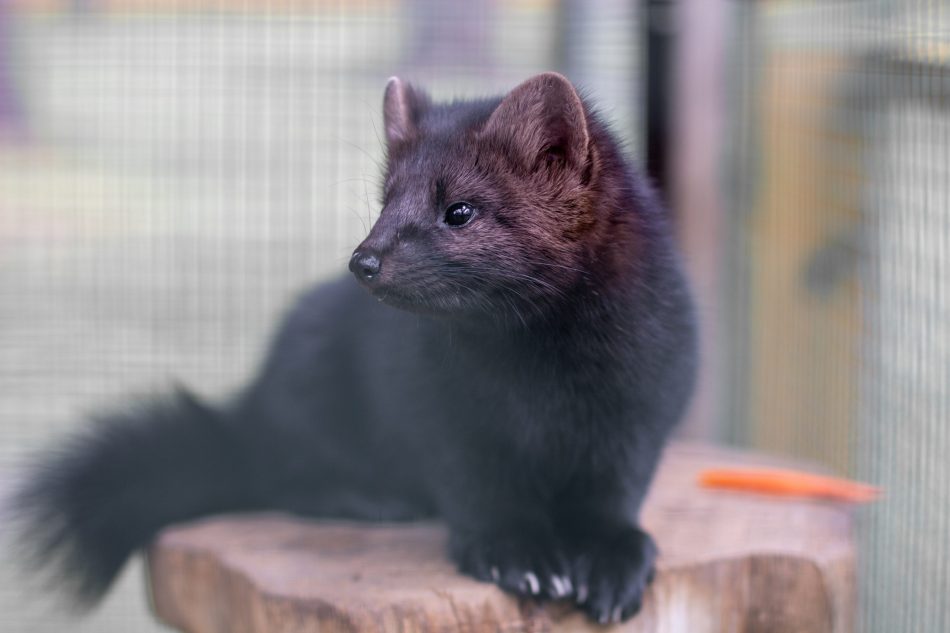
In November, we published a story about the permanent closing of the world’s biggest auction house for real animal fur. Today, we have more bad news for the fur trading industry (and good news for animals) after the country of Hungary placed a new ban on fur farming.
Under the ban, the farming of mink, foxes, polecats, ferrets, and coypu will no longer be tolerated in Hungary. It should be mentioned that Hungary does not currently farm any of the species mentioned above, but that doesn’t mean the ban isn’t important.
“This ban is more than just symbol politics,” says Dr. Joanna Swabe, senior director of public affairs for the Humane Society International/Europe. “There is a very real and present danger that fur farmers from elsewhere in Europe may attempt to move their operations to Hungary and set up shop there.”
While the ban is welcomed by environmentalists, there was a conspicuous omission from the list of animals included in the ban: chinchillas. According to Humane Society International, the region breeds thousands of chinchillas for this purpose.
“For as long as the animal exploitation of fur farming is tolerated, the potential for reservoirs of the animal to human pathogens will persist,” Swabe said. “HSI hopes that the Hungarian government will also consider strengthening its ban by shutting down the country’s chinchilla fur farms too.”
When it comes to chinchillas, we sincerely hope Hungary follows in the footsteps of Serbia, which enforced a fur farm ban in 2019. As a result, the lives of 12,000 chinchillas are spared each year.






