When companies aren’t able to slash the emissions they produce, oftentimes they’ll purchase carbon offsets to fund programs that are directly removing carbon emissions, such as reforestation projects.
Funding such programs help tackle the problem of atmosphere-heating emissions, but it doesn’t help solve other forms of environmental degradation that industrial and agricultural operations can be responsible for. That’s why Australian-based environmental project developer GreenCollar has created a new type of credit system that companies can invest in to tackle a wholly different environmental issue: coral reef degradation.
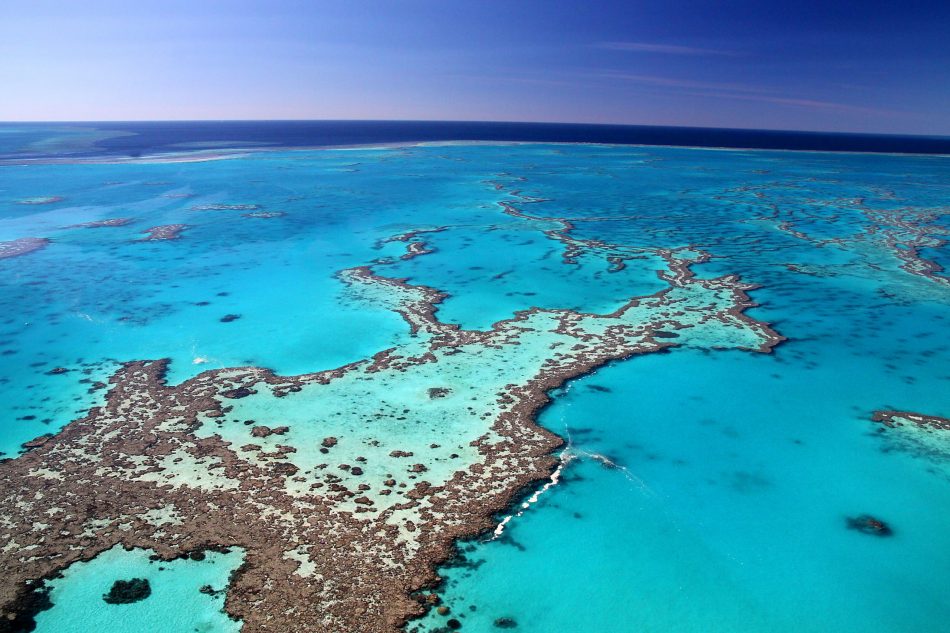
The biggest threat to coral reefs is poor water quality, and when it comes to the water quality of the Great Barrier Reef, it is directly impacted by the agricultural operations taking place along coastal Queensland in Australia. That’s because the agricultural runoff from farms in the area drains directly into the reef, which causes high levels of nitrogen and sediment to seep into the ocean.
Essentially, what GreenCollar has created is a marketplace for “reef credits” that companies can buy to fund projects aimed at improving water quality in the Great Barrier Reef. A farmer, for instance, could buy reef credits that will directly support a project that will remove pollution from the waters surrounding the Great Barrier Reef. Buying one credit is the equivalent of removing one kilogram of nitrogen from the water, or preventing 538 kilograms of sediment from entering the ocean.
Although the ‘reef credit’ system has only just been established, it’s already reeled in a major buyer: the financial services giant HSBC. The firm recently completed its first purchase of reef credits and plans to continue buying them as part of its commitment to reach net-zero in all its operations and supply chain by 2030.