BY THE OPTIMIST DAILY EDITORIAL TEAM
When a cluster of hantavirus cases emerged aboard the M.V. Hondius, a Dutch polar expedition vessel sailing from Argentina toward the Canary Islands, it was the kind of news that triggers comparisons to the early days of COVID-19.
An outbreak on a ship. People confined to cabins. Questions about docking. The World Health Organization is watching closely. But public health officials have been consistent: this is different, in ways that matter.
What happened on the M.V. Hondius
As of May 11, the WHO has confirmed seven Andes hantavirus cases linked to the ship, with two additional suspected cases under investigation. Three people have died. The ship docked in Tenerife in the Canary Islands after being refused permission to dock in Cape Verde, and passengers began disembarking under a coordinated response led by Spanish health authorities and the WHO. Seventeen American passengers, along with one British national living in the United States, were transferred to the University of Nebraska Medical Center’s National Quarantine Unit for evaluation, per the CDC.
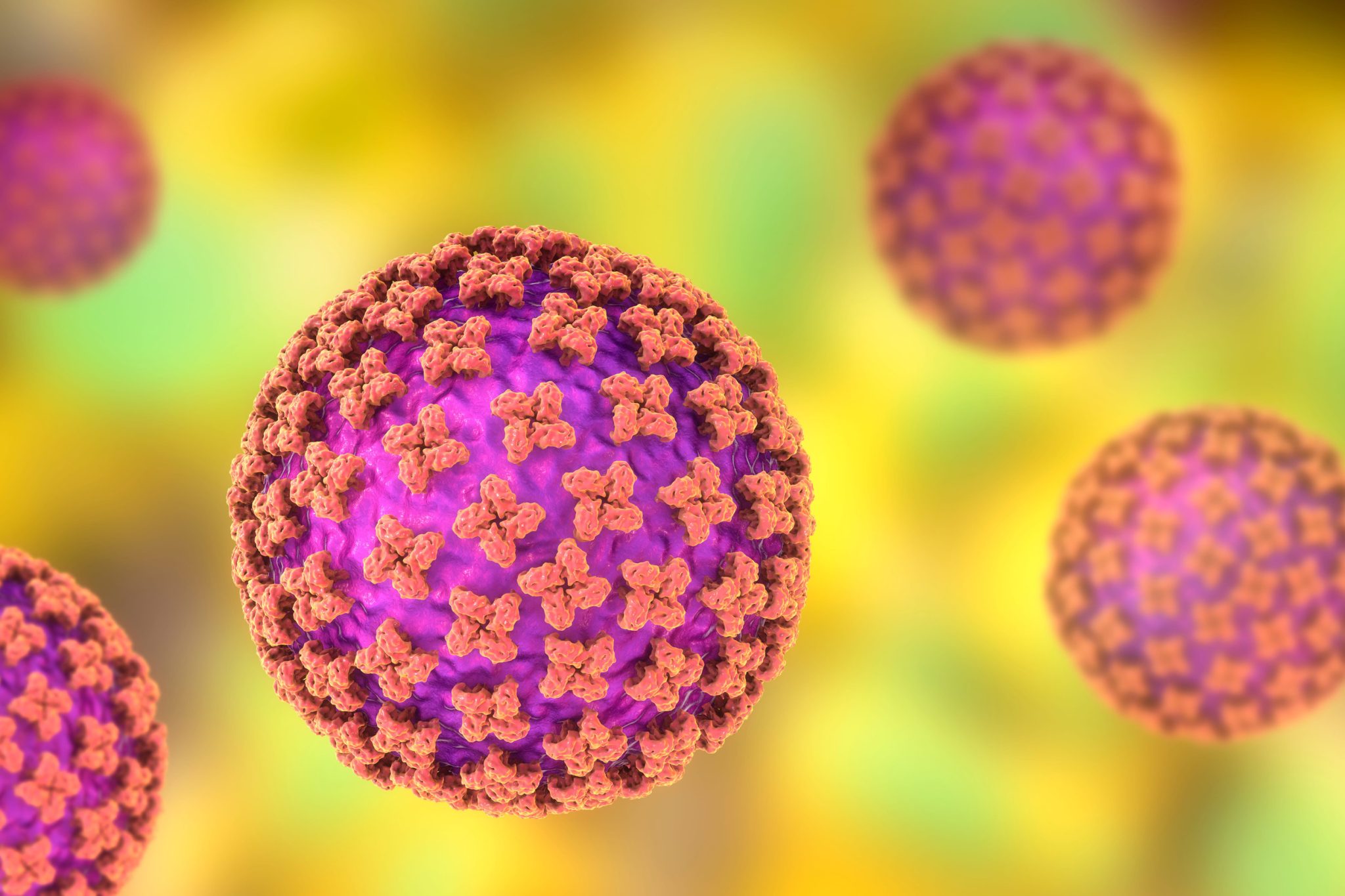
The outbreak involves the Andes strain of hantavirus, the only hantavirus known to transmit between humans.
What hantavirus is and how it normally spreads
Hantaviruses are carried by rodents, which shed the virus in urine, droppings, and saliva without becoming ill. In most cases, a human gets infected by disturbing contaminated materials: sweeping out a barn, entering an infested structure, or handling nesting debris. The virus becomes aerosolized in that moment, and a nearby person inhales it.
More than 40 hantavirus species exist, broadly divided into Old World strains, endemic in Europe and Asia and typically causing kidney and bleeding disorders, and New World strains, more prevalent in the Americas and more likely to cause fluid buildup in the lungs. New World infections carry a higher fatality rate: roughly one to 15 percent for Old World strains, but around half of Hantavirus Pulmonary Syndrome cases in the Americas prove fatal. These numbers, however, come from a very small pool of infections.
In the Americas, only 150 to 300 infections are reported annually in total. The United States sees between 15 and 50 cases per year. The global figure is estimated at 10,000 to 100,000, with the majority in Asia and Europe.
Why the Andes strain is unique, and why it still isn’t easily transmitted
Andes virus is unusual among hantaviruses because it can pass from person to person. Most other strains cannot do this, likely because hantavirus produces very few mature virus particles in infected human tissue, making onward transmission nearly impossible. Andes may be an exception because it appears to resist antiviral components in human saliva that neutralize other strains before they can spread.
But even Andes transmission is not efficient. “It transmits rather poorly,” says Steven Bradfute, an immunologist and hantavirus researcher at the University of New Mexico Health Sciences Center. Spread requires sustained close contact: sharing a bed, sexually intimate partners, sharing food. The Andes virus does not linger in the air after an infected person has left a room.
A 2018 to 2019 outbreak in Argentina illustrates both the risk and its limits: one person contracted the virus from a rodent, transmission moved through close social contacts, and 34 people were ultimately infected before it was contained. That was one of the largest Andes outbreaks on record.
What public health officials are saying
WHO Director-General Tedros Adhanom Ghebreyesus addressed the comparison directly: “This is not another COVID.” Maria van Kerkhove, the WHO’s head of epidemic and pandemic preparedness, assessed the risk to the general public as low.
The reason is transmission biology. Unlike measles or COVID-19, which can spread through air that remains in a room after an infected person has left, Andes requires prolonged, close contact. The outbreak’s scale, even aboard a confined vessel, reflects that ceiling.
The response followed the logic of a contained, manageable cluster: confirmed cases identified, the ship docked under medical supervision, exposed passengers transferred to a specialist quarantine unit. For the people who contracted Andes virus, this is serious. But the question of whether this becomes a broader public health emergency rests on transmission dynamics, and those dynamics, for now, work in the public’s favor.
Did this solution stand out? Share it with a friend or support our mission by becoming an Emissary.