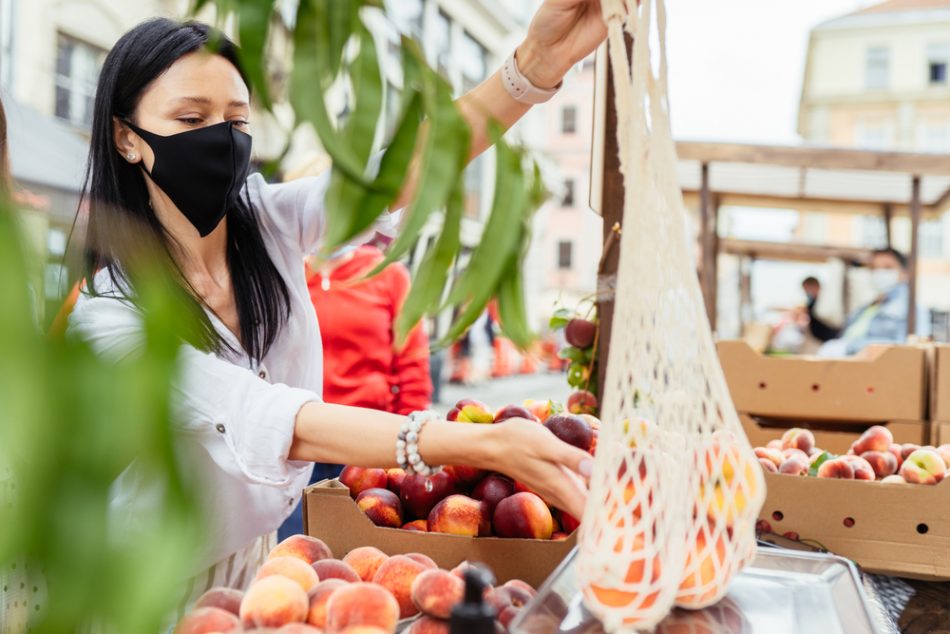
Organic produce is healthier for local ecosystems and also eliminates the potential human health hazards of pesticide ingestion, many of which we don’t know the full extent of. However, buying organic is more expensive and not always available in remote areas. Learning about which fruits and vegetables are most heavily treated with pesticides can help you make budget-friendly decisions about where to splurge on the organic option. Every year, the Environmental Working Group (EWG) analyzes USDA data to release their “dirty dozen” and “clean fifteen” lists to help consumers make more informed produce purchases. They just released their list for 2021, so let’s take a look.
Dirty dozen
- Strawberries
- Spinach
- Kale, collard, and mustard greens
- Nectarines
- Apples
- Grapes
- Cherries
- Peaches
- Pears
- Bell and hot peppers
- Celery
- Tomatoes
To come up with these lists, the EWG sampled 46 of the most popular fruits and vegetables. They washed and peeled them, as you would at home, before testing for pesticides. Those that made the dirty dozen tested highest in both the number of pesticides used and concentration of pesticides on the sample. Conversely, the “clean fifteen” scored lowest in terms of pesticide use and concentration.
Clean Fifteen
- Avocados
- Sweet corn
- Pineapple
- Onions
- Papaya
- Sweet peas (frozen)
- Eggplant
- Asparagus
- Broccoli
- Cabbage
- Kiwi
- Cauliflower
- Mushrooms
- Honeydew melon
- Cantaloupes
Many of these have rinds or skins that protect them from insects and therefore reduce pesticide use, while dirty dozen produce like strawberries and peaches are usually more delicate and exposed.
Although these lists are beneficial in guiding your grocery shopping, the EWG notes that at the end of the day, eating non-organic dirty dozen produce is better than eating no produce at all. Remember to always wash and peel your produce to eliminate pesticide contamination and if you’re interested in how we can make organic produce available for all, check out our articles on regenerative farming and the new Food and Agriculture Climate Alliance.