


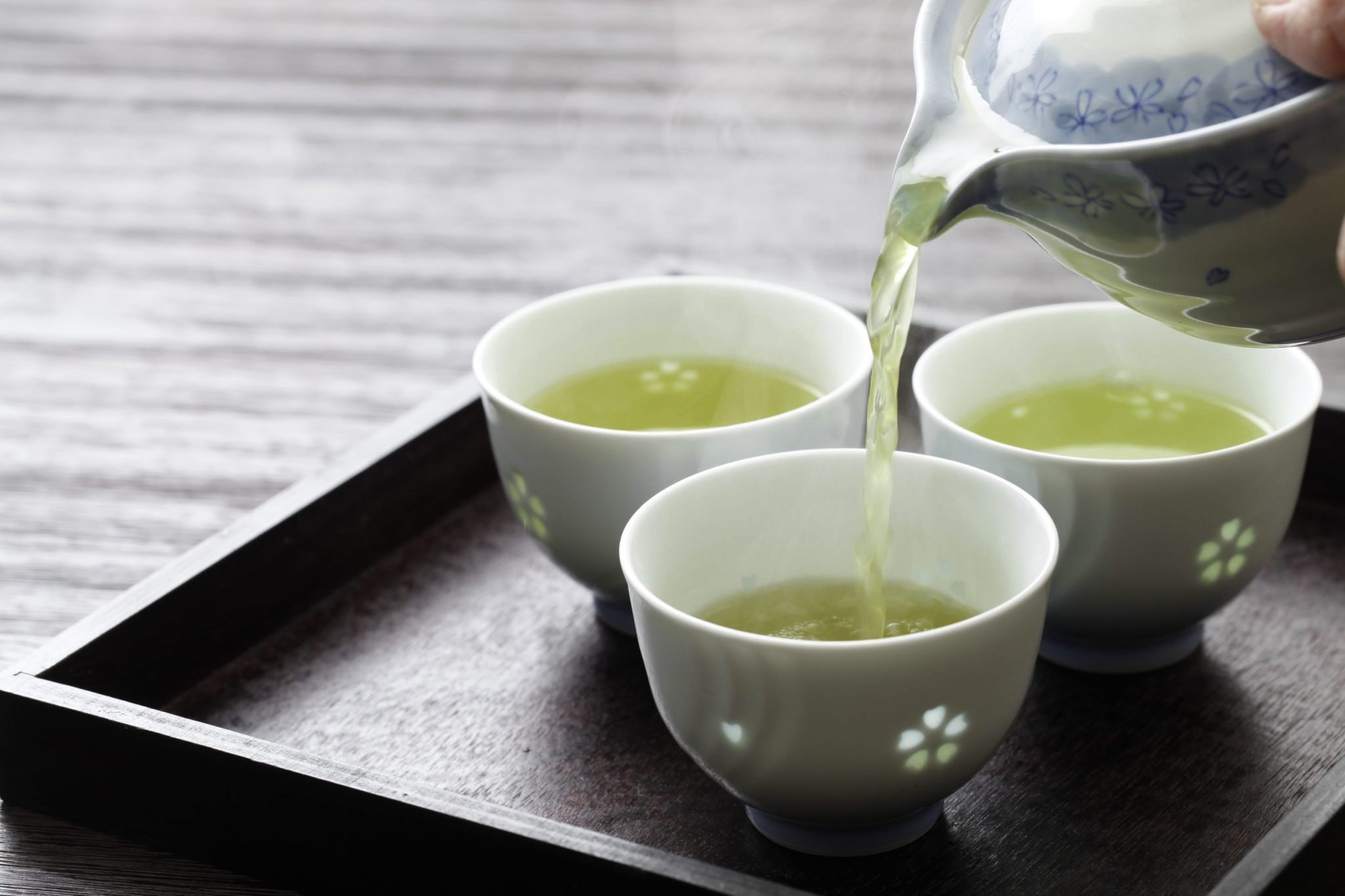
Green tea has been shown to reduce the risks of chronic illness, and it is a common healthy staple in many cultures around the world. Researchers previously thought this tea’s benefits came from its antioxidants, which prevent oxidative stress by capturing free radicals, but a new study from ETH Zurich demonstrates that its health benefits may in fact work differently.
Green tea contains catechins called ECG and EGCG, which belong to a group of polyphenols. This new research demonstrates that rather than preventing oxidative stress, these catechins actually increase oxidative stress in the short term, increasing the defensive capabilities of the body.
“That means green tea polyphenols, or catechins, aren’t in fact antioxidants, but rather pro-oxidants that improve the organism’s ability to defend itself, similar to a vaccination,” study leader Michael Ristow summarized.
These findings are in line with other research which demonstrates that exercise also increases oxidative stress in the short term, preparing the body for future dangers.
Ristow himself drinks green tea every day and says that a regular cup of the steeped tea is enough to provide its positive benefits. Green tea is toxic in high concentrations, so he dissuades individuals from consuming extracts or concentrates.
Source study: Aging – Green tea catechins EGCG and ECG enhance the fitness and lifespan of Caenorhabditis elegans by complex I inhibition






