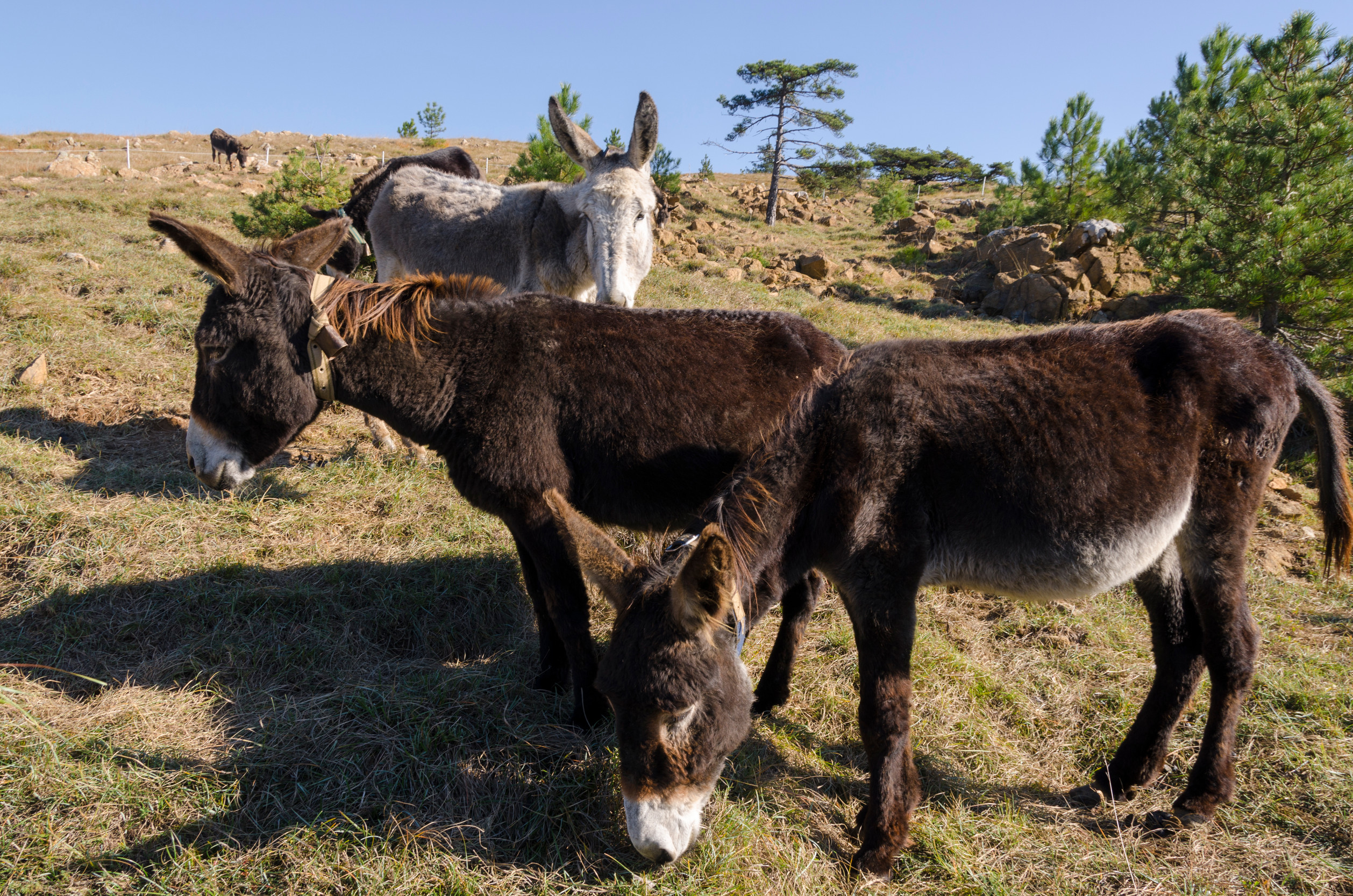
Wild horses and donkeys roaming the American West tend to have an unfavorable reputation among some conservationists, who consider the species as detrimental to ecological balance because they’re not strictly native. This study, however, has found that these equines may be contributing to crucial ecosystem services by digging wells that benefit fellow wildlife.
The paper, published in the journal Science, found that wild horses and donkeys, also known as burros, use their hooves to dig wells more than six feet deep to reach groundwater for themselves, while simultaneously creating oases that serve as a boon to wildlife, including some declining species like elf owls.
The researchers came to this conclusion by setting up camera traps to observe wildlife at four sites in the Sonoran desert, in western Arizona, and at one site in the Mojave Desert near Baker, California. Among the sites, located in seasonal riverbeds, burros regularly visited and dug wells at four, while horses did the same at another. Both species used their front hooves to shovel sand and gravel backward.
After observing the animals over the course of three summers, the scientists discovered that a total of 57 species came to these equine-made wells to quench their thirst: raptors, such as red-tailed hawks and Cooper’s hawks; smaller birds such as yellow warblers and scrub jays; large mammals like mule deer and bighorn sheep; and even Colorado river toads. According to the study, some wells even appeared to serve as nurseries for critical — and dwindling — desert trees including willows and cottonwoods.
The wells they dig transform into “hotbeds of animal activity,” says Erick Lundgren, a researcher at Aarhus University in Denmark and the study’s first author. According to Lundgren, the animals’ behavior is often called “ecosystem engineering,” a phenomenon whereby wildlife alters its environment. A more common example is how beavers make ponds that enhance species diversity, raise the water table, and improve river quality.
This story is part of our Best of 2021 series highlighting our top solutions from the year. Today we’re featuring environmental solutions.