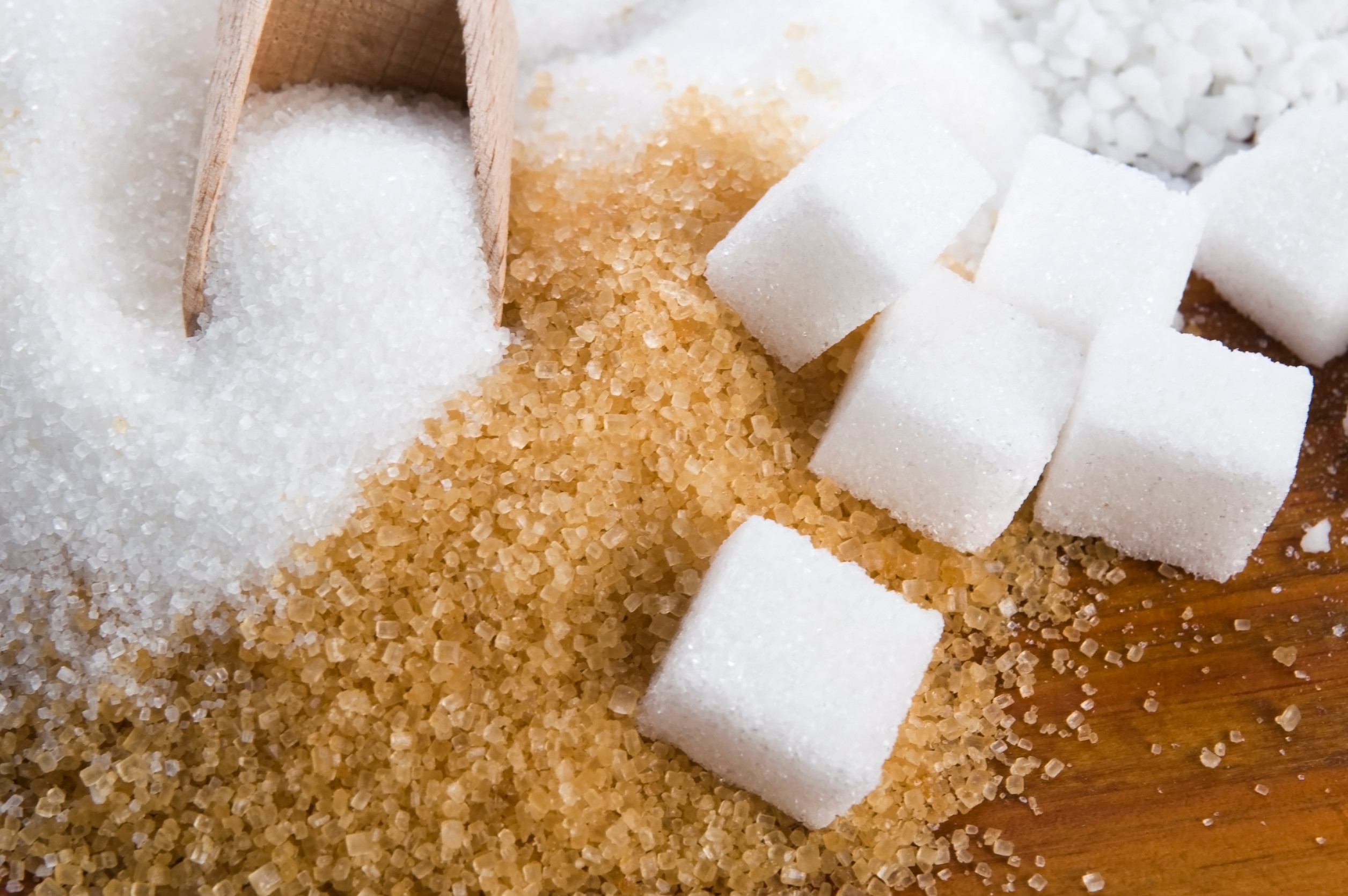
Sugar is vital for humans to survive as fuels us with energy, that’s why mother nature made the sweet treat so delicious! Although, for some members of the human race sugar has been found to supply significantly more health benefits than most.
“Adult Greenlanders with the genetic variation have lower BMI, weight, fat percentage, cholesterol levels and are generally significantly healthier. They have less belly fat and might find it easier to get a six pack,” says University of Copenhagen professor Anders Albrechtsen.
Straight to the gut
So what gives Greenlanders these incredible abilities? A number of institutions across Greenland and Denmark, came together to carry out data analysis of 6,551 adult genes. The results, published in Gastroenterology, identified members of the population carrying a sucrase-isomaltase deficiency. Caused by a genetic variant, the individuals metabolize sugar in an unusual way. Ordinarily sugar is absorbed into the bloodstream, though for these people it heads straight to their intestine.
“Here, gut bacteria convert the sugar into a short-chain fatty acid called acetate, which in previous studies has been shown to reduce appetite, increase metabolism and boost the immune system. That is most likely the mechanism happening here,” explains Mette K. Andersen, first author of the study.
Why do Greenlanders have this gene?
Scientists think due to the Greenlanders historically low sugar diet, the population has never needed to adapt to rapidly absorbing sugar into the bloodstream.
“It is probably due to Greenlanders not having had very much sugar in their diet. For the most part, they have eaten meat and fat from fish, whales, seals, and reindeer. A single crowberry may have crept in here and there, but their diet has had minimal sugar content,” stated Albrechtsen.
Why is this important?
If researchers can understand this deficiency, the hope is a drug can be developed that mimics what is happening in the Greenlander’s bodies. Cardiovascular disease and obesity are some of the leading causes of death in the Western world, therefore harnessing this capability could boost human health profiles.
Source study: Gastroenterology – Loss of sucrase-isomaltase function increases acetate levels and improves metabolic health in Greenlandic cohorts