


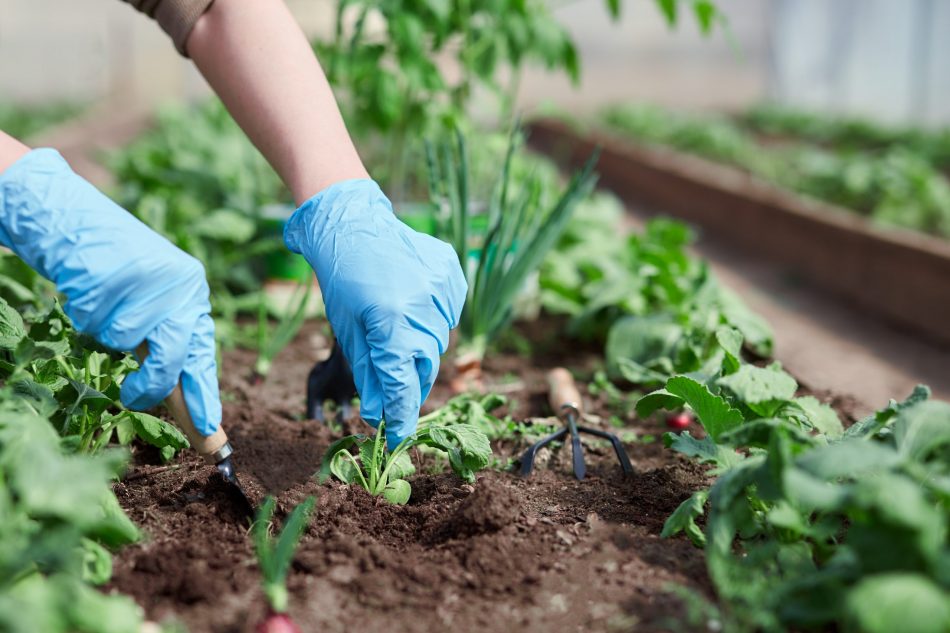
Gardening is a therapeutic and healthy hobby that will get you outdoors after a long winter of lockdown. If you are interested in trying your hand at creating a thriving garden, here are five essential tips that will boost your chances of success.
Choose a variety of seed types and different cultivars.
The first step in boosting your garden’s resilience is establishing rich biodiversity within the system.
This does not mean that you should just choose as many random species of plants as possible to fill your garden. Rather, it’s about increasing beneficial interactions between the plants and animals in your garden’s ecosystem.
The more beneficial interactions within your garden, the more stable it will be. For instance, if you plant only one variety of carrots, then if something goes wrong with the crop, you lose it all. If you plant three varieties of carrots, then you have a better chance of succeeding, and can also see which type works best with the environment you have. Check out our guide to companion planting for more details.
Don’t focus exclusively on annuals.
Beginner gardeners often turn their attention to cultivating a vegetable plot with common annual or biennial crops, but this is actually very labor-intensive, and things often go wrong.
Instead, try growing perennial fruit trees, fruiting shrubs, and perennial vegetables and herbs. Forest gardens tend to be a lot less work once the garden is established and will offer a more diverse harvest.
Stagger sowings, especially early in the season.
Timing is key when it comes to growing crops, especially when attempting to plant early in the season when the weather can be quite unpredictable. For this reason, it’s important to not plant everything all at once to maximize your chances of success. Plus, if a late frost suddenly eliminates what you’ve sown on the first round, you’ll still have time to replace them.
Consider growing undercover and outside.
As the effects of climate change grow more and more extreme, accurately predicting weather events becomes increasingly difficult. Temperatures are taking a surprising dip below freezing even if there had been warm balmy days just beforehand. Premature rainfall or unseasonable heat can mean big losses for your garden. To minimize the damage of erratic weather events, consider growing some crops undercover.
Have back-ups and build resilience.
A wise gardener will make sure that every element in their garden has multiple functions instead of just one, and each purpose is served by more than one element.
For example, if you rely on a municipal water supply to water your garden, then be sure to harvest some rainwater just in case the city has to turn off the water for whatever reason.






