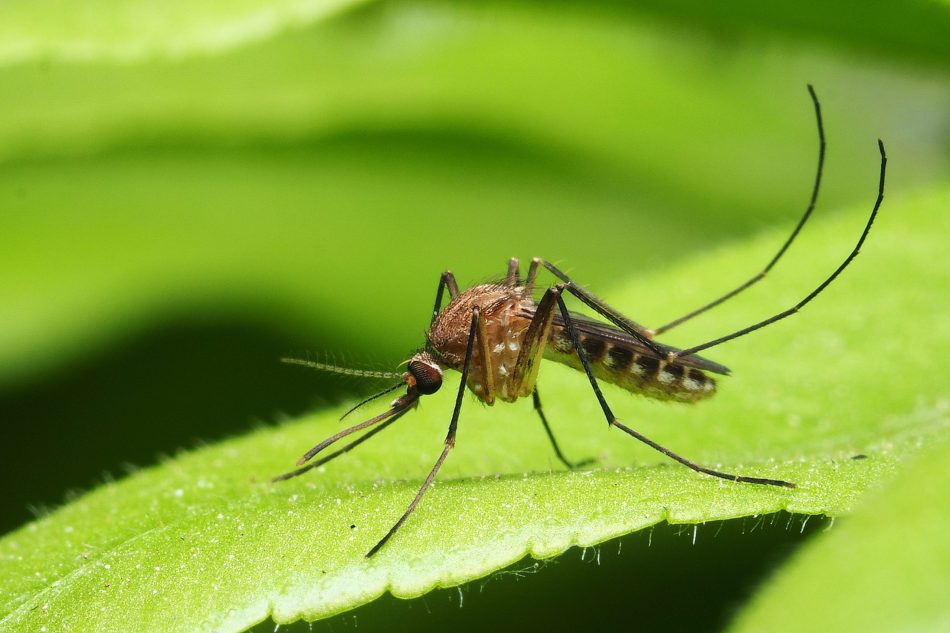
With the variabled future of weather in an ever-changing climate, the prevalence of mosquitoes is expected to increase or at least become more unpredictable. This is expected to exacerbate the spread of certain diseases, like malaria and dengue fever. In places like Sri Lanka, this represents a top public health concern, and managing mosquito populations are proven to be the most effective method of preventing disease.
Luckily, researchers from New York University have identified three factors that help predict mosquito population growth. This can help at-risk countries fight the spread of diseases like dengue fever.
Getting ahead of the spread
Researchers looked at the prevalence of mosquitoes in Kalutara, a southeastern region of Sri Lanka where dengue fever has a high recurrence and spread. They particularly looked at the effects of weather on the Aedes mosquito, the species that spread the disease. They measured rainfall, temperature, and the Oceanic Niño Index (which measures whether ocean water is warmer or cooler than average) from 2010 to 2018.
“Dengue transmission is expected to intensify due to climate change. If we can use climate and weather data to predict seasonal patterns of mosquitos, this timely information would allow public health authorities to proactively manage mosquito control operations,” says Yesim Tozan, assistant professor of global health at the New York University School of Global Public Health, and author of the study in The Lancet Planetary Health.
They found that all three of these factors predicted mosquito activity. Although, these factors had varying times of effectiveness. High rainfall created sitting water for mosquitoes to breed within the same month while hotter temperatures created a higher prevalence up to two months later. The hotter ocean temperature predicted higher mosquito prevalence up to six months later.
Even though these factors have a wide disparity, the specific timetable they all provide helps alert countries like Sri Lanka to upcoming mosquito booms. This gives them time to prepare, and this helps slow the spread of dengue.
“Tracking El Niño events has the added advantage of predicting the seasonal prevalence of Aedes mosquitoes with a lead time of six months, which could provide opportunities to issue early warnings on mosquito prevalence for the entire dengue season,” Tozan says.
Source Study: The Lancet Planetary Health — Effect of El Niño–Southern Oscillation and local weather on Aedes vector activity from 2010 to 2018 in Kalutara district, Sri Lanka: a two-stage hierarchical analysis – The Lancet Planetary Health