


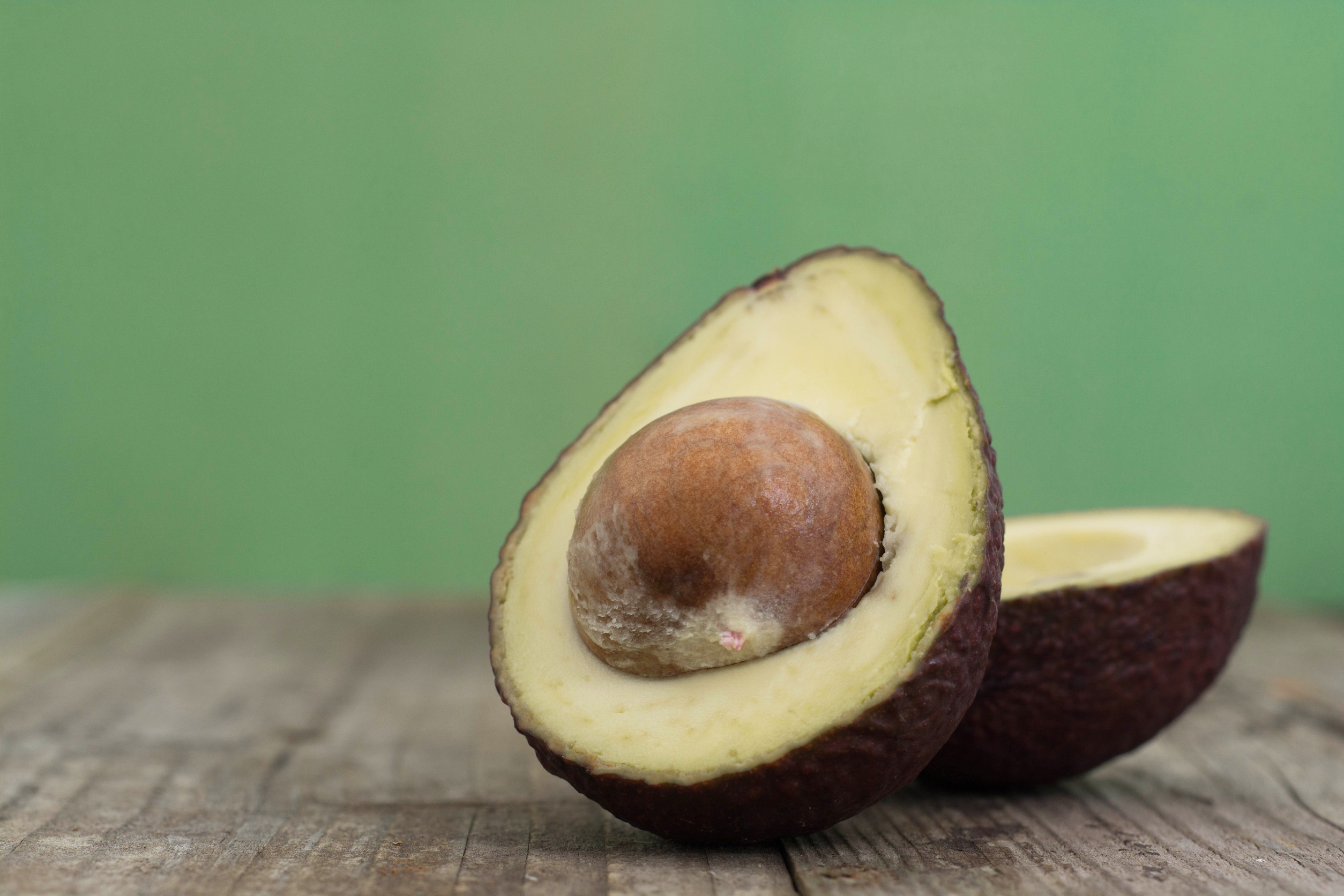
Avocados in the prime of their lives only last for what seems like a bat of an eyelash before their once vibrant, appetizing green turns into a sad, sick-looking brown. Don’t fret, though! Even though brown avocados are inevitable, there are a few easy tricks to help prolong the freshness.
Here are five methods for you to try at home.
Keep the pit inside of the avocado
The reason behind the darkening of the flesh of the avocado is exposure to oxygen, so keeping the pit inside while storing it may protect the area that is in direct contact with it, but it won’t prevent the rest of the exposed surface from browning. This method, though fairly popular, will only work for a short while.
Store the cut avocado in water
One way to create a barrier between exposed avocado and oxygen is to submerge the avocado in water. To store a halved avocado with the skin still on, fill a container with an inch and a half of cool water and place the avocado in it with the exposed area directly into the water. Store it, uncovered, in the refrigerator and the avocado should maintain most of its color for the first couple of days, though it may get a bit mushy from being submerged.
Tightly wrap the surface of the avocado with cling wrap
This timeless classic will keep the oxygen exposure to a minimum, but the tricky bit is getting the clingwrap to stick to the soft surface of the avocado without creating gaps or air pockets. That said, this method is successful in keeping guacamole fresh for longer. To preserve your guac, gently press the clingwrap down onto the surface of the container to remove the air. This will keep your guacamole green for up to two days.
Store your avocado with a few slices of onion
Onion releases sulfur compounds that act as a natural preservative, which will help keep your exposed avocado fresh for longer (around two days). This method requires you to keep your avocado open side up over a few pieces of sliced onion in an airtight, sealed container. While this is an effective way, we suggest skipping it if you plan to use the avocado in a dessert or a smoothie.
Use lemon or lime juice to create a barrier
The most effective way to keep your avocados from browning is to add a squeeze of lemon to the exposed area. To make this method even more successful, store the fruit so that it’s completely covered, reducing its exposure to oxygen. The vitamin C in citrus helps create a barrier against oxygen and slows oxidation. This method will prevent browning for at least a few days. Your avocados will have a slightly tangy flavor, but this is a foolproof way to keep your avocados green for at least a couple of days.
How to encourage your avocados to ripen
Here’s a bonus tip! If you find that all your avocados are hard as rocks, then wrap them in a few sheets of newspaper to speed up the ripening process. You can also try putting them in a paper bag and leaving them in a warm environment to quicken the softening process.
Also, if you place avocados close to other fruits such as bananas or apples, the avocado will get ripe faster due to the ethylene that these fruits emit.






