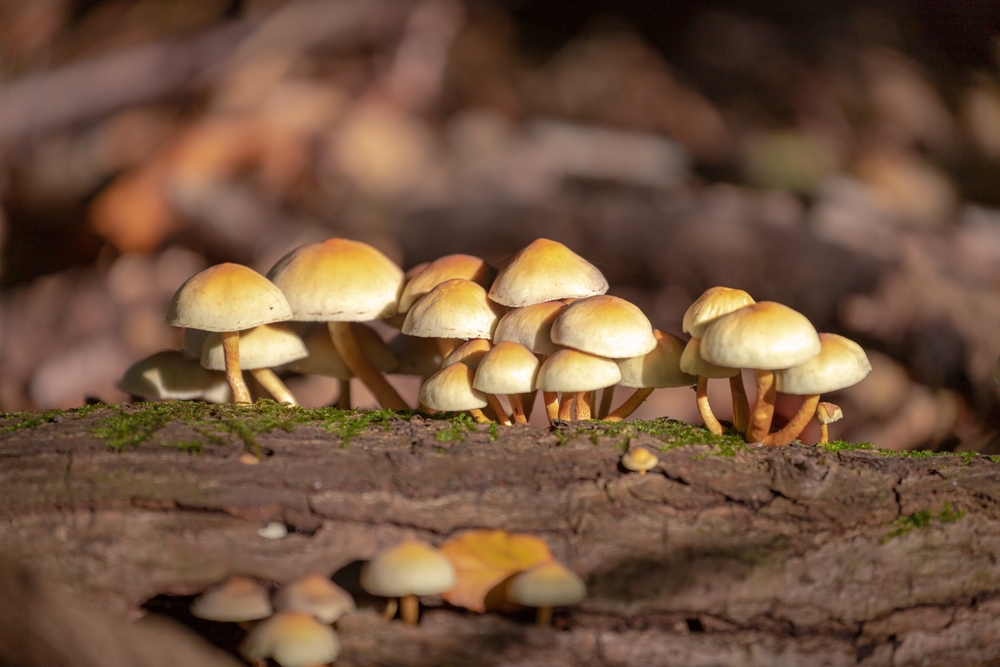
The United Nations Convention on Biological Diversity (UNCBD) argued for the inclusion of fungi in conservation debates alongside flora and fauna so that fungi are “recognized and protected on an equal footing with animals and plants in legal conservation frameworks”. This shift in perspective highlights the critical role that fungi play in ecosystem health and invites a much-needed reevaluation of existing conservation paradigms.
Funga in conservation discourse: Adding to the lexicon
The UNCBD’s call to include “funga” in biodiversity discussions signals a watershed moment in our understanding of the natural world. This word, invented by Latin American mycologists, accurately describes the variety of fungi found in varied habitats. Similarly to how “flora and fauna” relate to plants and animals, “funga” refers to the complex network of fungi that contribute to ecosystem vitality. This linguistic change has a strong emotional resonance since it elevates fungus to the same degree of importance as its more visible counterparts.
Influencing policy with mycologically inclusive language
The use of the term “funga” by government organizations in nations such as Australia, Brazil, and Iceland demonstrates a growing appreciation for the importance of fungus. The term transcends language; it represents a radical shift in viewpoint that recognizes fungi’s hidden but tremendous influence on Earth’s interwoven network of life. Giuliana Furci, Chief Executive of the Fungi Foundation, emphasizes the power of language as a catalyst for change: “Through language, we can trigger change… If we concentrate on fungal conservation, we can protect whole habitats.” This demonstrates the impact of recognizing fungi’s function on policy decisions and conservation initiatives.
Unsung heroes: Fungi’s essential role in ecosystems
The phrase “fauna, flora, and funga” embodies a comprehensive concept of biodiversity that emphasizes fungi’s indivisible role in life’s survival. According to biologist and author Merlin Sheldrake, “accounts of the living world that do not include fungi are accounts of a world that doesn’t exist.” Fungi, frequently found beneath the surface, produce extensive mycelial networks that connect plants and allow for nutrition exchange. This symbiotic relationship is critical for ecosystem health, making fungus protection an essential component of overall conservation measures.
The introduction of “funga” in the conservation lexicon symbolizes a watershed moment in realizing the interconnection of all life forms. We acknowledge the delicate role fungi play in preserving environmental stability by using mycologically inclusive language. As we continue to delve further into the complexity of fungal life, we uncover the unsung heroes who keep our planet running. It’s time to take a broader strategy that protects not only flora and animals but also the often-overlooked realm of funga.