


“Names have power, and power can be for the good or it can be for the bad,” says Colleen Handel, President of the American Ornithological Society. This power is driving a radical movement to revise the English names of all bird species named after people, as well as to erase any names deemed offensive or exclusionary.
The initiative is part of a larger attempt to diversify birding and make it more accessible to individuals of all backgrounds. It is about breaking down barriers and making everyone feel welcome in the world of birds.
Reimagining bird names
The effort, which is expected to begin next year, will initially focus on renaming 70 to 80 bird species found largely in the United States and Canada, accounting for approximately six to seven percent of all species in this region.
While long-time birders may be attached to familiar names, there is an overarching acceptance that change is essential. “It’s going to feel like a bother to some people,” says Kenn Kaufman, a notable author of field guides, “but I think it’s actually an exciting opportunity.” It’s an opportunity to honor these birds rather than continue to name them after historical persons.
Diverse birding: a daring step forward
The American Ornithological Society holds authority not only over English names for North American birds, but also over Latin American bird names. While there are plans for Latin American name modifications, the society is devoted to collaborating with ornithologists and organizations in Latin America.
Groups such as Bird Names for Birds brought to light the fact that certain names have harmful or negative implications. Their efforts resulted in a fundamental shift in how bird names are regarded. This was exemplified in 2021 when the society formally renamed a bird historically linked with a Confederate General. The bird’s name was changed to “Thick-billed Longspur” when the society changed its naming standards to reflect social justice issues.
Redefining tradition: a new way to celebrate birds
Renaming a few birds was one thing, but changing the names of a whole flock was a more difficult challenge. The choice to engage in this undertaking was not taken lightly, and a wide collection of experts was involved.
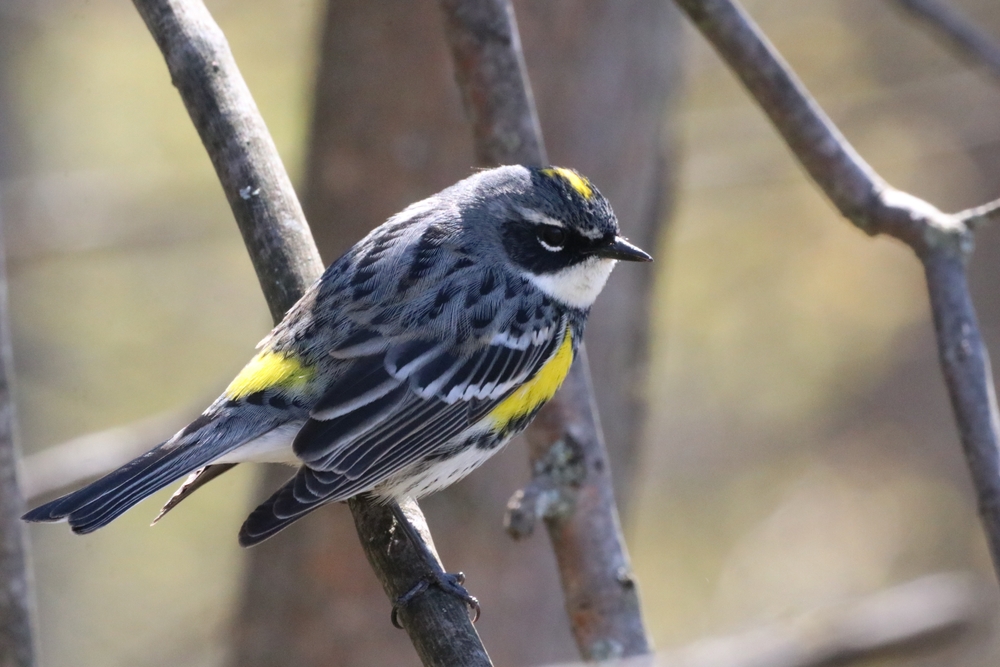
The final goal is to showcase the birds’ distinctive qualities in order to honor them. Instead of “Wilson’s warbler,” names like “Yellow Warbler” or “Golden Winged Warbler” are more descriptive and informative.
The committee’s co-chair, Erica Nol, a biologist at Trent University in Canada, recognizes the significance of this move. She observes that names are important to people, particularly those who observe birds and those who desire inclusivity in the birding world.
“Names are important for humans,” says Kenn Kaufman. “And this is absolutely a human-driven exercise.” It’s a work in progress, but it holds the promise of a more diversified and welcoming birding world for everybody.






