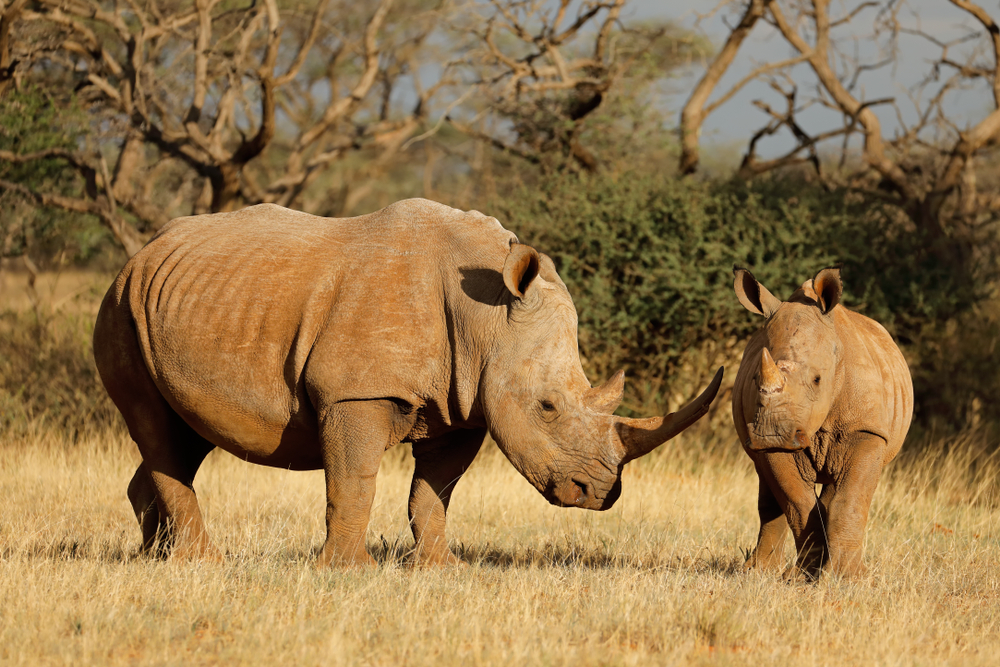
Donovan Jooste, a passionate conservationist, witnessed a stunning spectacle in the South African grasslands: approximately 2,000 southern white rhinos congregating on a farm in the North West region. This astonishing gathering represents an astounding 12 to 15 percent of Africa’s remaining rhino population, outnumbering any single nature sanctuary on the continent.
“It’s an awe-inspiring sight,” Jooste says, as he considers the size of this confined society. “But the true excitement lies in the conservation opportunity. How can we transition these rhinos from their current captive setting to secure, open habitats?”
From captivity to conservation
The acquisition of Platinum Rhino, the world’s largest private rhino-breeding facility, by African Parks in September represented a watershed event in the care of this captive rhino community. The origins of this farm, whether spurred by conservation or economic objectives, arose amid ambiguities due to the ongoing worldwide prohibition on rhino horn trade, which was founded by John Hume in 1992.
“The vulnerability of these rhinos would’ve been magnified,” Jooste says, emphasizing the dire situation. The assistance of African Parks was critical in securing the farm, rhinos, and a varied diversity of animals. The ambitious plan calls for the abolition of active breeding and the relocation of all 2,000 rhinos and their progeny to protected African areas over the next decade, marking a huge step toward assuring the species’ survival.
A species’ rebound and the peril of poaching
Mike Knight emphasizes the rhinos’ ecological and economic importance, underlining their astonishing recovery. Despite being on the verge of extinction due to colonial hunters, southern white rhino numbers have rebounded to 16,803, indicating a promising future.
However, poaching remains a persistent problem, with at least 551 rhinos poached in Africa in 2022, providing a continuing threat to their survival.
A journey of restoration
The farm’s care is expensive, with strict security measures in place to prevent poaching. The upcoming translocation, which is set to begin next year, intends to relocate a considerable number within South Africa while taking precautions to alleviate current poaching concerns.
The delicate procedure of transferring these rhinos is fraught with logistical and financial challenges. Climate change and potential disease threats in new areas highlight the complexities of this massive conservation effort.
Anticipating positive ecological impact
Jooste anticipates rhinos being reintroduced across vast ecosystems, stressing their unrivaled ecological contributions. “The ecological value they bring is immeasurable,” he asserts, predicting a positive ripple effect on protected regions.
In closing, Jooste passionately expresses his aspiration, saying, “In two decades, let’s not discuss 16,000 rhinos, but aim for 25,000, 40,000, 50,000 rhinos. That’s our ultimate goal: to never witness such dire rhino scarcity again.”
This program holds the prospect of not only protecting an important species but also reviving their presence across the African environment, demonstrating humanity’s extraordinary dedication to conservation.